

Have you ever wondered why your dog is always by your side? This behavior is not just a sign of affection; it’s rooted in their natural instincts. Dogs are pack animals, and they consider their owners part of their pack.
In the wild, pack members stay together for protection and companionship. Similarly, your dog follows you around the house because they feel safe and comfortable with you. Understanding this behavior can strengthen your bond with your pet.
Key Takeaways
- Dogs follow their owners due to their pack mentality.
- This behavior is a sign of affection and trust.
- Understanding canine behavior can improve your relationship with your dog.
- Dogs feel safe and protected when they’re with their owners.
- Recognizing the reasons behind your dog’s behavior can enhance your bond.
The Natural Instincts Behind Your Dog’s Shadow Behavior
Understanding why dogs follow their owners everywhere requires a look into their evolutionary history and pack mentality. Dogs have evolved from wild canines that lived in packs, and this heritage continues to influence their behavior today.
Evolutionary Pack Mentality
The concept of a pack is central to understanding canine behavior. In the wild, canines form packs with a hierarchical structure, led by an alpha pair. This pack mentality is still present in domestic dogs, who often view their human family as their pack.
From Wolves to Domestic Dogs: The Pack Instinct
The transition from wild wolves to domestic dogs has not erased the instinctual behaviors associated with pack dynamics. Dogs may follow their owners due to an innate desire to stay with their pack, ensuring safety and unity. This behavior is a testament to their loyalty and social bonding capabilities.
Survival Instincts in Modern Canines
Despite being domesticated, dogs retain many survival instincts from their wild ancestors. Following their owners can be a way for dogs to ensure their safety and security, as they rely on humans for food and protection. This behavior is a manifestation of their survival instincts, adapted to a domestic environment.
Resource Protection and Security Behaviors
Dogs may also follow their owners as a form of resource protection, guarding their human companions whom they perceive as valuable resources. This behavior contributes to their sense of security and is linked to their protective instincts. Effective dog obedience training can help manage these behaviors, ensuring a balanced relationship between dog and owner.
By understanding these natural instincts, dog owners can better appreciate their dog’s behavior and implement appropriate canine behavior modification techniques when necessary.
Understanding the “My Dog Follow Me” Phenomenon
Understanding why dogs follow their owners everywhere requires delving into their natural instincts and social structures. Dogs are pack animals, and their behavior is influenced by their evolutionary history and the social hierarchy within their packs.
Canine Social Structure and Family Hierarchy
Dogs are inherently social creatures that thrive in a hierarchical structure. In a domestic setting, they often view their human family as part of their pack. This perception is crucial in understanding why dogs follow their owners. The pack mentality dictates that members stay together for protection and survival. In a human family, the dog sees itself as a subordinate member, often looking to the owners for guidance and protection.
The social structure within a dog’s pack is complex, with dominant and submissive roles. Dogs may follow their owners due to their instinct to stay close to the pack leader. This behavior is a remnant of their wild ancestors, who stayed together for survival.
The Human-Canine Bond from Your Dog’s Perspective
Dogs form strong emotional bonds with their human family members. From a dog’s perspective, their human family is their pack, and they derive a sense of security and comfort from being close to them.
How Dogs Perceive Their Human Family Members
Dogs perceive their human family members as pack leaders or caregivers. They look to their owners for food, shelter, and affection, strengthening their bond. This perception is vital in understanding why dogs often follow their owners everywhere, as they seek companionship and reassurance.
The bond between a dog and its owner is built on trust, affection, and loyalty. Dogs are highly attuned to their owners’ emotions and behaviors, often responding to their moods and actions.
Breed-Specific Following Tendencies
Different breeds exhibit varying levels of following behavior. Some breeds, such as the Labrador Retriever and Golden Retriever, are known for their loyal and clingy nature. Other breeds might be more independent.
| Breed | Following Tendency | Reason |
|---|---|---|
| Labrador Retriever | High | Known for loyalty and affection towards their family. |
| German Shepherd | High | Often serves as a guard dog, naturally protective of its family. |
| Husky | Moderate | More independent but still enjoys human companionship. |
Understanding breed-specific tendencies can help owners tailor their approach to their dog’s needs, fostering a stronger and more balanced bond.
By recognizing the factors that influence a dog’s following behavior, owners can take steps to teach their dog to stay close when appropriate, while also respecting their need for independence.
The Psychology of Emotional Attachment in Dogs
Understanding why dogs follow us everywhere involves delving into the psychology of emotional attachment. Dogs have evolved to become integral members of human families, and their emotional bond with us is a complex phenomenon that has been studied extensively in recent years.
The emotional attachment between dogs and their owners is not just about loyalty; it’s a multifaceted psychological connection that influences both species. This attachment is rooted in the dog’s ability to form close bonds with their human caregivers, often mirroring the attachment styles seen in human relationships.
The Science Behind Dog-Human Attachment
Research into dog-human attachment has shown that dogs exhibit behaviors similar to those of children in their attachment to caregivers. This includes seeking proximity, showing distress when separated, and using their owners as a secure base from which to explore their environment. Studies have also identified that oxytocin, often referred to as the “love hormone,” plays a significant role in dog-human bonding, similar to its role in human maternal bonding.
Signs of Healthy Attachment vs. Unhealthy Dependency
Healthy attachment in dogs is characterized by a balance between closeness and independence. Dogs that are securely attached to their owners can be calm and relaxed when alone and greet their owners warmly upon return. In contrast, unhealthy dependency can manifest as separation anxiety, destructive behavior when left alone, or excessive clinginess.
| Signs | Healthy Attachment | Unhealthy Dependency |
|---|---|---|
| Separation Behavior | Calm, relaxed when alone | Anxious, destructive |
| Greeting Behavior | Warm, calm greeting | Overly excited, clingy |
How to Bond with Your Dog in a Balanced Way
Bonding with your dog in a balanced way involves spending quality time together, engaging in activities that promote mutual understanding and respect. Positive reinforcement training is a valuable tool in this process, as it encourages good behavior and strengthens the bond between dog and owner without fostering dependency.
By understanding the psychology behind dog-human attachment and recognizing the signs of healthy versus unhealthy attachment, dog owners can foster a more balanced and fulfilling relationship with their canine companions.
Anxiety and Insecurity: When Following Becomes Excessive
Excessive following in dogs can be a concerning behavior for many pet owners, often stemming from anxiety or insecurity. While it’s natural for dogs to follow their owners, an excessive level of this behavior can indicate underlying issues that need to be addressed.
Recognizing Separation Anxiety in Your Dog
Separation anxiety is a common issue in dogs, characterized by distress when left alone. Recognizing the signs is crucial for addressing the problem.
Physical and Behavioral Symptoms to Watch For
Dogs suffering from separation anxiety may exhibit various physical and behavioral symptoms, including:
- Destructive behavior when left alone
- Excessive barking or howling
- Pacing or restlessness
- Escaping or attempting to escape
- Urination or defecation in the house
Environmental Triggers That Increase Following Behavior
Various environmental factors can trigger or increase following behavior in dogs. These include changes in the household, such as moving to a new home, changes in work schedules, or even rearranging furniture. Understanding these triggers can help in mitigating excessive following.
Common environmental triggers include:
- Changes in household dynamics
- Loud noises or stressful events
- Lack of mental and physical stimulation
The Difference Between Comfort-Seeking and Anxiety
It’s essential to differentiate between comfort-seeking behavior and anxiety-driven following. While comfort-seeking is a natural behavior where dogs seek reassurance, anxiety-driven following is often accompanied by other signs of distress.
Key differences include:
- Context: Comfort-seeking often occurs in familiar environments, while anxiety can be triggered by various factors.
- Behavioral cues: Anxiety-driven following is often accompanied by other anxious behaviors.
Understanding the difference between comfort-seeking and anxiety-driven behavior is crucial for developing an appropriate response to your dog’s needs. By recognizing the signs and addressing the root causes, you can help your dog feel more secure and reduce excessive following.
Effective Dog Obedience Training for Following Behaviors
To address your dog’s constant following, it’s essential to implement effective obedience training strategies. Dog obedience training not only helps in managing your dog’s behavior but also strengthens the bond between you and your pet.
Basic Training Principles for Creating Boundaries
Establishing clear boundaries is crucial in dog training. It involves setting rules and consistently enforcing them. Consistency is key to helping your dog understand what is expected of them.
- Set clear rules and boundaries.
- Use consistent commands and hand signals.
- Ensure all family members are on the same page regarding training.
Positive Reinforcement Methods for Independence
Positive reinforcement is a powerful training method that encourages good behavior by rewarding your dog. This approach helps in building trust and promoting independence.
Reward-Based Training Techniques
Reward-based training involves giving your dog treats, praise, or playtime when they exhibit desired behaviors. This method is effective in teaching your dog to stay calm and relaxed when you’re not directly interacting with them.
| Training Technique | Description | Benefits |
|---|---|---|
| Clicker Training | Using a clicker to mark desired behavior, followed by a reward. | Precise, efficient, and promotes quick learning. |
| Treat Training | Using treats to lure your dog into desired positions or behaviors. | Encourages good behavior, builds trust. |
| Praise Training | Verbal praise and affection to reinforce good behavior. | Builds confidence, strengthens bond. |
Consistency and Patience in Behavior Modification
Consistency and patience are vital components of successful dog training. Changing behavior takes time, and it’s crucial to remain patient and consistent in your training approach.
By combining these training principles and methods, you can effectively manage your dog’s following behavior and promote a healthier, more balanced relationship.
Medical and Age-Related Reasons for Clingy Behavior
While many dog owners cherish the affectionate nature of their pets, excessive clinginess can sometimes indicate underlying medical issues. It’s essential to understand that a dog’s behavior can be influenced by its health and age.
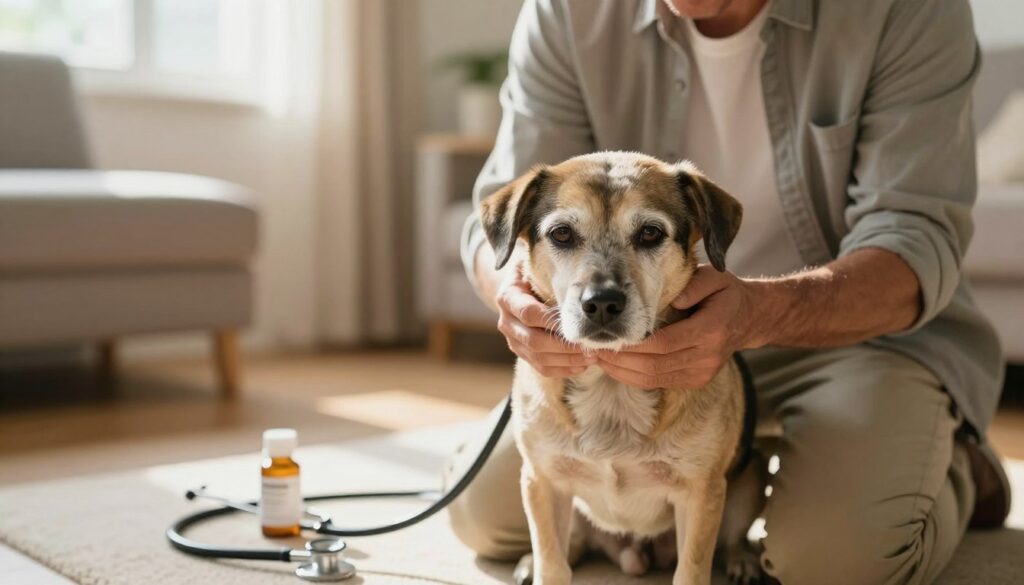
Health Conditions That May Cause Increased Following
Certain health conditions can cause a dog to become more clingy or follow its owner more closely. For instance, dogs experiencing pain or discomfort due to arthritis, dental issues, or other chronic conditions may seek more comfort and security from their owners. Additionally, dogs with sensory impairments, such as hearing or vision loss, may become more attached as they rely more heavily on their owners for navigation and reassurance.
Common health issues that may contribute to clingy behavior include:
- Chronic pain
- Sensory impairments
- Cognitive dysfunction
- Anxiety disorders
Age-Related Changes in Dog Attachment Behaviors
As dogs age, their attachment behaviors can change. Older dogs may become more clingy due to declining health or cognitive function. Cognitive dysfunction syndrome, similar to Alzheimer’s disease in humans, can cause confusion and anxiety, leading to increased following behavior.
When to Consult a Veterinarian About Following Behavior
If you notice a sudden change in your dog’s following behavior, it’s crucial to consult with a veterinarian. They can help determine if there’s an underlying medical issue that needs to be addressed. Additionally, if your dog’s clinginess is accompanied by other signs of illness or distress, such as changes in appetite, vomiting, or lethargy, seeking veterinary advice is paramount.
By understanding the potential medical and age-related reasons for your dog’s clingy behavior, you can take appropriate steps to ensure their health and well-being, while also maintaining a balanced and loving relationship with your pet.
The Benefits of Having a Velcro Dog
The phenomenon of having a “Velcro dog” is not just endearing but also comes with several benefits. Dogs that follow their owners everywhere can bring numerous advantages to their lives.
One of the primary benefits is the enhanced security and protection they offer.
Enhanced Security and Protection for Your Home
A dog that is constantly by your side can serve as an effective deterrent to potential intruders. Their presence can enhance home security and provide an added layer of protection.
Moreover, dogs have a keen sense of smell and hearing, which can alert you to potential dangers.
Emotional Support and Mental Health Benefits
Having a “Velcro dog” can also have significant emotional and mental health benefits. The close bond between a dog and its owner can lead to reduced stress levels and improved mental well-being.
Dogs provide companionship and emotional support, which can be particularly beneficial for individuals dealing with mental health issues.
Physical Health Advantages of Close Human-Dog Bonds
The close relationship between a dog and its owner can also have physical health advantages. Studies have shown that dog owners tend to have lower blood pressure and cholesterol levels.
Furthermore, having a dog can encourage a more active lifestyle, as dogs require regular exercise, which can contribute to overall physical health.
By understanding and embracing the benefits of having a “Velcro dog,” owners can foster a more rewarding and healthy relationship with their canine companions.
Teaching Your Dog Independence While Maintaining Connection
Teaching your dog to be independent doesn’t mean you’re disconnecting; it means you’re building trust. A dog that can confidently spend time alone or engage in activities without you is a dog that’s secure in their environment. This independence is crucial for reducing separation anxiety and preventing over-dependence on the owner.
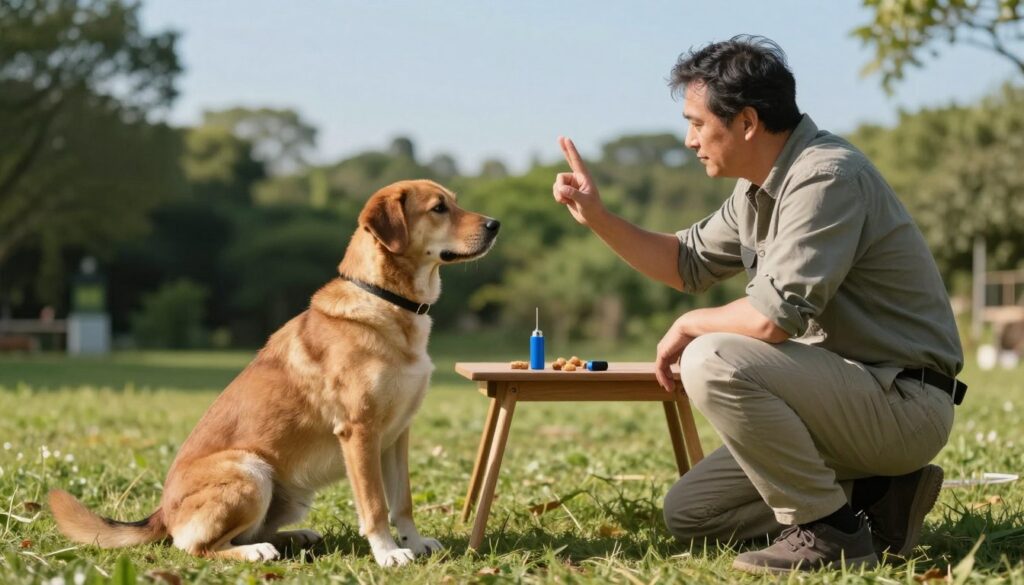
Canine Behavior Modification for Healthy Distance
Modifying your dog’s behavior to encourage healthy distance involves gradual changes. Start by leaving your dog alone for short periods and gradually increase the duration. Positive reinforcement is key; reward your dog for calm behavior when you’re not around.
Another effective technique is to create a safe space for your dog, such as a crate or a designated area, where they can retreat when feeling overwhelmed. This space becomes a comfort zone, helping your dog feel secure even when you’re not in the same room.
Creating Safe Spaces and Comfort Zones for Your Dog
Creating a safe space for your dog is more than just designating an area; it’s about making that space comfortable and inviting. Add your dog’s favorite toys, a comfortable bed, and perhaps an item that smells like you, such as a t-shirt.
This comfort zone serves as a retreat where your dog can relax, reducing stress and anxiety. By having a dedicated space, your dog learns to self-soothe and become more independent.
Pet Training Techniques for Balanced Attachment
Balanced attachment is about fostering a strong bond with your dog while encouraging independence. Techniques such as clicker training can be effective in teaching your dog to respond to commands without relying on your constant presence.
| Training Technique | Description | Benefit |
|---|---|---|
| Clicker Training | Using a clicker to mark desired behavior | Encourages learning without constant owner presence |
| Gradual Separation | Gradually increasing time spent apart | Reduces separation anxiety |
| Safe Space Creation | Designating a comfort zone for your dog | Enhances security and independence |
By implementing these pet training techniques, you can achieve a balanced attachment with your dog, ensuring they remain connected to you while also being confident in their independence.
Conclusion: Embracing Your Canine Shadow
Understanding why your dog follows you everywhere can deepen your appreciation for their loyalty and strengthen your bond. By recognizing the natural instincts and emotional attachment behind their behavior, you can foster a more harmonious and loving relationship.
Using positive reinforcement methods can help you encourage good behavior and create a balanced attachment. This approach not only improves your dog’s obedience but also nurtures a deeper connection between you and your canine companion.
As you’ve learned, a strong dog-human bond offers numerous benefits, from enhanced security and emotional support to improved mental and physical health. By embracing your dog’s loyalty and companionship, you can create a more fulfilling and joyful life for both you and your pet.