
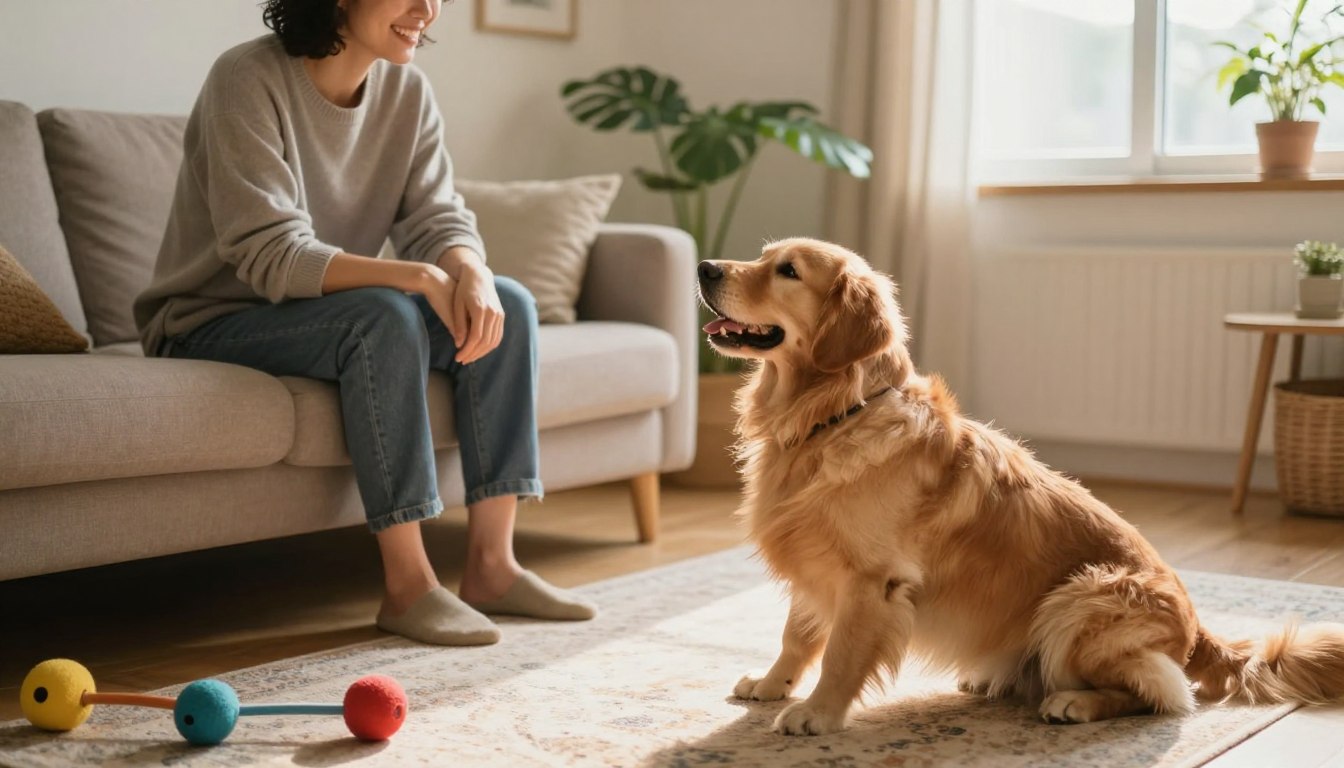
Have you ever wondered why your furry companion seems to have a special affinity for one person over others? The human-animal bond is a fascinating phenomenon that has been observed and studied for years. It appears that pets choose a favourite person based on various factors, including interaction and emotional connection.
This intriguing behaviour is not just a matter of personal preference; it’s rooted in science. Research into pet preferences has uncovered surprising insights into how animals form attachments to humans.
Key Takeaways
- The human-animal bond plays a significant role in pets choosing a favourite person.
- Interaction and emotional connection are key factors in pet preferences.
- Research into pet behaviour reveals surprising insights into animal attachments.
- Pets form strong bonds with their owners based on various factors.
- Understanding pet preferences can strengthen the human-animal bond.
The Fascinating Biology of Pet Attachments
The fascinating world of pet attachments is rooted in a mix of evolutionary history and neurochemical processes. Understanding these biological underpinnings can deepen our appreciation of the complex bonds between humans and animals.
Evolutionary Origins of Animal-Human Bonds
The relationship between humans and pets has evolved significantly over thousands of years. Domestication has played a crucial role in shaping the attachment behaviours we observe in pets today. Dogs, for example, were initially domesticated for tasks like hunting and guarding, but over time, they have become integral family members, often forming strong emotional bonds with their human caregivers.
The Neurochemistry of Pet Affection
The neurochemistry underlying pet attachment involves a complex interplay of various hormones and neurotransmitters. One key player in this process is oxytocin, often referred to as the “love hormone.”
Oxytocin: The Bonding Hormone
Oxytocin is released during social bonding activities, including those between humans and pets. It promotes feelings of affection and trust, strengthening the bond between a pet and its owner. Studies have shown that oxytocin levels increase in both dogs and their owners during interactions, highlighting its role in their attachment.
The intricate biology of pet attachments underscores the depth of the human-animal bond. By understanding the evolutionary and neurochemical factors at play, we can better appreciate the unique connections we share with our pets.
Why Pets Choose a Favourite Person
When pets select a favourite person, it’s often a result of a combination of instinct, socialisation, and sensory recognition. This complex process involves various factors that influence pet preferences.
Early Socialisation and Imprinting
Early socialisation plays a crucial role in shaping a pet’s preference for a particular person. Imprinting, a concept first introduced by ethologist Konrad Lorenz, refers to the process by which young animals form an attachment to the first moving object they encounter, typically their caregiver. This early bonding experience can significantly influence a pet’s future attachments.
For example, a puppy that is handled gently and frequently by a specific person during its critical socialisation period (between 3 and 14 months) is more likely to form a strong bond with that individual. Similarly, kittens that are socialised to humans at a young age tend to be more affectionate and trusting towards people.
Scent Recognition and Chemical Signatures
Pets have a highly developed sense of smell, which they use to recognise and distinguish between different individuals. Scent recognition is a powerful factor in pet preferences, as animals can detect unique chemical signatures that identify their favourite person.
- Pets can detect pheromones and other chemical cues that are associated with their primary caregiver.
- The scent of a favourite person can provide comfort and reassurance to pets.
- Pets often use scent marking to claim their owners as their own, further strengthening their bond.
Voice Recognition and Emotional Response
In addition to scent, pets also use voice recognition to identify their favourite person. The sound of a familiar voice can elicit a strong emotional response in pets, providing comfort and reassurance.
Studies have shown that dogs, in particular, are highly attuned to their owner’s voice and can distinguish it from other voices even in noisy environments. Cats also respond to their owner’s voice, although their response may be more subtle.
“The voice is a powerful tool for building a bond with your pet. By speaking calmly and affectionately, you can create a sense of security and trust.”
By understanding the factors that influence pet preferences, owners can strengthen their bond with their pets and become their favourite person.
Dogs and Their Human Preferences
Understanding why dogs choose a favourite person involves delving into the intricacies of canine behaviour and human-canine interaction. Dogs have an incredible capacity to form emotional bonds with humans, and this connection is influenced by various factors.
Breed-Specific Attachment Patterns
Different breeds exhibit unique attachment patterns due to their genetic predispositions and historical roles. For instance, breeds originally used for guarding or companionship may form strong bonds with a single person.
Some examples of breed-specific attachment include:
- Labradors and Golden Retrievers often form strong bonds with families.
- German Shepherds may attach strongly to a single primary caregiver.
The Primary Caregiver Effect in Canines
The primary caregiver plays a significant role in a dog’s life, often becoming the recipient of the dog’s affection and loyalty. This bond is strengthened through consistent interaction and positive reinforcement.
“The bond between a dog and their primary caregiver is built on trust, consistency, and positive interactions.”
Behavioural Signs Your Dog Has Chosen You
Dogs communicate their preferences through various behaviours, including body language and actions. Recognizing these signs can help you understand your dog’s affection.
Body Language Indicators of Preference
| Behavior | Indicator of Preference |
|---|---|
| Tail Wagging | Excitement and happiness upon seeing you |
| Eye Contact | Maintaining eye contact signifies trust and affection |
| Proximity Seeking | Choosing to be near you indicates a strong bond |
By understanding these signs and responding appropriately, you can strengthen your bond with your dog.
The Truth About Cats and Favourites
Contrary to popular belief, cats are capable of deep affection towards their favourite individuals. While they may not always display their emotions as overtly as dogs, cats form strong bonds with their human caregivers.
Debunking the “Cats Are Independent” Myth
The idea that cats are independent animals has been a long-standing myth. In reality, cats are social creatures that thrive on interaction and affection from their human family members. Research has shown that cats can become attached to their owners, often displaying behaviours that indicate a strong bond.
Unique Feline Attachment Styles
Cats exhibit attachment styles that are distinct from those of dogs. While dogs are often more demonstrative in their affection, cats show their love and loyalty in more subtle ways. Understanding these unique attachment styles is crucial for cat owners who want to strengthen their bond with their pets.
Subtle Signs of Cat Preference
Cats often display subtle signs when they’ve chosen a favourite person. These signs can include rubbing against legs, kneading with their paws, and slow blinking. Recognising these behaviours can help cat owners understand their pets’ preferences.
The Significance of Slow Blinking and Kneading
Slow blinking and kneading are two significant behaviours that cats exhibit when they feel comfortable and affectionate towards someone. Slow blinking is a sign of trust, as it indicates that the cat feels safe enough to let its guard down. Kneading, on the other hand, is a comforting behaviour that cats often display when they’re feeling relaxed and content.
By understanding and responding to these subtle signs, cat owners can strengthen their bond with their pets and become their cat’s favourite person.
Beyond Dogs and Cats: Other Pets’ Bonding Behaviours
Beyond the typical canine and feline companions, other pets display fascinating bonding behaviours with their owners. While dogs and cats are the most common household pets, many other animals also form strong connections with their human caregivers.
Birds: Flock Mentality and Human Bonds
Birds are known for their complex social behaviours, often forming strong bonds within their flocks. Page Page 1 In Page Page 1 a domestic setting, birds can transfer this flock mentality to their human family members. Page 1 Some bird species, such as parrots, are renowned for their ability to form strong emotional bonds with humans.
Small Mammals and Their Attachment Patterns
Small mammals like rabbits, guinea pigs, and hamsters also exhibit unique attachment behaviours. These animals often form strong bonds with their owners through regular interaction and positive reinforcement. For instance, rabbits can become quite affectionate, enjoying being petted and even following their owners around the house.
Reptiles and Amphibians: Recognition vs. Attachment
Reptiles and amphibians, while not typically considered as cuddly as mammals or birds, can still recognise and interact with their owners. While their bonding behaviours may differ from those of more traditionally affectionate pets, they can still form connections based on feeding routines and environmental interactions.
| Pet Type | Bonding Behavior | Key Factors |
|---|---|---|
| Birds | Flock mentality, emotional bonding | Social interaction, positive reinforcement |
| Small Mammals | Affectionate behaviour, following owners | Regular handling, positive reinforcement |
| Reptiles & Amphibians | Recognition, environmental interaction | Feeding routines, habitat maintenance |
The Psychology of Human-Animal Connections
The human-animal bond is a multifaceted relationship that extends beyond simple companionship, involving deep emotional and psychological connections. This complex bond is rooted in various psychological factors that contribute to the strength and depth of the relationship between pets and their owners.
Attachment Theory in Cross-Species Relationships
Attachment theory, originally developed to describe human relationships, has been applied to human-animal bonds to understand the dynamics of these connections. Research has shown that pets can form strong attachment bonds with their owners, characterised by feelings of security, comfort, and loyalty. This attachment is not limited to dogs and cats but can be observed in various species that form close bonds with humans.
Mutual Benefits of Strong Pet-Human Bonds
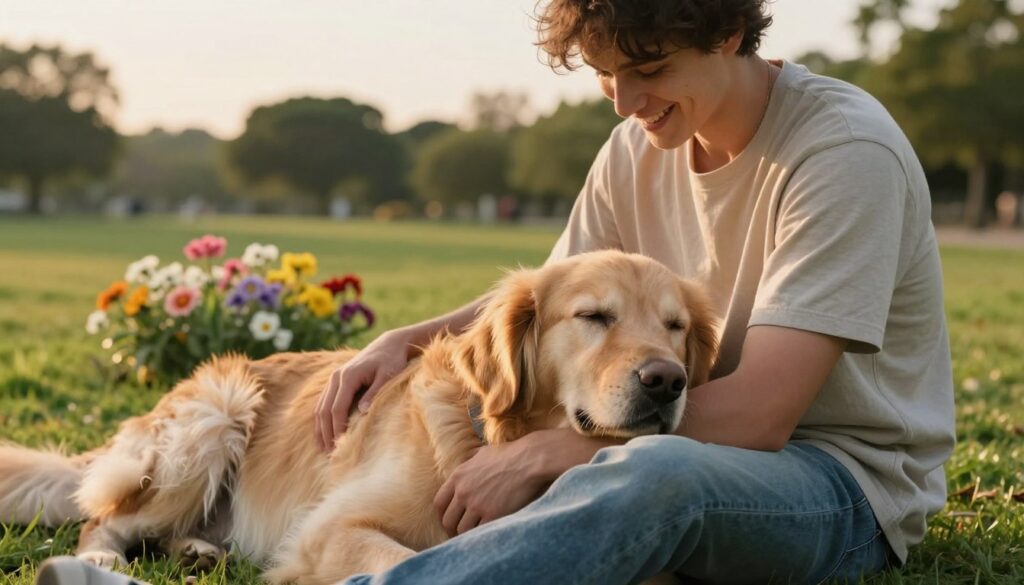
Strong pet-human bonds offer numerous benefits for both parties. For pets, a secure attachment to their owner can reduce stress and anxiety, while for owners, the bond can lead to improved mental and physical health. The emotional support provided by pets can be particularly beneficial for individuals dealing with mental health issues, such as depression and anxiety.
How Pets Mirror Their Owners’ Emotions
Pets have a remarkable ability to sense and mirror their owners’ emotions, creating a deep emotional connection. This empathetic connection allows pets to provide comfort and support during times of emotional distress. Studies have shown that pets can pick up on their owners’ emotional cues, such as body language and tone of voice, to respond appropriately.
The psychological dynamics of human-animal connections highlight the complexity and depth of these relationships. By understanding these dynamics, we can foster stronger, more meaningful bonds with our pets.
Surprising Factors That Influence Pet Preferences
Pet preferences are not random; they are shaped by a combination of surprising elements. While it’s often assumed that pets choose their favourite person based on obvious factors like feeding or walking them, the reality is more complex.
Personality Compatibility Between Species
The compatibility between a pet’s personality and that of its owner plays a significant role in determining the pet’s preference. For instance, a high-energy dog is more likely to bond with an active owner who can match their energy levels. Similarly, a calm and gentle cat may prefer a quiet and peaceful household.
The Impact of Consistent Routines
Consistent routines provide pets with a sense of security and stability, which can strengthen their bond with their owner. Regular feeding times, play sessions, and sleep schedules help pets feel more connected to their caregivers.
How Your Energy Affects Your Pet’s Attachment
A pet’s attachment can be significantly influenced by its owner’s energy. Owners who are calm, patient, and positive tend to attract pets who are similarly inclined.
Stress Levels and Their Effect on Bonding
High stress levels can negatively impact the bonding process between pets and their owners. When owners are stressed, pets can become anxious or fearful, leading to a weaker bond. Conversely, a relaxed and happy owner is more likely to foster a strong and healthy attachment with their pet.
By understanding these surprising factors, pet owners can take steps to strengthen their bond with their pets and become their pet’s favourite person.
How to Strengthen Your Page 2 Bond and Become the Favourite
The key to becoming your pet’s favourite person lies in understanding their needs and behaviours. By adopting the right strategies, you can strengthen your bond and create a lasting connection with your pet.
Species-Specific Bonding Activities
Different species have unique ways of showing affection and bonding. For dogs, activities like agility training and long walks can strengthen your bond. For cats, gentle petting and interactive play are effective. Understanding these species-specific behaviours can help you tailor your approach.
The Power of Positive Reinforcement
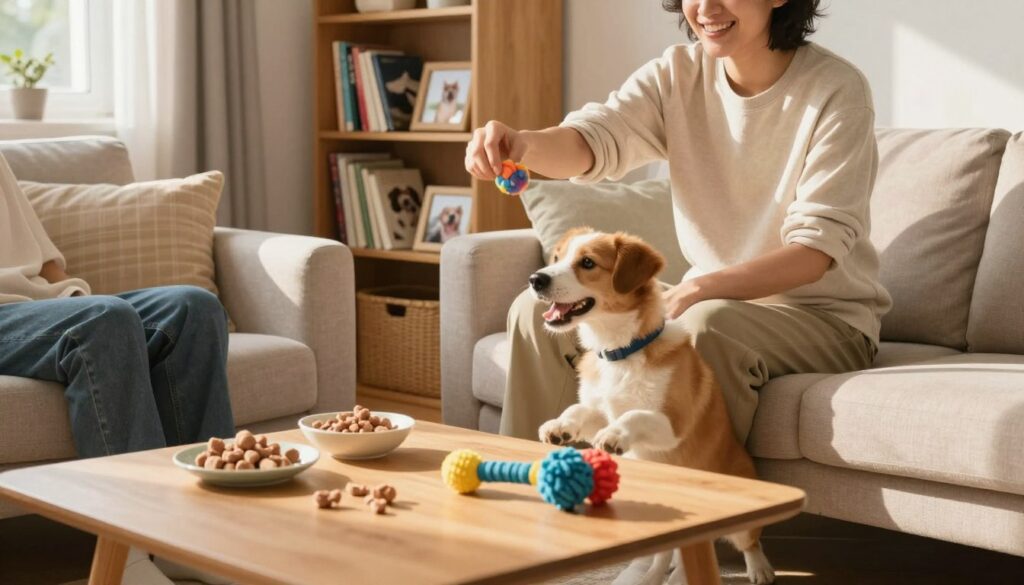
Positive reinforcement is a powerful tool for building trust and strengthening your bond with your pet. By rewarding good behavior with praise, affection, or rewards, you encourage your pet to repeat those behaviours, creating a positive feedback loop.
Reading and Respecting Your Pet’s Boundaries
Understanding and respecting your pet’s boundaries is crucial for building trust. Pay attention to your pet’s body language and behavioural cues, and avoid pushing them beyond their comfort zone.
Creating Trust Through Consistency
Consistency is key to creating trust with your pet. Establish a regular routine for feeding, exercise, and play, and stick to it. This predictability helps your pet feel secure and builds a strong foundation for your bond.
By implementing these strategies, you can strengthen your bond with your pet and become their favorite person. Remember, every pet is unique, so be patient and adjust your approach as needed.
When Pets Shift Their Allegiance
Understanding why pets shift their allegiance can help owners navigate these changes. Pets often form strong bonds with their owners, but their affections can be influenced by various factors.
Major Life Changes and Their Impact
Significant life changes, such as moving to a new home or the addition of a new family member, can impact pet behaviour. These changes can cause pets to reevaluate their attachments and potentially shift their allegiance.
Health Issues That Affect Bonding Behaviour
Health issues in pets can also affect their bonding behaviour. Chronic pain or discomfort can make a pet more irritable and less inclined to interact with their owners, potentially weakening the human-animal bond.
Strategies for Rebuilding Connections
To rebuild connections with pets who have shifted their allegiance, owners can try the following strategies:
- Spend quality time with your pet, engaging in activities they enjoy.
- Maintain a consistent routine to provide a sense of stability.
- Use positive reinforcement techniques to encourage desired behaviours.
| Strategy | Description | Benefit |
|---|---|---|
| Quality Time | Engage in activities your pet enjoys | Strengthens bond |
| Consistent Routine | Maintain a regular schedule | Provides stability |
| Positive Reinforcement | Reward desired behaviours | Encourages good behaviour |
By understanding the factors that influence pet behaviour and implementing strategies to rebuild connections, owners can strengthen their human-animal bond even after significant life changes.
Conclusion
Understanding why pets choose a favourite person can strengthen the human-animal bond, leading to a more fulfilling relationship between you and your pet. Throughout this article, we’ve explored the various factors that influence pet preferences, from early socialisation and scent recognition to personality compatibility and consistent routines.
The human-animal bond is complex and multifaceted, involving emotional, psychological, and biological connections. By recognising the signs that indicate your pet has chosen you as their favourite person, you can nurture this bond and create a deeper, more meaningful relationship.
Whether you’re a dog owner, a cat lover, or have a different type of pet, understanding their unique attachment styles and behaviours can help you build a stronger connection. By being aware of the factors that influence pet preferences, you can take steps to become your pet’s favourite person and enjoy a more rewarding relationship.