

As a pet owner, there’s nothing quite like seeing your furry friend wag their tail or curl up in a cozy ball. But have you ever stopped to think about whether they’re truly happy? Understanding pet happiness is crucial for providing the best possible care.
Recognizing the signs of a happy pet can strengthen your bond and ensure their overall well-being. A happy pet is not just a joy to be around, but it’s also a sign of a healthy and fulfilling relationship between you and your pet.
Key Takeaways
- Understanding pet happiness is crucial for providing the best care.
- Recognizing signs of a happy pet strengthens your bond.
- A happy pet indicates a healthy owner-pet relationship.
- Pet happiness affects overall well-being.
- Observing your pet’s behavior is key to understanding their happiness.
The Importance of Understanding Pet Happiness
The happiness of pets is directly linked to their overall wellbeing. Understanding this connection is crucial for pet owners who want to ensure their pets lead healthy, fulfilling lives. Pet happiness isn’t just about providing basic needs; it’s about creating an environment that fosters joy and contentment.
Why Pet Happiness Matters for Their Health
Pet happiness significantly impacts their physical and mental health. Happy pets tend to have stronger immune systems, fewer behavioral problems, and better overall health. Research has shown that stress and unhappiness in pets can lead to various health issues, including anxiety disorders and chronic diseases. Ensuring your pet is happy can prevent these problems and promote a longer, healthier life.
Key Health Benefits of Happy Pets:
- Stronger immune systems
- Reduced risk of anxiety disorders
- Better overall health and longevity
The Connection Between Pet Happiness and Behavior
A happy pet is more likely to exhibit positive behaviors. Happiness in pets is often reflected in their playful, curious, and affectionate nature. Conversely, unhappy pets may display destructive or aggressive behaviors. By understanding what makes your pet happy, you can encourage good behavior and strengthen your bond with them.
“A happy pet is a reflection of a happy home.”
| Behavioral Indicators | Happy Pet | Unhappy Pet |
|---|---|---|
| Playfulness | Engages in play | Avoids play |
| Social Interaction | Seeks interaction | Avoids interaction |
How to Know If Your Pet Is Truly Happy
Happy pets exhibit certain behaviors and physical signs that are common across different species. Recognizing these signs can help you determine if your pet is truly happy.
Universal Signs of Contentment Across Species
While different pets display happiness in unique ways, there are some universal signs of contentment. For example, a relaxed posture, playful behavior, and a healthy appetite are common indicators of happiness in many pets. Playfulness is a key sign, as it shows that your pet is comfortable and enjoying their environment.
- Relaxed body language
- Engagement in playful activities
- A good appetite
Baseline Behavior: Knowing Your Pet’s Normal
Understanding your pet’s normal behavior is crucial in identifying any deviations that could signal unhappiness. By establishing a baseline, you can recognize changes that may indicate stress or discomfort. For instance, if your pet is normally active and playful but becomes lethargic, it may be a sign of unhappiness or health issues.
| Normal Behavior | Potential Signs of Unhappiness |
|---|---|
| Active, playful | Lethargic, withdrawn |
| Good appetite | Loss of appetite |
| Relaxed posture | Tense, aggressive posture |
Physical Signs of a Happy Dog
Recognizing the physical signs of a happy dog can strengthen the bond between you and your pet. A happy dog is not just a pleasure to be around, but their happiness is also a reflection of their overall dog health.
Body Language That Indicates Canine Joy
A dog’s body language can reveal a lot about their emotional state. When a dog is happy, their body tends to be relaxed, with a loose and open posture. This is often accompanied by a wagging tail, though the speed and movement can vary depending on the dog’s breed and individual temperament.
Tail, Ears, and Posture: Reading Your Dog’s Happiness Signals
The tail, ears, and posture of a dog are key indicators of their happiness. A wagging tail is one of the most recognizable signs of a happy dog, but the position and movement of the ears also play a crucial role. Ears that are relaxed and in their natural position, rather than pulled back or laid flat, can indicate contentment. Additionally, a dog that stands or sits with a relaxed posture is likely feeling happy and at ease.
Healthy Appearance as an Indicator of Wellbeing
A happy dog is likely to have a healthy appearance, characterized by a shiny coat, bright eyes, and a good overall condition. Regular grooming and a balanced diet contribute to a dog’s physical health, which in turn can affect their happiness and dog behavior. Ensuring your dog receives proper care is essential for maintaining their wellbeing and happiness.
By paying attention to these physical signs, you can better understand your dog’s emotional state and take steps to ensure they remain happy and healthy.
Physical Signs of a Happy Cat
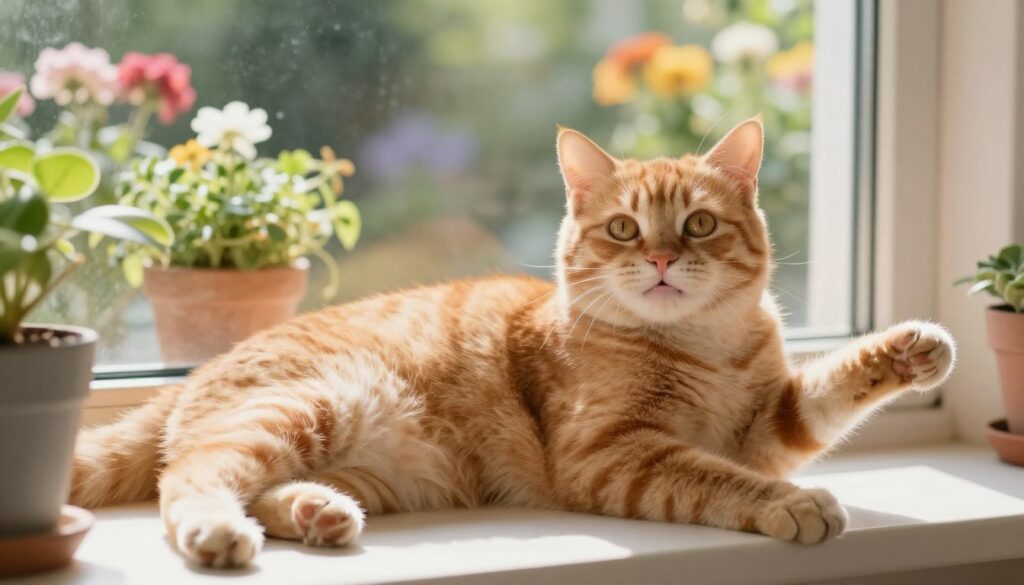
Cats exhibit happiness in various ways, and recognizing these signs can strengthen your bond with them. A happy cat is not just a pleasure to be around, but their contentment is also a sign of their overall health and wellbeing.
Feline Body Language: Purrs, Kneading, and More
One of the most recognizable signs of a happy cat is their purring. Purring is a unique vocalization that cats make by using the muscles in their larynx to vibrate their vocal cords. This is often accompanied by kneading, a behavior that cats exhibit when they’re feeling relaxed and comfortable. Kneading is a leftover from kittenhood, when they used to knead their mother’s belly to stimulate milk production.
Tail Positions and What They Mean
A cat’s tail is a significant indicator of their mood. A tail that’s held high usually signifies confidence and happiness, while a tucked-in tail can indicate fear or anxiety. A twitching tail can mean irritation, but a slow, sweeping motion can be a sign of contentment.
Grooming Habits of Content Cats
Happy cats are often meticulous about their grooming. They spend a significant amount of time cleaning themselves, which is a sign of relaxation and contentment. Grooming also helps cats to maintain their coat health, reducing the risk of matting and tangling.
By recognizing these physical signs of happiness in your cat, you can better understand their emotional state and ensure they’re living a happy and healthy life.
Happiness Indicators in Small Pets
Understanding the happiness of small pets is crucial for their overall wellbeing. Small pets, including birds, rabbits, guinea pigs, and reptiles, bring joy and companionship to many households. Recognizing the signs of happiness in these pets can help owners provide better care and strengthen their bond with their pets.
Birds: Vocalizations, Feather Condition, and Activity Levels
Birds exhibit happiness through various behaviors and physical signs. Vocalizations are a key indicator; happy birds often sing or chirp melodiously. The condition of their feathers is also telling; well-groomed feathers suggest contentment. Additionally, active birds that engage in playful behaviors or explore their environment are likely happy.
Rabbits and Guinea Pigs: Positive Behaviors to Look For
Rabbits and guinea pigs display happiness through their behaviors and body language. Relaxed postures, such as lying down or stretching, indicate comfort and happiness. These pets also enjoy exploring their surroundings and engaging in playful activities. Healthy appetites and regular social interaction are other signs of happiness in these small mammals.
Reptiles: Subtle Signs of Contentment
Reptiles, such as turtles and bearded dragons, show happiness in more subtle ways. Basking in their heat sources with a relaxed posture is a sign of contentment. Active hunting behaviors or exploring their enclosure also indicate happiness. Observing these behaviors can help owners understand their reptile’s emotional state.
| Pet Type | Happiness Indicators |
|---|---|
| Birds | Vocalizations, feather condition, activity levels |
| Rabbits/Guinea Pigs | Relaxed postures, playful behaviors, healthy appetites |
| Reptiles | Basking, active hunting, exploration |
By understanding these happiness indicators, owners of small pets can better assess their pets’ wellbeing and make necessary adjustments to their care. Providing a nurturing environment that supports the physical and emotional needs of small pets is essential for their happiness.
Behavioral Indicators of Pet Happiness
Understanding your pet’s happiness is crucial for their overall wellbeing. A happy pet is more likely to lead a healthy and fulfilling life. Behavioral indicators are key to understanding whether your pet is truly happy.
Playfulness and Energy Levels
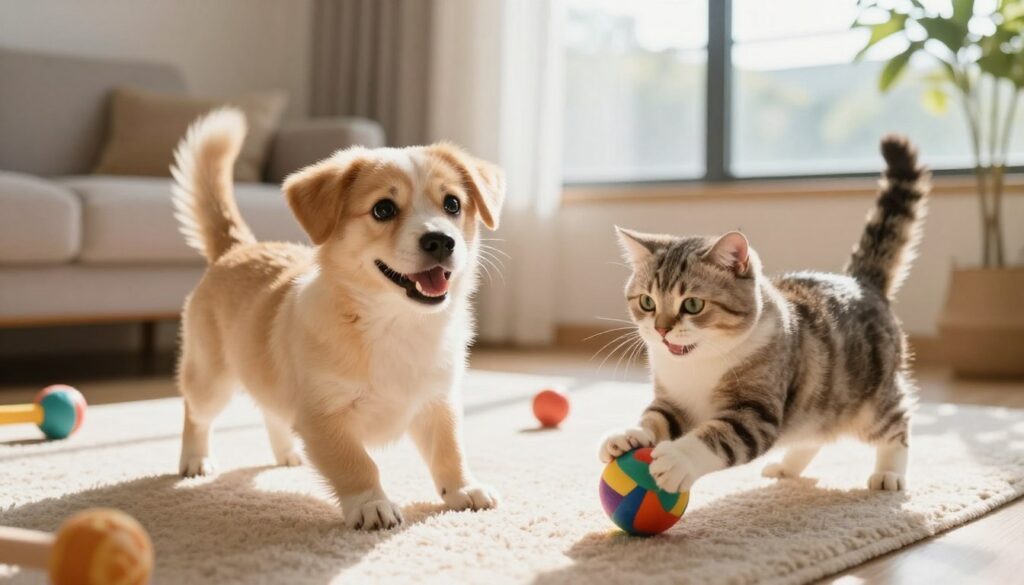
One of the most evident signs of a happy pet is their level of playfulness and energy. Pets that are happy and content tend to be more playful and have a noticeable bounce in their step. For example, a happy dog will often run around, play fetch, and engage in interactive games with their owners or other dogs. Similarly, a happy cat will pounce on toys and climb. Playfulness is a strong indicator of pet happiness, as it shows that the pet feels secure and stimulated enough to engage in natural behaviors.
Healthy Eating and Sleeping Patterns
Happy pets typically exhibit healthy eating and sleeping patterns. A pet that is happy and content will have a good appetite and sleep soundly. Changes in eating or sleeping habits can be an indicator of stress or unhappiness. For instance, a dog that is happy will eat their meals eagerly and sleep peacefully through the night. Cats also show contentment through regular grooming and relaxed sleeping postures. Monitoring these patterns can help you understand your pet’s happiness levels.
Social Interactions with Humans and Other Animals
Social interactions are another crucial indicator of pet happiness. Pets that are happy tend to be more sociable and enjoy interacting with their human family members and other animals. A happy dog will often seek out attention and affection, while a happy cat will initiate contact or show affection on their own terms. Positive social interactions can significantly contribute to a pet’s overall happiness and wellbeing.
| Behavioral Indicator | Description | Example |
|---|---|---|
| Playfulness | Increased energy and engagement in play | A dog playing fetch or a cat pouncing on toys |
| Healthy Eating and Sleeping | Regular appetite and sleep patterns | A dog eating eagerly and sleeping soundly |
| Social Interactions | Positive engagement with humans and other animals | A dog seeking attention or a cat initiating contact |
Warning Signs of an Unhappy Pet
As a responsible pet owner, it’s crucial to recognize the warning signs that indicate your pet is unhappy. Pets rely on their owners to provide a nurturing environment, and being aware of their emotional state is key to their overall wellbeing.
Changes in Behavior That Signal Distress
Changes in behavior can be a significant indicator of pet unhappiness. Withdrawal or aggression are common signs that your pet is experiencing stress or discomfort. For example, if your dog becomes less enthusiastic about activities they once enjoyed, it may be a sign of underlying issues. Similarly, cats may exhibit changes in their grooming habits or become more reclusive.
Physical Symptoms of Unhappiness or Stress
Physical symptoms can also signal that your pet is unhappy or stressed. Look out for changes in appetite, sleep patterns, or gastrointestinal issues. Some pets may exhibit excessive grooming or shedding, while others may experience changes in their energy levels. Monitoring these physical signs can help you identify potential problems early.
When to Be Concerned About Your Pet’s Mental State
If you notice persistent changes in your pet’s behavior or physical condition, it’s essential to be concerned about their mental state. Consulting with a veterinarian can help rule out underlying medical issues that may be contributing to their unhappiness. By addressing these concerns, you can work towards improving your pet’s overall pet health and wellbeing.
Environmental Factors Affecting Pet Happiness
The happiness of our pets is significantly influenced by their surroundings and the dynamics within our households. A well-crafted environment can enhance their wellbeing and strengthen the bond between pets and their owners.
Creating a Safe and Comfortable Living Space
A safe and comfortable living space is fundamental to pet happiness. This involves ensuring that your home is free from hazards and provides adequate space for your pet to rest, play, and exercise. For instance, providing a cozy, quiet area for your pet to sleep can significantly improve their overall happiness.
The Impact of Routine and Stability
Routine and stability are crucial for maintaining pet happiness. Pets thrive on predictability, and a consistent daily routine helps reduce stress and anxiety. Regular feeding times, play sessions, and sleep schedules contribute to a stable environment that supports their emotional wellbeing.
How Household Dynamics Affect Your Pet
Household dynamics play a significant role in shaping your pet’s happiness. The interactions between family members and pets, as well as between pets themselves, can either enhance or detract from their happiness. Creating a harmonious household where pets feel included and loved is vital for their emotional health.
By understanding and addressing these environmental factors, you can significantly improve your pet’s happiness and create a more loving and supportive home environment.
Enrichment Activities to Boost Your Pet’s Happiness
A happy pet is often the result of a well-planned enrichment strategy that caters to their mental, physical, and social needs. Enrichment activities are essential for maintaining your pet’s overall wellbeing and happiness.
Mental Stimulation: Toys, Puzzles, and Games
Mental stimulation is crucial for preventing boredom and stress in pets. Engaging your pet with interactive toys and puzzles can challenge their minds and keep them entertained. For example, puzzle toys that dispense treats require problem-solving skills, thereby providing mental stimulation.
The Role of Exercise in Pet Wellbeing
Regular exercise is vital for maintaining your pet’s physical health and happiness. Activities such as walking, running, or playing fetch not only burn energy but also strengthen the bond between you and your pet. Tailoring the exercise routine to your pet’s age, breed, and health status is important for maximizing its benefits.
Social Enrichment: Playdates and Human Interaction
Social enrichment is another key aspect of pet happiness. Organizing playdates with other pets and spending quality time with your pet through activities like cuddling or training sessions can enhance their emotional wellbeing. Positive interactions with humans and other animals can significantly reduce stress and promote happiness.
By incorporating these enrichment activities into your pet’s daily routine, you can significantly boost their happiness and overall quality of life.
The Pet-Owner Happiness Connection
The happiness of pets and their owners is intricately linked, with each playing a crucial role in the other’s wellbeing. A positive relationship between a pet and their owner can lead to increased happiness for both, creating a harmonious and healthy home environment.
How Your Mood Affects Your Pet
Your mood and emotional state can significantly impact your pet’s happiness. Pets are highly attuned to their owner’s emotions, and a calm, happy owner tends to create a more relaxed and happy pet. Consistency in your emotional responses helps your pet feel secure, reducing stress and anxiety.
Building Trust Through Consistent Care
Building trust with your pet is fundamental to a happy pet-owner relationship. Consistent care and routine provide your pet with a sense of security and stability, fostering a deep bond between you and your pet. Regular interaction, including play and affection, strengthens this bond, enhancing your pet’s happiness and your own.
The Benefits of a Happy Pet-Owner Relationship
A happy pet-owner relationship offers numerous benefits for both parties. For pets, it means a nurturing environment that supports their physical and emotional wellbeing. For owners, it can lead to reduced stress levels, increased companionship, and a sense of purpose. This mutual happiness creates a positive feedback loop, further enhancing the bond between you and your pet.
Conclusion: Nurturing a Lifelong Bond Through Understanding
Understanding your pet’s happiness is crucial for building a strong, lifelong bond. By recognizing the signs of contentment and distress, you can create a nurturing environment that promotes pet happiness and strengthens your pet-owner bond.
A happy pet is not just a joy to be around, but it’s also a sign of a healthy and fulfilling relationship. By paying attention to your pet’s behavior, body language, and overall wellbeing, you can identify areas for improvement and make adjustments to enhance their quality of life.
Fostering a deep understanding of your pet’s needs and personality is key to a happy and harmonious home. By doing so, you’ll not only improve your pet’s happiness but also enrich your own life with a more meaningful and loving connection.