
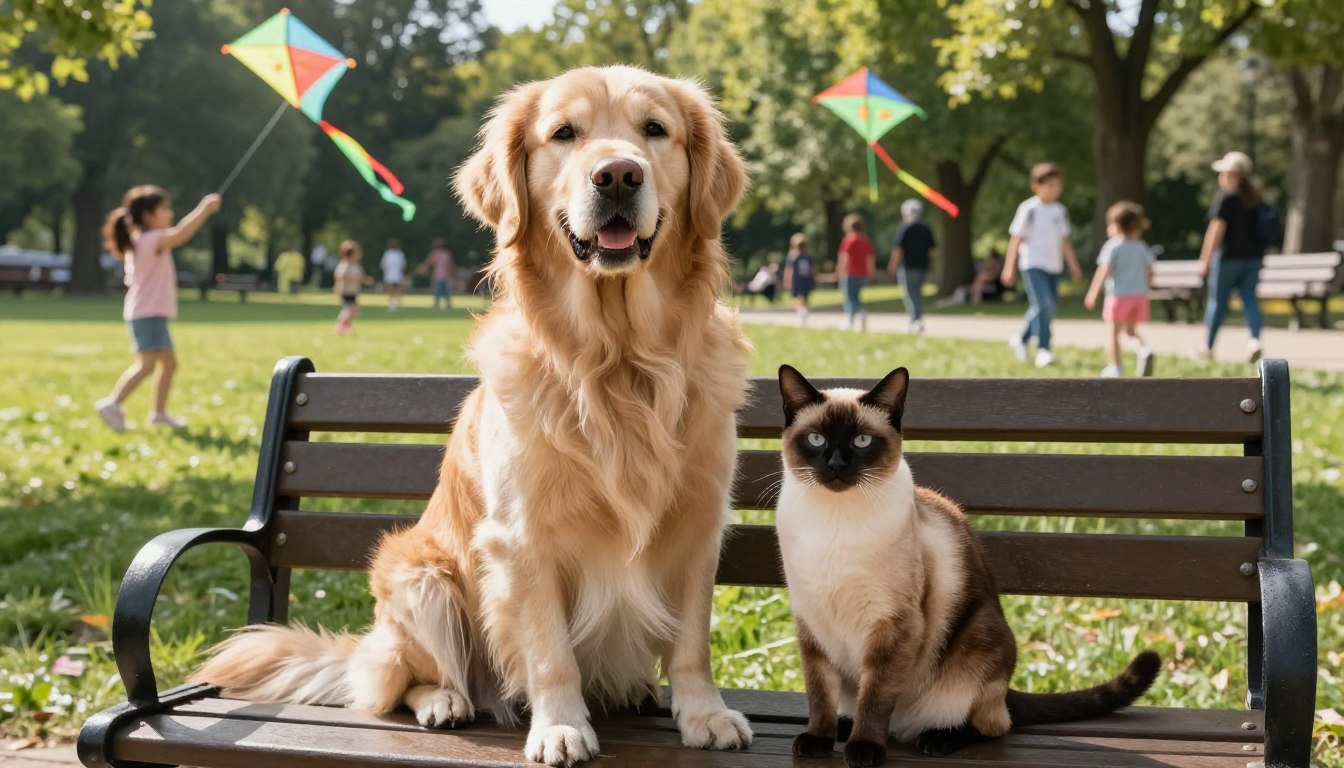
Modern life can be overwhelming, not just for us, but for our pets as well. The constant noise and hustle and bustle can cause pet anxiety, making it challenging for them to stay calm and confident.
Creating a peaceful home environment is crucial for their well-being. By implementing a few simple strategies, you can help your pet feel more secure and relaxed, even in the midst of chaos.
Key Takeaways
- Understand the causes of pet anxiety
- Learn how to create a calm environment
- Discover techniques for building confidence in pets
- Implement simple strategies for a peaceful home
- Recognise the importance of a calm pet
Understanding Pet Anxiety in Modern Environments
As our lives become increasingly fast-paced, our pets are often left struggling to cope with the stressors of modern life. The environment we live in plays a significant role in shaping our pets’ behaviour and mental health.
Common Stressors for Pets Today
Modern pets face a variety of challenges that can contribute to anxiety. Understanding these stressors is crucial for pet anxiety prevention.
Urban Environment Challenges
Urban environments can be particularly stressful for pets due to the constant noise, crowded spaces, and lack of natural habitats. Pets may feel overwhelmed by the hustle and bustle of city life.
Technology and Household Noises
The increasing presence of technology in our homes, such as loud appliances and constant notifications, can also contribute to a pet’s stress levels. Household noises, like those from TVs and radios, can be particularly disturbing.
How Anxiety Manifests in Different Animals
Anxiety can manifest differently in various pets, making it essential to recognise the signs specific to each animal.
Dogs vs. Cats: Different Stress Signals
Dogs and cats exhibit anxiety in distinct ways. Dogs may bark excessively or become destructive, while cats may hide or become aggressive. Understanding these signals is vital for providing the right support.
Physical and Behavioural Symptoms
Both dogs and cats can display physical symptoms like trembling or excessive grooming, as well as behavioural changes such as altered eating habits or increased vigilance.
| Pet | Common Anxiety Symptoms |
|---|---|
| Dogs | Barking, destructive behaviour, pacing |
| Cats | Hiding, aggression, excessive grooming |
The Impact of Owner Behaviour on Pet Stress
Owner behaviour significantly influences pet stress levels. By being aware of our actions and their impact, we can create a more stress-free environment for our pets.
By understanding the causes of pet anxiety and recognising the signs, pet owners can take steps towards creating a more calming environment, ultimately contributing to the overall well-being of their pets.
The Foundation: Building Trust with Your Pet
Building trust with your pet is a journey that requires patience and consistency, as well as positive reinforcement. This foundation is crucial for raising a calm and confident companion.
Creating Consistent Communication
Consistent communication is key to building trust. This involves using clear, consistent commands and body language that your pet can understand. By doing so, you help reduce confusion and anxiety in your pet.
Establishing Yourself as a Calm Leader
To establish yourself as a calm leader, you must manage your own energy and reactions. This includes:
- Remaining calm during stressful events
- Using positive body language
- Avoiding sudden or loud noises
Body Language and Energy Management
Your body language and energy significantly impact your pet’s behaviour. By maintaining a calm demeanour, you help your pet feel more secure.
Modeling Calm Behavior During Stressful Events
During stressful events, it’s crucial to model calm behaviour. This helps your pet understand that there’s no need to be alarmed.
The Importance of Patience in Trust Building
Patience is vital when building trust with your pet. Trust develops over time through consistent, positive interactions.
| Aspect | Description | Benefit |
|---|---|---|
| Consistent Communication | Clear, consistent commands and body language | Reduces confusion and anxiety |
| Calm Leadership | Managing your energy and reactions | Helps the pet feel secure |
| Patience | Allowing trust to develop over time | Strengthens the pet-owner bond |
Early Socialisation: The Key to a Confident Pet
The foundation of a calm and confident pet lies in early socialisation. This critical period is when pets are most receptive to new experiences, people, and environments. By exposing your pet to a variety of stimuli during this time, you can significantly influence their ability to cope with stress and adapt to new situations.
Critical Socialisation Windows for Different Species
Different species have different critical socialisation periods. Understanding these windows is crucial for effective socialisation.
Puppy Socialisation (8-16 weeks)
Puppies are most receptive to new experiences between 8 and 16 weeks old. During this period, they should be exposed to various environments, people, and other animals to help them develop good social skills.
Kitten Socialisation Timelines
Kittens have a similar critical socialisation period, typically between 2 and 9 months. Early handling and exposure to different stimuli can help kittens grow into confident adult cats.
Safe Exposure to Various Stimuli
Safe exposure to various stimuli is crucial during the socialisation period. This includes introducing your pet to different sounds, sights, and textures in a controlled and positive manner.
Positive Association Techniques
Positive association techniques involve creating positive experiences for your pet during socialisation. This can be achieved through the use of treats and play.
Using Treats and Play to Create Good Experiences
Treats and play are effective tools for creating positive associations during socialisation. By rewarding your pet with treats and engaging in play, you can help them associate new experiences with positive outcomes.
Socialisation Checklists for Comprehensive Exposure
Using a socialisation checklist can help ensure that your pet receives comprehensive exposure to various stimuli. This can include exposure to different environments, people, and other animals.
| Species | Critical Socialisation Period | Recommended Exposure |
|---|---|---|
| Puppies | 8-16 weeks | Various environments, people, and other animals |
| Kittens | 2-9 months | Different sounds, sights, textures |
Creating Stability Through Routine
A consistent daily routine provides the stability pets need to feel secure. By establishing a predictable schedule, you can significantly reduce your pet’s stress levels and create a more harmonious home environment.
Designing a Pet-Friendly Daily Schedule
Creating a daily schedule that meets your pet’s needs is crucial for their well-being. This involves setting regular times for feeding, exercise, and rest.
Feeding, Exercise, and Rest Patterns
Establishing a consistent feeding schedule helps regulate your pet’s digestive system and prevents overeating. Regular exercise sessions not only keep your pet physically healthy but also mentally stimulated. Adequate rest periods are equally important to prevent fatigue.
For example, a typical daily schedule for a dog might include:
| Time | Activity |
|---|---|
| 7:00 AM | Morning walk and feeding |
| 12:00 PM | Lunch and playtime |
| 5:00 PM | Evening walk |
| 8:00 PM | Dinner |
Consistency in Rules and Boundaries
Consistency in rules and boundaries is vital for your pet’s sense of security. Ensure all family members are on the same page regarding what is allowed and what is not.
“Consistency is key when training your pet. It helps them understand what behavior is expected of them.”
Maintaining Consistency During Life Changes
Life changes, such as moving to a new home or having guests, can disrupt your pet’s routine. It’s essential to maintain as much consistency as possible during these times to minimise stress.
Balancing Routine with Enrichment
While routine is important, it’s equally crucial to provide your pet with mental and physical enrichment activities to prevent boredom.
Preventing Boredom While Maintaining Structure
Introduce new toys, puzzle feeders, or interactive games to keep your pet engaged. You can also vary their exercise routine or incorporate training sessions.

By balancing routine with enrichment, you can create a happy, stress-free pet that thrives in a busy world.
How to Raise a Calm Pet Through Exposure Training
In today’s busy environments, exposure training stands out as a vital tool for pet owners aiming to reduce their pet’s stress levels. By gradually introducing pets to various stimuli, owners can help their pets become more confident and calm.
Desensitisation Techniques for Common Triggers
Desensitisation involves exposing pets to stressors at a level that does not provoke a reaction, gradually increasing the intensity. This technique is particularly useful for common triggers such as loud noises and crowded spaces.
Traffic and Urban Noise Desensitisation
Start by playing recordings of traffic and urban noises at a low volume while engaging your pet in a pleasant activity. Gradually increase the volume over time, always monitoring your pet’s reaction.
Handling Sensitivity to Strangers and Crowds
For pets sensitive to strangers and crowds, begin by exposing them to small, manageable groups of people. Reward calm behaviour and gradually increase the number of people.
Counter-Conditioning Strategies
Counter-conditioning involves associating the presence of a stressor with something pleasant. For example, when a pet remains calm during a loud noise, reward them with treats or affection.
Gradual Exposure Plans for Different Scenarios
Creating a gradual exposure plan involves identifying your pet’s stressors and developing a step-by-step approach to addressing them.
Creating a Progressive Exposure Schedule
Develop a schedule that gradually increases exposure to the stressor, allowing your pet to become comfortable at each step before progressing.
Recognising and Respecting Threshold Limits
It’s crucial to recognise when your pet is reaching their threshold. If they show signs of extreme stress, it’s essential to reduce the intensity of the exposure and proceed at a slower pace.
| Technique | Description | Benefit |
|---|---|---|
| Desensitization | Gradual exposure to stressors | Reduces reaction to triggers |
| Counter-Conditioning | Associating stressors with positive outcomes | Changes the pet’s perception of stressors |
| Gradual Exposure | Progressive introduction to various stimuli | Builds confidence and calmness |
By implementing these strategies, pet owners can significantly reduce their pet’s stress levels, leading to a calmer and confident companion.
Designing Safe Spaces and Retreat Areas
In a world full of noise and distractions, a peaceful retreat is essential for pets. Creating a safe space for your pet can significantly reduce their stress and anxiety, promoting a more relaxed and calm demeanour.
Creating the Perfect Sanctuary for Your Pet
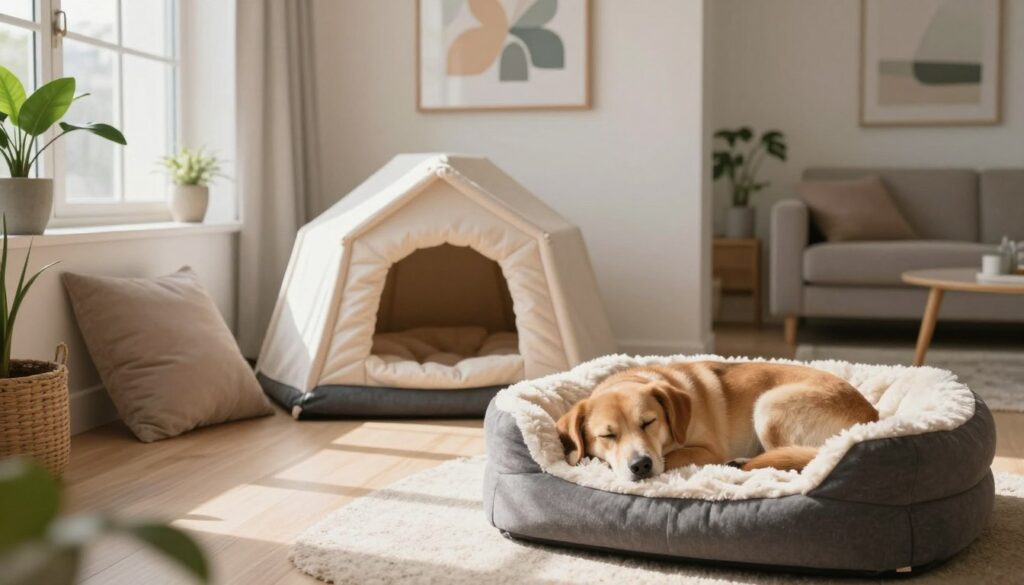
A well-designed safe space should be quiet, comfortable, and free from distractions. Consider the location and setup carefully to ensure your pet feels secure.
Location and Setup Considerations
Choose a quiet area of your home that is away from high-traffic zones and noisy appliances. Ensure the space is well-ventilated and at a comfortable temperature.
Comfort Items and Anxiety-Reducing Products
Incorporate comfort items such as your pet’s favourite toys or blankets into their safe space. Consider using anxiety-reducing products like pheromone diffusers or calming music to enhance relaxation.
Training Your Pet to Use Their Safe Space
Encourage your pet to use their safe space by making it a positive experience. You can do this by offering treats and praise when they enter the space voluntarily.
Respecting Boundaries and Alone Time
It’s essential to respect your pet’s boundaries and allow them alone time in their safe space. Teach children and visitors to respect these boundaries as well.
Teaching Children and Visitors About Pet Boundaries
Educate children and visitors on the importance of not disturbing your pet when they are in their safe space. This will help prevent stress and anxiety.
| Tips for Creating a Safe Space | Benefits |
|---|---|
| Choose a quiet location | Reduces noise stress |
| Use comfort items | Provides a sense of security |
| Respect boundaries | Promotes relaxation and reduces anxiety |
Emotional Reassurance Without Reinforcing Fear
Emotional support is vital for pets experiencing anxiety, yet it’s critical to provide this support without inadvertently strengthening their fears. The key lies in understanding your pet’s needs and responding appropriately to their emotional state.
Reading Your Pet’s Body Language
Understanding your pet’s body language is crucial in determining their emotional state. Paying attention to subtle cues can help you differentiate between fear and excitement, allowing you to respond appropriately.
Early Warning Signs of Stress
Recognising early warning signs of stress, such as panting, yawning, or avoiding eye contact, can help you intervene before the situation escalates. Being proactive in addressing these signs can prevent the development of more severe anxiety issues.
Differentiating Between Fear and Excitement
It’s not always easy to distinguish between fear and excitement in pets, as both can manifest in similar ways, such as barking or restlessness. Observing the context and other behavioural cues is essential in making this distinction.
Appropriate Comforting Techniques
Once you’ve assessed your pet’s emotional state, you can employ appropriate comforting techniques. Gentle petting, soft speech, or simply being present can be comforting without reinforcing fearful behaviours.
When Reassurance Becomes Counterproductive
While reassurance is important, it’s equally crucial to recognise when it becomes counterproductive. Overcomforting can inadvertently reinforce anxious behaviours, making it essential to strike a balance.
Avoiding Inadvertent Reinforcement of Anxious Behaviours
To avoid reinforcing anxious behaviours, it’s vital to reward calm behaviour instead. By doing so, you’re encouraging a more positive emotional state, contributing to pet anxiety prevention and overall well-being.
By understanding your pet’s body language, employing appropriate comforting techniques, and being mindful of the potential pitfalls of reassurance, you can provide emotional support without reinforcing fear. This balanced approach is key to behaviour modification and fostering a calm, confident pet.
Training Methods That Build Confidence
Training methods that foster confidence are essential for raising calm and composed pets. By focusing on positive reinforcement techniques, pet owners can help their pets navigate challenging situations with ease.
Positive Reinforcement Fundamentals
Positive reinforcement is a powerful training method that encourages desired behaviours by associating them with rewards. This approach helps build confidence by making pets feel accomplished and motivated.
Clicker Training for Confidence Building
Clicker training is a precise form of positive reinforcement that uses a distinct sound to mark desired behaviours. This technique helps pets understand exactly what they did right, boosting their confidence.
Reward Timing and Selection
The timing and selection of rewards are crucial in positive reinforcement training. Rewards should be given immediately after the desired behaviour and should be meaningful to the pet.
Confidence-Building Exercises for Different Species
Different species and individual pets may require tailored exercises to build confidence. For example, puzzle toys can challenge and engage pets mentally.
Puzzle Toys and Mental Stimulation
Puzzle toys provide mental stimulation, challenging pets to figure out how to get a treat out. This not only builds confidence but also reduces boredom and stress.
Controlled Challenge Activities
Controlled challenge activities, such as obstacle courses, can help pets build confidence in their physical abilities. Gradually increasing the difficulty level keeps pets engaged and motivated.
Avoiding Training Approaches That Increase Anxiety
It’s equally important to avoid training methods that can increase anxiety. Punishment-based training, for instance, can undermine a pet’s confidence and create more behavioural issues.
By adopting positive reinforcement techniques and avoiding anxiety-inducing training methods, pet owners can help their pets become more confident and calm in a busy world.
Managing Special Situations: Holidays, Visitors, and Travel
Special situations like holidays and travel can be challenging for pets, but with the right strategies, you can help them stay calm. Pets often experience anxiety during unusual events due to the change in environment and increased stimuli. By preparing your pet in advance and using effective stress management techniques, you can significantly reduce their anxiety.
Preparing Your Pet for Unusual Events
Preparing your pet for special situations involves gradual exposure to the stimuli associated with these events. For holidays, this might mean introducing your pet to festive decorations and sounds. Desensitisation and counter-conditioning are effective techniques to help your pet become comfortable with these new stimuli.
Creating Calm During Celebrations and Gatherings
During celebrations and gatherings, it’s essential to create a calm environment for your pet. This can be achieved by designating a quiet space for them to retreat to when feeling overwhelmed.
Holiday Noise Management Strategies
Holiday noises, such as fireworks or loud music, can be particularly distressing for pets. Using white noise machines or calming music can help mask these sounds and create a more peaceful environment.
Visitor Protocols for Pet Comfort
When visitors arrive, it’s crucial to ensure your pet feels safe and comfortable. Establishing visitor protocols, such as having visitors ignore your pet until they initiate interaction, can help reduce stress.
Travel Strategies for Anxious Pets
Travelling can be particularly stressful for pets. Preparing your pet for travel involves gradual exposure to the carrier and car rides. Making the carrier a comfortable space with familiar bedding can help.
Car Travel Preparation
For car travel, it’s essential to acclimate your pet to the vehicle by starting with short trips and gradually increasing the duration. Ensuring your pet is secure and comfortable during travel is crucial.
Reducing Stress in New Environments
When arriving at a new destination, providing a familiar environment can help reduce your pet’s stress. Bringing along familiar items like their bed or favourite toys can provide comfort in new surroundings.
Conclusion: Nurturing a Lifelong Calm Companion
Raising a calm and confident pet in today’s busy world requires dedication and the right strategies. By understanding pet anxiety and its common stressors, you can create a more peaceful environment for your companion.
Patience and consistency are key when building trust and confidence with your pet. Techniques such as early socialisation, exposure training, and creating safe spaces have been shown to be effective in reducing anxiety and fostering calm behaviour.
To raise a calm pet, it’s essential to maintain a consistent daily routine, provide emotional reassurance without reinforcing fear, and use positive reinforcement training methods. By combining these approaches, you can help your pet become a confident and calm companion.
With time, effort, and the right techniques, you can nurture a lifelong calm companion, enhancing the bond between you and your pet.