
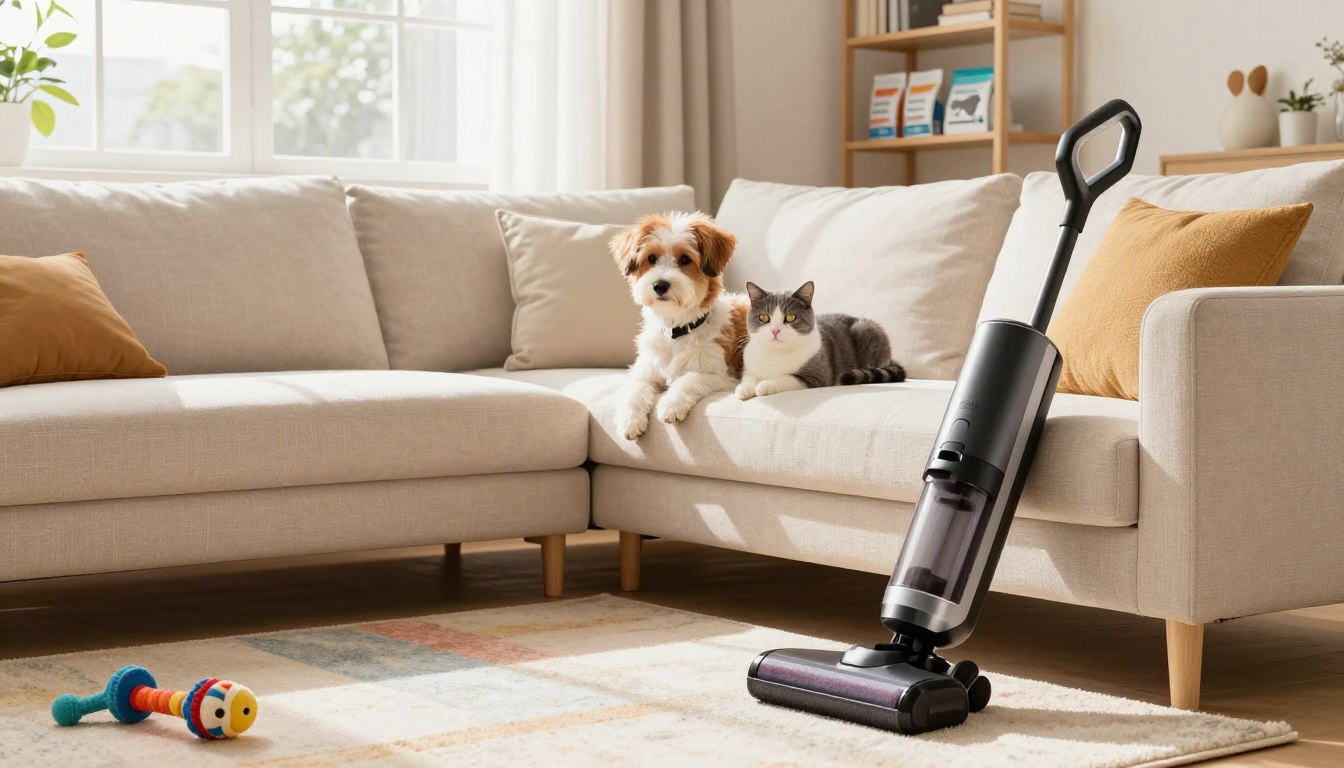
For many pet owners, dealing with excessive shedding can be a daily struggle. It’s not just about the constant cleaning; it’s the stress that comes with feeling overwhelmed by the never-ending battle against fur-covered furniture and clothes.
Fortunately, there are practical ways to minimise pet hair around your home. By implementing simple grooming routines, using the right tools, and adopting a few daily habits, you can significantly reduce the amount of hair in your living space.
This article will guide you through real-life solutions to make your life easier and your home cleaner.
Key Takeaways
- Simple grooming routines can significantly reduce shedding.
- The right tools can make cleaning up pet hair easier.
- Daily habits can help minimise hair buildup.
- Protecting your furniture is crucial for a hair-free home.
- Laundry tips can help reduce pet hair on clothes.
Understanding Why Pets Shed
Managing pet hair starts with understanding the reasons behind shedding. Pets shed for various reasons, including seasonal changes, breed characteristics, and health conditions.
Normal Shedding vs. Excessive Shedding
Normal shedding is a natural process where pets lose their old or damaged hair. However, excessive shedding can be a sign of an underlying health issue. It’s essential to distinguish between the two to provide appropriate care.
Seasonal Shedding Patterns in American Climates
In American climates, pets tend to shed more during seasonal transitions, particularly from winter to spring and summer to fall. This is because they adjust their coats to the changing temperatures.
Breed-Specific Shedding Considerations
Different breeds have unique shedding patterns. For example, some breeds like Siberian Huskies and Alaskan Malamutes are heavy shedders due to their thick double coats, while others like Poodles and Bichon Frise are low shedders.
| Breed | Shedding Level | Grooming Needs |
|---|---|---|
| Siberian Husky | High | Regular brushing |
| Poodle | Low | Frequent grooming |
| Labrador Retriever | Moderate | Regular brushing |
Understanding these factors can help pet owners manage their pet’s shedding effectively. Regular grooming routines, including brushing and bathing, can significantly reduce the amount of pet hair.
The Health Connection: Diet and Shedding
A well-balanced diet plays a crucial role in maintaining your pet’s coat health and reducing shedding. The nutrients your pet consumes directly impact the quality of their coat and can influence how much they shed.
How Nutrition Affects Coat Health
Nutrition is fundamental to your pet’s coat health. A diet rich in essential fatty acids, vitamins, and minerals can enhance coat condition and reduce shedding. Omega-3 fatty acids, found in fish oil, are particularly beneficial for maintaining a healthy coat.
- Essential fatty acids improve coat shine and reduce shedding.
- Vitamins and minerals support overall skin and coat health.
Supplements That Reduce Shedding
In addition to a balanced diet, certain supplements can help reduce shedding. Omega-3 supplements and probiotics are known to improve coat health and minimize hair loss. It’s essential to consult with a veterinarian before adding any supplements to your pet’s diet.
Hydration and Its Impact on Pet Hair
Adequate hydration is vital for maintaining your pet’s overall health, including their coat. Proper hydration helps keep the skin healthy, reducing the likelihood of excessive shedding. Ensure your pet always has access to fresh water.
Effective Ways to Manage Pet Hair Through Grooming
One of the most effective ways to manage pet hair is through a consistent and well-planned grooming routine. Grooming is not just about keeping your pet looking good; it’s also crucial for their health and for reducing the amount of hair they shed.
Establishing a Regular Grooming Schedule
Creating a regular grooming schedule is essential for effective pet hair management. The frequency of grooming depends on the type of pet you have and its coat type. For instance, pets with longer coats require more frequent grooming sessions.
Brushing Techniques for Different Coat Types
Different coat types require different brushing techniques. For example, pets with short, smooth coats need a different brush compared to those with long, curly coats. Using the right brush can significantly reduce shedding.
Bath Time Strategies That Minimise Shedding
Bath time can be an effective way to reduce shedding if done correctly. Using the right shampoo and conditioner for your pet’s coat type can help minimise hair loss. Additionally, bathing your pet regularly can help distribute skin oils, keeping their coat healthy.
Professional Grooming Services in the US: When and Why
Sometimes, professional grooming services are necessary, especially for pets with complex coat types or for owners who are unsure about how to groom their pets effectively. In the US, there are numerous professional groomers who can provide services tailored to your pet’s needs.
| Grooming Aspect | Benefit | Frequency |
|---|---|---|
| Brushing | Reduces shedding, distributes skin oils | Daily/Weekly |
| Bathing | Minimises shedding, keeps coat healthy | Monthly/Quarterly |
| Professional Grooming | Expert care, tailored to the pet’s needs | As needed |
By incorporating these grooming strategies into your pet care routine, you can significantly reduce the amount of pet hair in your home and improve your pet’s overall health and well-being.
Essential Tools for Pet Hair Management
The key to reducing pet hair around your home lies in using the appropriate grooming tools tailored to your pet’s needs. Effective pet hair management not only reduces the amount of hair shed around the house but also improves the overall health and comfort of your pet.
Brushes and Combs for Every Coat Type
Different pets have different coat types, and using the right brush or comb is crucial. For instance, slicker brushes are ideal for removing tangles from long-haired breeds, while bristle brushes work well for short-haired pets. Choosing the right tool can significantly reduce shedding.
Deshedding Tools That Actually Work
Deshedding tools are designed to remove loose hair, reducing the amount of shedding. Tools like the Furminator deShedding tool are highly effective for certain breeds. Regular use of these tools can lead to a noticeable reduction in pet hair around the home.
“Regular grooming not only reduces shedding but also strengthens the bond between you and your pet.”
Grooming Gloves and Their Benefits
Grooming gloves offer a gentle way to remove loose hair while petting your pet. They are particularly useful for pets that are sensitive to traditional brushes. Grooming gloves can be an excellent addition to your pet hair management toolkit.
Specialised Shampoos and Conditioners Available in the US
Using the right shampoos and conditioners can also play a role in managing pet hair. Products formulated to reduce shedding are available in the US market. These products can help in maintaining a healthy coat and minimizing hair loss.
By incorporating these essential tools into your pet care routine, you can significantly reduce the amount of pet hair in your home, making it a more comfortable living space for both you and your pets.
Dog vs. Cat Hair: Tailored Management Strategies
Understanding the unique shedding patterns of dogs and cats is crucial for effective pet hair management. While both can be significant sources of hair, their shedding characteristics and management needs differ.
Understanding the Differences in Shedding Patterns
Dogs and cats shed for various reasons, including seasonal changes, health, and genetics. Dogs, particularly those with double coats, tend to shed heavily during spring and fall. Cats, on the other hand, shed more consistently throughout the year, with some experiencing increased shedding during seasonal transitions.
Specific Techniques for Dog Hair Control
For dogs, regular brushing is key, especially during shedding season. Using a deshedding tool can significantly reduce the amount of loose hair. Bathing dogs regularly can also help manage shedding.
Effective Methods for Managing Cat Fur
Cats require a different approach. Gentle brushing with a suitable brush can help reduce cat hair. Some cats may benefit from regular grooming sessions to prevent matting and reduce shedding.
Multi-Pet Households: Combined Approaches
In households with both dogs and cats, a combined strategy is necessary. This includes regular grooming for both pets, frequent vacuuming with a pet hair-specific vacuum, and using laundry techniques that capture pet hair.
| Pet | Shedding Pattern | Management Tips |
|---|---|---|
| Dogs | Heavy shedding during spring and fall | Regular brushing, deshedding tools, regular bathing |
| Cats | Consistent shedding throughout the year | Gentle brushing, regular grooming |
By understanding and addressing the unique shedding patterns of dogs and cats, pet owners can more effectively manage pet hair in their homes.
Cleaning Solutions: Best Vacuums for Pet Hair
For those living with furry friends, finding an effective pet hair vacuum is crucial for a stress-free home. The right vacuum can make a significant difference in managing shedding.
Features to Look for in Pet Hair Vacuums
When selecting a vacuum for pet hair, several features are essential. Look for vacuums with powerful suction, specialised pet hair tools, and HEPA filtration to trap allergens.
Upright vs. Canister vs. Stick Models
Different vacuum types offer unique benefits. Upright vacuums are great for carpets, canister vacuums provide versatility, and stick vacuums are perfect for quick cleanups and hard floors.
| Vacuum Type | Best For | Key Features |
|---|---|---|
| Upright | Carpets, large areas | Powerful suction, adjustable height |
| Canister | Hard floors, stairs, versatile | Detachable hose, various attachments |
| Stick | Hard floors, quick cleanups | Lightweight, easy manoeuvrability |
Robot Vacuums for Daily Maintenance
Robot vacuums are ideal for daily maintenance, keeping your home tidy between deeper cleans. They work well on hard floors and some models handle carpets effectively.
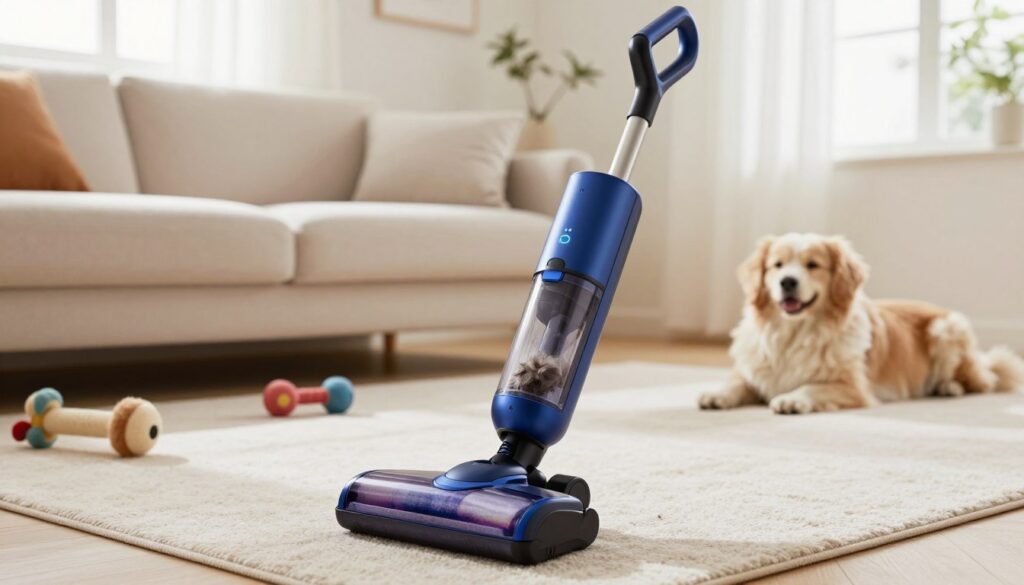
Handheld Options for Quick Cleanups
Handheld vacuums are perfect for quick cleanups, especially for pet owners with multiple pets or for cleaning furniture and stairs.
By considering these options and features, pet owners can find the perfect pet hair vacuum to suit their needs, making the task of managing pet hair less daunting.
Protecting Your Furniture from Pet Hair
Protecting your furniture from pet hair can be a daunting task, but there are several strategies that can help. Pet owners often find themselves battling against the constant shedding, but with the right techniques, it’s possible to minimise the impact on your furniture.
Selecting Pet-Friendly Furniture Materials
One of the most effective ways to protect your furniture is by choosing materials that are resistant to pet hair. Leather and microfiber are excellent options as they are easy to clean and less likely to trap pet hair. Unlike fabric sofas, these materials can be quickly wiped down, reducing the accumulation of pet hair.
Effective Furniture Covers and Slipcovers
Using furniture covers or slipcovers is another practical solution. These can be easily removed and washed, providing a quick fix for pet hair accumulation. Look for covers made from pet-friendly materials that are designed to resist hair.
DIY Solutions for Furniture Protection
For those on a budget, DIY solutions can be effective. Using a lint roller or a damp cloth can help remove pet hair from furniture surfaces. Additionally, creating your own slipcovers or using throw blankets can protect your furniture while adding a decorative touch.
Training Pets to Stay Off Certain Furniture
Training your pets to stay off certain pieces of furniture can significantly reduce pet hair accumulation. Consistent training and positive reinforcement can help. Providing pet-friendly alternatives like pet beds can encourage your pets to stay off restricted furniture.
By implementing these strategies, you can enjoy a cleaner, more comfortable living space with your pets. Effective fur control and pet hair removal start with choosing the right furniture and maintaining it properly.
Laundry Strategies to Tackle Pet Hair
Pet hair seems to cling to everything, making laundry day a challenge for many pet owners. However, there are several strategies that can make this task easier and more efficient.
Pre-Wash Techniques for Hair Removal
Before you even start the washing machine, there are a few pre-wash techniques you can use to remove pet hair from your clothes. One effective method is to use a lint roller or a piece of tape to pick up loose hair. You can also try shaking out your clothes outside or using a damp cloth to wipe down surfaces.
- Use a lint roller to remove loose pet hair
- Shake out clothes outside before washing
- Use a damp cloth to wipe down surfaces and remove pet hair
Washing Machine Tips and Tricks
When it comes to washing clothes with pet hair, there are a few tips to keep in mind. First, wash pet hair-covered clothes separately to prevent hair from spreading to other clothes. You can also add a 1/2 cup of white vinegar to the wash cycle to help reduce static cling and make it easier to remove pet hair.
Dryer Balls and Other Helpful Tools
Dryer balls can be a game-changer when it comes to removing pet hair from your laundry. These balls work by attracting pet hair and reducing static cling, making it easier to remove hair from your clothes. You can also use dryer sheets or fabric softener to help reduce static and make pet hair removal easier.
Dealing with Pet Hair on Different Fabrics
Different fabrics require different approaches when it comes to removing pet hair. For example, cotton and polyester blends can usually be washed and dried as usual, while delicate fabrics like silk or wool may require hand washing or special care. Understanding the type of fabric you’re dealing with can help you choose the best approach for removing pet hair.
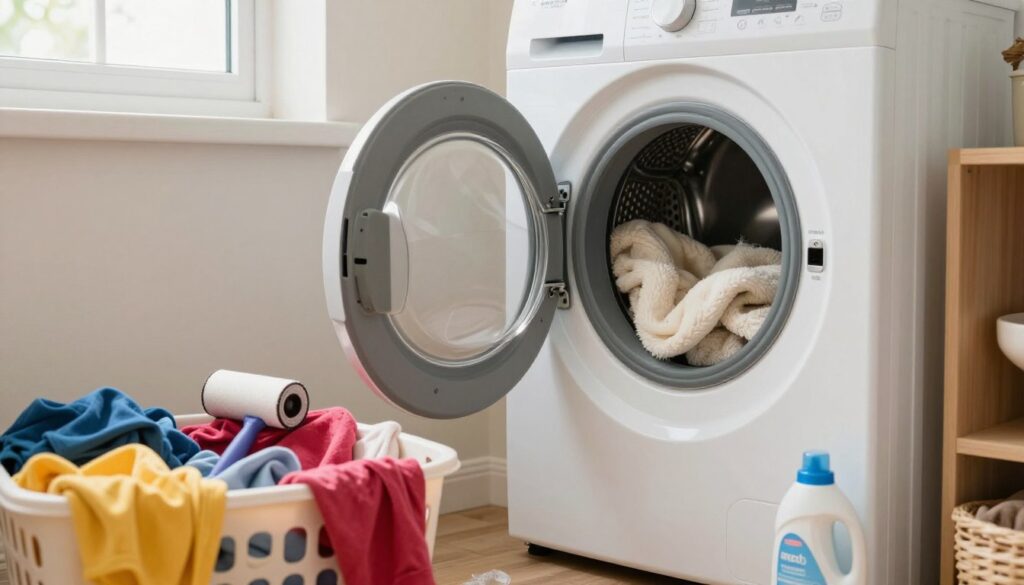
By implementing these laundry strategies, you can make the task of removing pet hair from your clothes and fabrics much easier and less stressful.
Air Quality and Filtration: Reducing Airborne Pet Hair
Pet owners can significantly enhance their home’s air quality by implementing a few simple strategies. Airborne pet hair can exacerbate allergies and decrease the overall comfort of a home. By focusing on air filtration and quality, pet owners can create a healthier living environment.
HEPA Filters and Air Purifiers for Pet Owners
High-Efficiency Particulate Air (HEPA) filters are a crucial tool in reducing airborne pet hair. HEPA filters can capture 99.97% of particles as small as 0.3 microns, including pet dander and hair. Air purifiers equipped with HEPA filters can be placed in high-traffic areas or bedrooms to maximise their effectiveness.
HVAC Maintenance for Pet Households
Regular maintenance of your Heating, Ventilation, and Air Conditioning (HVAC) system is vital for pet owners. This includes changing filters regularly and ensuring that ducts are clean and free of debris. A well-maintained HVAC system can significantly reduce the circulation of pet hair.
Reducing Allergens Associated with Pet Hair
In addition to improving air filtration, reducing allergens associated with pet hair involves regular grooming and cleaning. Using deshedding tools can minimise the amount of hair shed by pets.
Creating Cleaner Air Zones in Your Home
Creating cleaner air zones involves designating areas where pets are not allowed, such as bedrooms, and using air purifiers to maintain cleaner air. This can help reduce exposure to pet hair and dander.
| Strategy | Benefits |
|---|---|
| Using HEPA Filters | Captures 99.97% of particles as small as 0.3 microns |
| Regular HVAC Maintenance | Reduces the circulation of pet hair and dander |
| Creating Pet-Free Zones | Minimises exposure to pet allergens |
Conclusion: Living Harmoniously with Your Furry Friends
Managing pet hair can be a daunting task, but with the right strategies, it is achievable. By understanding why pets shed and implementing effective grooming techniques, you can significantly reduce the amount of pet hair in your home.
Combining regular grooming with the right tools, such as deshedding brushes and pet hair vacuums, will make fur management more manageable. Additionally, protecting your furniture and using laundry strategies tailored to pet hair can further minimise its impact.
By incorporating these practical solutions into your daily routine, you can create a cleaner, stress-free home where you and your pets can thrive. Effective fur management is about finding the right balance and being consistent in your efforts.