

The way we care for our furry friends has undergone a significant transformation with the rise of online platforms. From Instagram-famous dogs to viral cat reels, the influence of digital channels on pet care is undeniable.
Trends like online vet advice, pet communities, and adoption awareness have become increasingly popular, making it easier for pet owners to access valuable resources and connect with others who share similar experiences. However, there are also concerns about the risks of misinformation and the impact of online trends on pet parenting.
Key Takeaways
- Social media has transformed the way we care for our pets.
- Online platforms provide access to valuable resources and communities.
- Pet owners must be cautious of misinformation online.
- Responsible social media use is crucial for pet parenting.
- Pet influencers and online trends can have a significant impact.
The Evolution of Social Media Pet Parenting
Social media has revolutionized pet parenting, changing how we share, care, and connect over our pets. The digital landscape has transformed the traditional ways of pet care and ownership into a more communal and informative experience.
The Digital Transformation of Pet Care
The way we care for our pets has become more sophisticated with the help of social media. Pet owners now have access to a vast array of resources, from veterinary advice to product recommendations, all shared and discussed on various platforms. This digital transformation has made pet care more accessible and personalized.
How Pet Ownership Became a Shared Experience
Pet ownership is no longer a solitary experience; it’s now a shared journey facilitated by social media. Platforms like Instagram and Facebook have enabled pet owners to share their pets’ lives, seek advice, and connect with others who have similar interests or experiences.
Historical Context: From Photo Albums to Instagram
The evolution from traditional photo albums to Instagram showcases the significant shift in how we share our pets’ lives. Key milestones include:
- The rise of pet blogging and YouTube channels dedicated to pets
- The emergence of pet influencers and their impact on pet care trends
- The growth of online communities centered around pet care and ownership
These changes highlight how social media has not only changed how we share our pets’ lives but also how we care for them, making it a more communal and informed experience.
Pet Influencers: When Your Furry Friend Becomes Famous
In the age of social media, pets are becoming internet sensations, changing the landscape of pet parenting. With their adorable faces and charming personalities, it’s no wonder that pets are capturing the hearts of millions online.
The Economics of Pet Celebrity
The rise of pet influencers has created a new economy where pet owners can earn money through sponsored posts, merchandise sales, and affiliate marketing. Popular pet influencers can command thousands of dollars per post, making it a lucrative opportunity for dedicated pet owners.
Behind the Scenes of Pet Content Creation
Creating engaging content for pet influencers requires significant effort and dedication. Pet owners must balance their pet’s online presence with their real-life care, ensuring that the pet’s well-being is not compromised for the sake of fame.
Time Investment and Dedication
Managing a pet’s social media presence demands a considerable time investment. Owners must regularly post high-quality content, engage with followers, and stay up-to-date with the latest social media trends.
Equipment and Skills Needed
To create compelling content, pet owners need good camera equipment, editing skills, and an understanding of what makes engaging content. Many pet owners invest in professional photography equipment and editing software to enhance their pet’s online presence.
As pet influencers continue to gain popularity, it’s essential for pet owners to be aware of the opportunities and challenges that come with managing a pet’s online fame. By understanding the economics and demands of pet influencing, owners can make informed decisions about their pet’s online presence.
Virtual Veterinary Care in the Social Media Age
As social media continues to shape pet parenting, virtual veterinary care is emerging as a significant trend. Pet owners are increasingly turning to online platforms for advice on pet health, making it easier to access veterinary care from the comfort of their own homes.
Telehealth Options for Pets
Telehealth services for pets have become more prevalent, allowing owners to consult with veterinarians remotely. This can be particularly beneficial for pets that are anxious or stressed by traditional vet visits.
- Convenience: Consult from home, reducing stress for pets.
- Accessibility: Reach veterinarians who may not be locally available.
- Cost-effective: Often less expensive than in-person visits.
When Online Advice Should Be Questioned
While online advice can be helpful, it’s crucial to question the credibility of sources. Not all information available on social media is accurate or reliable.
Be cautious of:
- Unverified sources
- Advice not tailored to your pet’s specific needs
- Potential misdiagnosis due to lack of physical examination
Finding Credible Veterinary Information Online
To ensure you’re getting reliable advice, look for information from reputable sources such as veterinary schools, professional veterinary associations, and established pet health websites.
Red Flags in Online Pet Health Advice
Be wary of advice that:
- Seems too good (or bad) to be true
- Lacks scientific backing
- Is overly promotional or sales-oriented
By being mindful of these factors, pet owners can navigate the complex world of virtual veterinary care and make informed decisions about their pets’ health.
Building Community: How Social Media Connects Pet Parents
The rise of social media has created a global community of pet parents who connect, share experiences, and offer support. This digital landscape has transformed the way pet owners interact, making it easier for them to find like-minded individuals and resources.
Breed-Specific Groups and Forums
One of the most significant ways social media connects pet parents is through breed-specific groups and forums. On platforms like Facebook, these groups have become invaluable resources for owners of specific breeds, allowing them to share knowledge, ask questions, and show off their pets. For instance, a facebook pet parenting community dedicated to Labrador Retrievers might discuss training tips, health issues, and share adorable photos of their pets.
Local Pet Meetups Organized Online
Social media also facilitates local pet meetups, bringing together pet owners in the same geographical area. These meetups can range from casual park gatherings to organized hiking trips, all planned and coordinated through social media platforms. It’s a great way for pets to socialize and for owners to exchange social media tips for pet owners, such as recommending pet-friendly locations.

Support Networks for Special Needs Pets
For pets with special needs, social media provides a lifeline of support and advice. Owners can connect with others facing similar challenges, sharing experiences and advice on caring for their pets. These support networks are invaluable, offering emotional support and practical tips.
Success Stories from Connected Pet Parents
The impact of these online communities is best seen in the success stories of pet parents who have benefited from them. From finding homes for pets in need to getting advice on dealing with behavioral issues, the positive outcomes are numerous.
| Community Type | Benefits | Examples |
|---|---|---|
| Breed-Specific | Knowledge sharing, socialization | Facebook groups for Labrador Retrievers |
| Local Meetups | Pet socialization, owner networking | Park gatherings, hiking trips |
| Special Needs Support | Emotional support, practical advice | Online forums for pets with disabilities |
By leveraging social media, pet parents can build a supportive community that enhances their pets’ lives and their own. Whether it’s through breed-specific groups, local meetups, or support networks, the connections made online can have a lasting, positive impact.
Social Media’s Impact on Pet Adoption and Rescue
In recent years, social media has played a pivotal role in transforming pet adoption and rescue efforts across the United States. The platforms have not only raised awareness about pet adoption but have also directly influenced the number of successful adoptions.
When Viral Posts Save Lives: Adoption Success Stories
Social media’s power to make a post go viral has been a game-changer for many pets waiting for a home. There are numerous stories of pets being adopted after their photos or videos were shared widely on platforms like Facebook, Instagram, and Twitter.
For instance, a dog named Max was adopted after his heartwarming story was shared on Facebook, reaching over a million people. Such stories highlight the potential of social media to change the lives of pets in shelters.
Fundraising for Animal Causes Through Social Platforms
Social media is not just about sharing photos; it’s also a powerful tool for fundraising. Many animal shelters and rescue organizations have successfully raised funds for medical care, food, and other necessities through targeted campaigns on social media.
How Shelters Are Leveraging Social Media
Animal shelters are increasingly leveraging social media to promote adoptable pets. By creating engaging content, shelters can attract potential adopters and showcase the pets available for adoption.
Best Practices for Promoting Adoptable Pets
To maximize their online impact, shelters should follow best practices such as posting high-quality photos and videos, using relevant hashtags, and engaging with their followers by responding to comments and messages.
| Best Practice | Description | Benefit |
|---|---|---|
| High-Quality Visuals | Use clear, well-lit photos and videos | Attracts more views and engagement |
| Relevant Hashtags | Use popular pet adoption and rescue hashtags | Increases post visibility |
| Engagement | Respond to comments and messages promptly | Builds a community and trust |
By adopting these strategies, shelters can enhance their online presence and increase the chances of pets being adopted.
The Dark Side: Misinformation and Comparison Culture
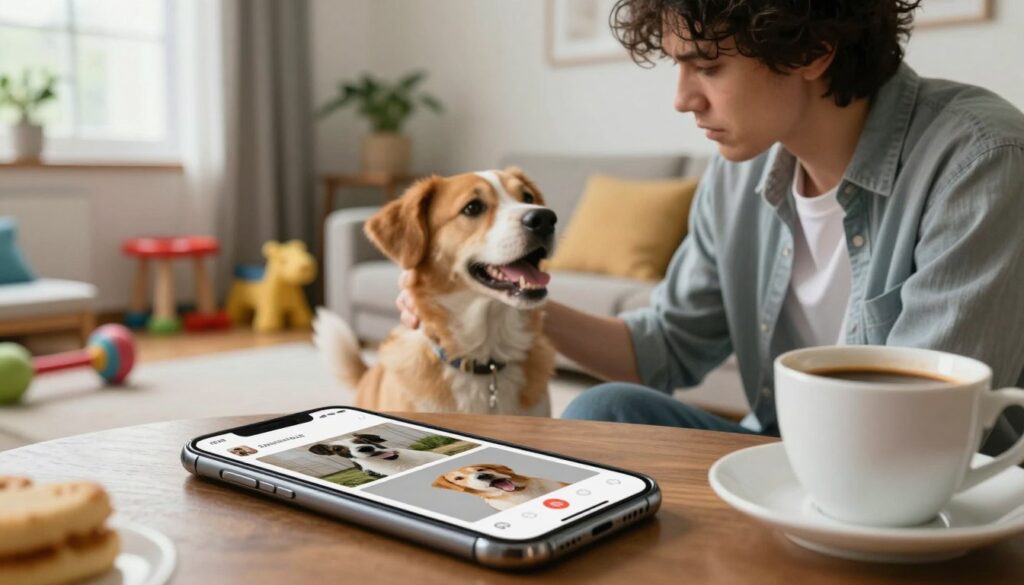
Social media’s influence on pet parenting is a double-edged sword, offering both valuable advice and potential pitfalls. While it provides a platform for pet owners to share experiences and seek advice, it also spreads misinformation and fosters a comparison culture.
Dangerous Pet Trends and Challenges
One of the most significant risks associated with social media pet parenting is the emergence of dangerous pet trends and challenges. These can range from feeding pets inappropriate diets to encouraging risky behaviors. For instance, some trends have led to pets being fed chocolate or other toxic substances, thinking it’s a harmless joke.
The Pressure of “Perfect Pet Parenting”
Social media often presents a curated version of pet parenting, showcasing perfect pets and perfect owners. This can create unrealistic expectations and pressure on pet owners to conform to these ideals. The reality is that every pet is different, and what works for one may not work for another.
How to Spot and Avoid Bad Advice
Critically evaluating online advice is crucial. Here are some tips to help pet owners navigate the complex world of social media pet advice:
- Verify information through reputable sources.
- Be wary of advice that seems too good (or bad) to be true.
- Consult with a veterinarian before making significant changes.
Teaching Critical Thinking for Pet Content
It’s essential to teach pet owners, especially younger ones, to think critically about the pet content they consume online. This includes understanding that not all advice is created equal and that some trends or challenges can be harmful.
| Tip | Description |
|---|---|
| Verify Information | Always check if the advice is backed by reputable sources or experts. |
| Be Cautious | If the advice seems too good or too extreme, it might be misinformation. |
| Consult a Vet | Before making any significant changes, consult with a veterinarian. |
By being aware of the potential downsides of social media pet parenting and taking steps to critically evaluate online advice, pet owners can navigate this complex landscape more effectively.
Platform-Specific Pet Communities
The world of pet parenting has become increasingly intertwined with social media, with various platforms catering to different aspects of pet care and community building. As a result, pet parents can now choose from a variety of online environments to share their experiences, seek advice, and connect with others who share similar interests and challenges.
Instagram: Visual Pet Storytelling
Instagram has become a hub for pet parenting on Instagram, with its visually-driven platform allowing users to share high-quality images and videos of their pets. The use of hashtags like #petsofinstagram and #dogsofinstagram has created a vast and engaged community where pet parents can share their pet’s story and connect with others.
Facebook Groups for Pet Parents
Facebook Groups have emerged as a popular platform for pet parents to connect over shared interests and concerns. These groups often focus on specific breeds, health issues, or local pet communities, providing a safe space for pet parents to ask questions, share advice, and support one another. The Facebook pet parenting community is vast and diverse, offering a wealth of knowledge and camaraderie.
TikTok’s Pet Content Revolution
TikTok has revolutionized the way pet content is consumed, with its short-form videos capturing the playful, entertaining, and often heartwarming moments of pet ownership. The platform’s algorithm-driven “For You” page ensures that pet content reaches a wide audience, making it a great place for pet parents to discover new trends, products, and advice.
Reddit’s Specialized Pet Forums
Reddit offers a unique space for pet parents through its specialized forums, known as subreddits. Communities like r/pets and r/dogs provide a platform for in-depth discussions, advice-seeking, and sharing personal pet stories. The anonymity of Reddit allows users to share their experiences openly, creating a valuable resource for pet parents seeking honest advice.
Emerging Platforms for Pet Content
As social media continues to evolve, new platforms are emerging that cater to pet parents. For instance, platforms focused on live streaming and virtual events are becoming increasingly popular, offering new ways for pet parents to engage with each other and with pet-related businesses. Keeping an eye on these emerging platforms can help pet parents stay ahead of the curve and connect with others in innovative ways.
Responsible Social Media Pet Parenting
As pet owners increasingly turn to social media to share their furry friends’ adventures, it’s crucial to navigate this digital landscape responsibly. Social media has become a significant part of modern pet parenting, offering a platform to share experiences, seek advice, and connect with other pet owners.
Setting Boundaries for Your Pet’s Online Presence
When sharing your pet on social media, it’s essential to set boundaries to protect their well-being and your family’s privacy. This includes being mindful of the information and images you share, avoiding overexposure, and ensuring that your pet is not subjected to unnecessary stress or harm.
Tips for setting boundaries: Limit the frequency of posts, avoid using your pet for commercial purposes without proper consideration, and be cautious about geotagging to prevent revealing your home location.
Privacy and Safety Considerations
Pet owners must consider privacy and safety when sharing their pet’s life online. This involves protecting personal information, being aware of potential scams or malicious activities targeting pet owners, and ensuring that your pet’s online presence does not compromise their safety or well-being.
- Be cautious with personal details and location sharing.
- Monitor comments and messages for suspicious activity.
- Keep your pet’s identification and health information private.
Balancing Online Sharing with Real-Life Care
While social media can enhance your pet parenting experience, it’s crucial to balance online activities with real-life care. Ensure that time spent on social media does not detract from providing the necessary care, attention, and interaction your pet needs.
Creating a Healthy Relationship with Pet Social Media
To maintain a healthy relationship with social media as a pet owner, it’s vital to be aware of the potential impacts on both you and your pet. This includes managing screen time, avoiding comparisons with other pet owners, and focusing on the positive aspects of sharing your pet’s life.
By being mindful of these factors, pet owners can enjoy the benefits of social media while ensuring the well-being of their pets.
Conclusion: The Future of Pet Parenting in a Digital World
As social media continues to evolve, its influence on pet parenting is becoming increasingly profound. From pet influencers to virtual veterinary care, the digital landscape is transforming the way pet owners care for their pets and connect with others. Social media platforms for pet parents have become essential resources, providing a wealth of information, support, and community.
A pet parenting blog on social media can be a valuable tool for pet owners, offering advice, guidance, and reassurance. As we look to the future, it’s clear that social media will continue to play a vital role in shaping the pet parenting experience. By embracing the opportunities and challenges presented by social media, pet owners can ensure they’re providing the best possible care for their pets.
The future of pet parenting is likely to be characterized by increased connectivity, improved access to information, and a growing emphasis on animal welfare. As social media continues to evolve, it’s essential that pet owners, veterinarians, and animal welfare organizations work together to ensure that the online pet parenting community remains a positive and supportive resource for all.