

As the weather changes, many pet owners notice shifts in their pets’ behaviour and overall well-being. Understanding how different seasons impact your pet is crucial for providing the best care.
Weather conditions like heat, cold, and humidity can significantly impact your pet’s appetite, energy levels, and coat condition. For instance, hot summer days can lead to decreased appetite and increased lethargy, while cold winter months may cause dry skin and reduced energy.
By recognising these seasonal shifts, you can take proactive steps to ensure your pet remains happy and healthy throughout the year.
Key Takeaways
- Weather changes can impact your pet’s health and mood.
- Adjusting care routines according to the season can help.
- Summer heat can cause lethargy and decreased appetite.
- Cold winter months may lead to dry skin and reduced energy.
- Understanding these changes is key to providing the best pet care.
Understanding Your Pet’s Sensitivity to Weather Changes
Weather changes can significantly impact pets, affecting their mood, energy levels, and overall well-being. Pets, like humans, can be sensitive to changes in the weather, but their reactions can vary greatly depending on their breed, species, and individual characteristics.
Why Pets React Differently to Seasonal Shifts
The reaction of pets to seasonal changes is influenced by several factors, including their genetic predisposition, acclimatisation, and environmental conditions. For instance, some breeds are more adapted to cold weather, while others prefer warmer climates.
Breed-Specific and Species-Specific Weather Sensitivities
Different breeds and species of pets have unique sensitivities to weather changes. Understanding these differences is crucial for providing appropriate care.
Dogs vs. Cats: Different Seasonal Responses
Dogs and cats exhibit different responses to seasonal changes. For example, dogs may require more exercise in winter to stay healthy, while cats may need more protection from the sun in the summer.
| Season | Pet Health Impact | Care Tips |
|---|---|---|
| Summer | Heat stress, dehydration | Provide plenty of water, shade, and limit exercise to cooler parts of the day |
| Winter | Cold stress, dry skin | Provide warm shelter, use pet-safe heaters, and moisturise skin |
| Spring | Allergies, increased parasite activity | Monitor for allergy symptoms, use parasite control measures |
By understanding how different factors influence pet health in various seasons, owners can take proactive steps to ensure their pets remain healthy and happy throughout the year.
How Seasonal Changes Affect Pets: The Biological Perspective
Seasonal variations have a profound impact on pets’ biological rhythms, hormonal balance, and metabolic rates. As the Earth’s tilt changes throughout the year, it affects the duration of daylight, temperature, and weather patterns, all of which can significantly influence a pet’s physiological and psychological state.
Circadian Rhythm Disruptions
The changing daylight hours across different seasons can disrupt a pet’s internal clock, or circadian rhythm. This disruption can affect their sleep patterns, leading to potential issues such as insomnia or lethargy. Pets, like humans, have an innate circadian rhythm that is regulated by exposure to natural light and darkness. When this rhythm is disrupted, it can impact their overall health and behaviour.
Hormonal Fluctuations Throughout the Year
Seasonal changes can also trigger hormonal fluctuations in pets. For instance, the increase in daylight during spring can stimulate the production of certain hormones that affect a pet’s mood and energy levels. Conversely, the decrease in daylight during winter can lead to a different set of hormonal changes, potentially causing seasonal affective disorder or other mood-related issues.
Metabolic Changes in Different Seasons
The metabolic rate of pets can vary with the seasons. In colder months, pets may require more calories to maintain their body heat, whereas in hotter months, they may need more hydration to stay cool. Understanding these metabolic changes is crucial for pet owners to adjust their pet’s diet and ensure they remain healthy throughout the year.
By recognising how seasonal changes affect pets biologically, owners can make informed decisions about their pet care, including adjustments to their diet, exercise, and overall management, to keep their pets healthy and comfortable across different seasons.
Summer Heat and Your Pet’s Well-being
Hot weather poses significant health risks to pets, making summer a critical time for pet owners. As the temperature rises, it’s essential to understand how the heat affects your pet’s overall well-being.
Heat Stress and Dehydration Risks
Heat stress and dehydration are major concerns during the summer months. Pets, especially those with thick coats or brachycephalic breeds, are at higher risk. Never leave your pet in a parked car, as the temperature can quickly become life-threatening. Ensure your pet has access to plenty of fresh water and a cool, shaded area to retreat to.
Changes in Appetite During Hot Weather
During hot weather, some pets may experience a decrease in appetite. This is normal, as they try to reduce their metabolic heat production. However, it’s crucial to ensure they stay hydrated. Offering wet food or cooling treats can help make them more comfortable and encourage eating.
Summer Coat Shedding Patterns
Many pets shed their coats during summer to stay cool. Regular grooming can help manage this process and prevent matting. Brushing your pet regularly not only reduces shedding but also helps distribute skin oils, promoting healthy skin.
Protecting Light-Coated Pets from Sunburn
Light-coated pets are at risk of sunburn, particularly on sensitive areas like the nose and ears. Using pet-safe sunscreen and providing shade can help protect them. Limiting their exposure to direct sunlight during peak hours is also advisable.
By understanding these risks and taking proactive steps, you can help ensure your pet remains safe and healthy throughout the summer.
Winter’s Impact on Pet Health and Behaviour
Winter brings a unique set of health and behavioural challenges for pets that owners should be aware of. The cold weather can affect pets in various ways, from their physical health to their mood and behaviour.
Cold Weather Joint Pain and Mobility Issues
Cold weather can exacerbate joint pain and mobility issues in pets, especially in older animals or those with pre-existing conditions like arthritis. The cold, damp weather can cause stiffness and discomfort, making it harder for pets to move around.
Increased Appetite and Weight Management
Some pets may experience an increase in appetite during the winter months due to decreased activity levels and the body’s need to generate more heat. However, this can lead to weight gain if not managed properly through diet and exercise.
Winter Coat Development and Maintenance
Many pets develop a thicker winter coat to keep warm during the cold months. Regular grooming is essential to prevent matting and tangling, and to ensure their coat remains healthy and shiny.
Mood Changes During Shorter Days
The shorter days of winter can affect a pet’s mood, with some becoming more lethargic or anxious. Providing adequate exercise, mental stimulation, and a comfortable environment can help mitigate these mood changes.
| Winter Care Tips | Benefits |
|---|---|
| Regular Grooming | Prevents matting, reduces shedding |
| Balanced Diet | Manages weight, supports overall health |
| Indoor Exercise | Maintains mobility, reduces joint pain |
By understanding these challenges and taking proactive steps, pet owners can help ensure their pets remain healthy and happy throughout the winter season.
Spring Challenges: Allergies and Activity Changes
Spring brings renewal, but for pets, it also brings allergies and increased energy levels. As the season changes, pet owners must adapt their care routines to address these challenges.
Seasonal Allergies in Pets: Symptoms and Triggers
Seasonal allergies can cause significant discomfort for pets, manifesting as itching, scratching, and skin infections. Common allergens include pollen from trees, grasses, and weeds. Monitoring your pet’s behaviour and health closely during spring is crucial to identifying allergy symptoms early.
Adjusting to Increased Daylight and Energy Levels
As daylight hours increase, many pets experience a surge in energy levels. This change requires adjustments to their exercise routine to keep them active and healthy. Increasing playtime and outdoor activities can help manage this excess energy, but it’s essential to do so gradually to avoid exhaustion.
Spring Parasite Prevention Essentials
Spring is a critical time for parasite prevention. Fleas, ticks, and mosquitoes become more active, posing risks to pet health. Using preventive measures such as topical treatments, medications, and maintaining a clean environment can significantly reduce these risks.
| Parasite | Prevention Method | Benefits |
|---|---|---|
| Fleas | Topical treatments, flea combs | Reduces flea allergy dermatitis |
| Ticks | Tick repellents, regular checks | Prevents tick-borne diseases |
| Mosquitoes | Mosquito repellents, eliminating standing water | Reduces the risk of heartworms |
By understanding and addressing these spring challenges, pet owners can help ensure their pets remain healthy and happy throughout the season.
Fall Transitions: Preparing Your Pet for Winter
As the fall season progresses, it’s essential to prepare your pet for the upcoming winter months. The changing environment and decreasing temperatures can significantly impact your pet’s health and well-being.
Behavioural Changes During Decreasing Daylight
The reduction in daylight hours during the fall can lead to behavioural changes in pets, such as increased anxiety or lethargy. Monitoring your pet’s behaviour and adjusting their routine can help mitigate these changes.
Coat Transitions and Skin Care Needs
As the weather cools, many pets undergo a coat transition, growing a thicker coat to prepare for winter. Regular grooming is crucial during this period to prevent matting and tangling, and to ensure their skin remains healthy.
Adjusting Exercise Routines for Cooler Weather
With the onset of cooler weather, it’s essential to adjust your pet’s exercise routine to maintain their physical health. Increasing outdoor activities or switching to indoor exercises can help keep your pet active and engaged.
| Seasonal Change | Pet Care Adjustment |
|---|---|
| Decreasing Daylight | Monitor behaviour, adjust routine |
| Coat Transition | Regular grooming, skin care |
| Cooler Weather | Adjust exercise routine |

By making these adjustments during the fall, you can help ensure your pet remains healthy and comfortable throughout the winter months.
How Humidity Affects Your Pet’s Comfort and Health
Humidity levels can significantly impact your pet’s comfort and overall health. Pets, like humans, can be sensitive to changes in humidity, which can affect their skin, coat, and respiratory health.
High humidity can be particularly challenging for certain breeds. Brachycephalic breeds, such as Pugs and Bulldogs, can struggle with breathing in humid conditions due to their short nasal passages.
High Humidity Challenges for Brachycephalic Breeds
Brachycephalic breeds are more susceptible to heat stress in high humidity because their breathing difficulties are exacerbated. It’s essential to keep them cool and monitor their health closely during humid weather.
Dry Air Effects on Skin and Respiratory Health
On the other hand, dry air can cause skin irritation and respiratory issues in pets. Dry skin can lead to itching and discomfort, while respiratory problems can range from mild to severe.
Managing Skin and Coat Issues in Changing Humidity
To manage skin and coat issues, pet owners can adjust their grooming routine according to the humidity levels. Using a humidifier or dehumidifier can also help maintain a comfortable environment for pets.
Recognising Signs of Seasonal Discomfort in Your Pet
As the seasons change, your pet’s comfort and health can be significantly affected. It’s essential to recognise the signs of seasonal discomfort to ensure your pet remains happy and healthy throughout the year.
Behavioural Indicators of Weather-Related Stress
Changes in your pet’s behaviour can be a significant indicator of their discomfort due to seasonal changes. Some common behavioural changes include:
- Changes in appetite or energy levels
- Increased anxiety or restlessness
- Altered sleep patterns
Being aware of these changes can help you identify if your pet is experiencing weather-related stress.
Physical Symptoms of Seasonal Health Issues
Seasonal changes can also manifest in physical symptoms. Some common issues include:
- Skin irritations or allergies
- Respiratory problems
- Joint pain or stiffness
Monitoring your pet’s physical health during seasonal transitions is crucial for early detection and management of these issues.
When to Consult Your Veterinarian About Seasonal Changes
If you notice any significant changes in your pet’s behaviour or physical health, it’s always best to consult with your veterinarian. They can provide guidance on managing seasonal discomfort and ensuring your pet’s overall health.
By being proactive and aware of the signs of seasonal discomfort, you can help your pet navigate the challenges of changing weather conditions.
Essential Summer Care Tips for Pets
With rising temperatures, pet owners must take extra precautions to ensure their pets remain comfortable and safe. Summer requires special attention to keep your furry friends healthy and happy.
Preventing Heatstroke and Dehydration
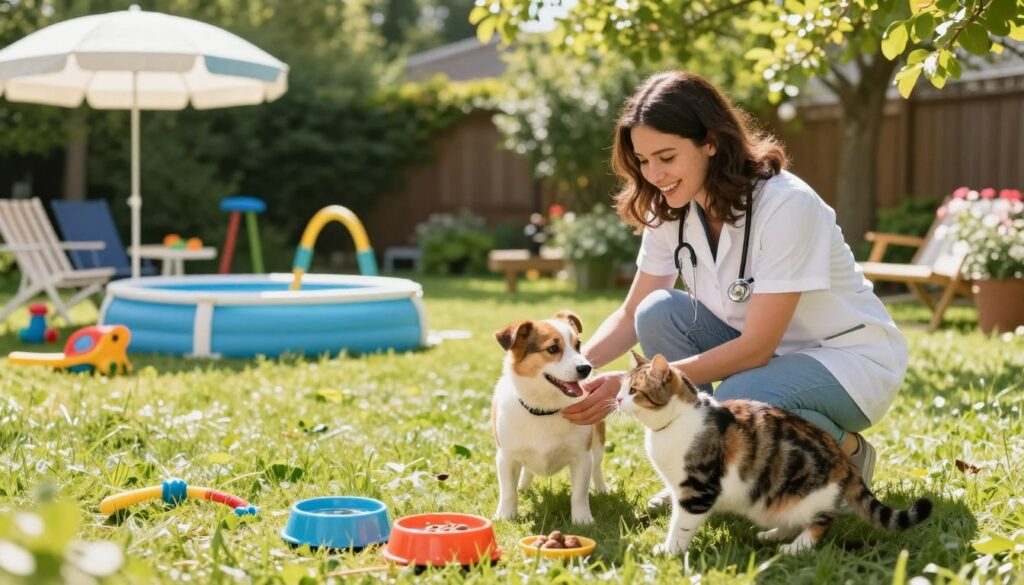
One of the most critical aspects of summer pet care is preventing heatstroke and dehydration. Ensure your pet always has access to plenty of fresh water and shade. Limit exercise to cooler parts of the day, such as early morning or evening, to avoid heat exhaustion.
Paw Protection on Hot Surfaces
Hot surfaces like asphalt and sand can cause burns and discomfort to your pet’s paws. Try to schedule walks during cooler times or use protective booties to safeguard their paws.
Summer Grooming Essentials
Regular grooming is essential during the summer. Brushing your pet’s coat helps remove loose hair and can keep them cooler. Some pets may benefit from a summer trim, but be cautious not to shave certain breeds too short, as their coat protects them from sunburn.
Cooling Strategies for Different Pet Types
Different pets require different cooling strategies. For example, cooling vests can be beneficial for dogs that are active during the day. Cats might appreciate a cool, damp cloth to lie on. Understanding your pet’s specific needs can help you choose the best cooling method.
By following these summer care tips, you can help ensure your pets stay safe, healthy, and comfortable throughout the season.
Winter Pet Care Strategies
As winter approaches, it’s crucial to adjust your pet care routine to ensure your furry friends stay healthy and comfortable. The cold weather brings unique challenges that require special attention to your pet’s diet, exercise, and overall well-being.
Protecting Pets from Cold and Ice
Protecting your pets from the harsh effects of cold and ice is vital. This includes providing a warm shelter, adjusting their exercise routine to avoid icy surfaces, and using protective gear like coats and boots for outdoor adventures.
- Use pet-friendly ice melt products to avoid harming your pet’s paws.
- Limit outdoor time to prevent exposure to extreme cold.
- Consider using a pet coat or sweater for added warmth.
Indoor Exercise Solutions
Indoor exercises can help keep your pets active during the cold winter months. Engage your pets in playtime with toys, or try indoor agility training to maintain their physical and mental health.
“Indoor activities not only keep your pets physically fit but also provide mental stimulation, reducing the risk of boredom and stress.” – Pet Care Expert
Winter Nutrition Adjustments
Nutritional adjustments are crucial during winter. Pets may require more calories to stay warm, but it’s essential to balance this with their activity level to avoid weight gain.
| Nutritional Element | Winter Adjustment |
|---|---|
| Caloric Intake | Increase for active pets, monitor for less active pets. |
| Hydration | Ensure access to fresh water at all times. |
| Supplements | Consult a vet about adding omega-3 supplements for coat health. |
Special Considerations for Senior Pets in Winter
Senior pets require extra care during winter due to their decreased mobility and potential health issues. Regular veterinary check-ups, a warm and comfortable resting place, and adjustments to their diet and exercise routine are crucial.
Managing Your Pet During Rainy Seasons
Pet care during the rainy season involves more than just keeping your pet dry; it’s about maintaining their overall well-being. As the weather changes, so do the needs of your pet.
Keeping Pets Dry and Comfortable
To keep your pet comfortable during rainy seasons, provide a dry, warm place for them to rest. Using waterproof gear such as coats and boots,s can be beneficial. After being outside, dry your pet thoroughly to prevent chill.
Preventing Moisture-Related Skin Issues
Moisture can lead to various skin issues in pets, including fungal infections and dermatitis. Regular grooming and keeping your pet dry are crucial. Inspect your pet’s skin regularly for any signs of irritation or infection.
Indoor Enrichment During Wet Weather
Rainy weather means more time indoors. Engage your pet with indoor enrichment activities like puzzle toys, indoor fetch, or scent games to keep them stimulated and active.
Paw Care for Muddy Conditions
For pets that enjoy playing outside, muddy conditions can be a challenge. Clean their paws thoroughly after walks, and consider paw balms to protect against dryness and irritation.
By following these tips, you can help ensure your pet remains happy and healthy throughout the rainy season.
Conclusion: Adapting Pet Care to Nature’s Cycles
As the seasons change, it’s essential to adjust our pet care routines to ensure their overall health and well-being. By understanding how seasonal changes affect our pets, we can provide the best possible care, adapting to nature’s cycles to keep them healthy, happy, and comfortable.
From summer heat to winter cold, and from spring allergies to autumn coat changes, each season brings unique challenges and opportunities for pet care. By being aware of these changes and adjusting our care accordingly, we can help our pets thrive in any season.
Effective pet care during seasonal changes involves more than just reacting to the weather; it’s about proactively managing our pets’ health through the year. This includes adjusting their exercise routines, nutrition, and grooming to meet the demands of each season, ultimately ensuring their seasonal health.
By following the tips and strategies outlined in this article, pet owners can ensure they’re giving their pets the care they need to adapt to nature’s cycles, promoting a happy and healthy life throughout the year.