
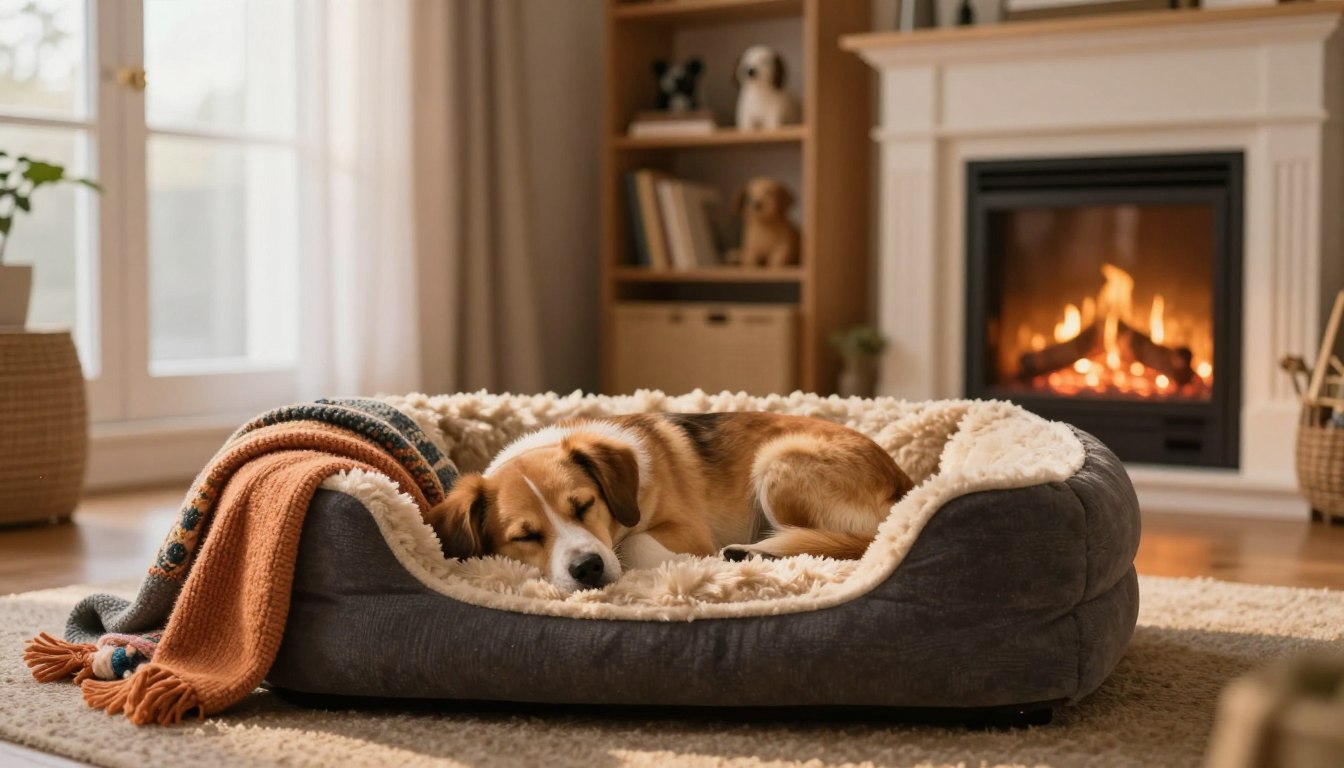
Just like humans, pets need a peaceful and comfortable area to rest and recharge. A well-designed cozy pet bed can significantly improve the quality of their rest, contributing to their overall health and happiness.
Creating the perfect pet sleeping space involves considering several factors, including the type of bed, its placement, temperature control, lighting, cleanliness, and personalized comfort based on breed, age, and health needs.
This comprehensive guide will walk you through these essential elements, providing DIY and budget-friendly ideas to help you create a serene and inviting area for your pet.
Key Takeaways
- Choose the right type of bed for your pet based on their breed and age.
- Consider the placement of the bed to ensure comfort and safety.
- Control temperature and lighting to create a restful environment.
- Maintain cleanliness to promote health and hygiene.
- Personalize the space to meet your pet’s specific needs.
Understanding Your Pet’s Sleeping Needs
A well-designed pet sleeping space begins with insight into your pet’s sleep patterns and preferences. Understanding these needs is crucial for creating a comfortable pet sleeping area that promotes restful sleep and overall well-being.
Natural Sleeping Behaviors of Different Pets
Dogs and cats, the most common household pets, exhibit different natural sleeping behaviors. Dogs often sleep in curled-up or stretched-out positions, while cats prefer to curl up or sleep in enclosed spaces. Understanding these behaviors can help you create a pet relaxation corner that caters to their instinctual needs.
Sleep Duration and Quality for Optimal Pet Health
The sleep duration and quality significantly impact your pet’s health. On average, dogs sleep for 12-14 hours a day, while cats sleep for 16-18 hours. Ensuring your pet gets quality sleep is vital for their physical and mental health. Factors such as comfort, safety, and minimal disturbances contribute to optimal sleep quality.
| Pet Type | Average Sleep Duration (hours) | Factors Affecting Sleep Quality |
|---|---|---|
| Dogs | 12-14 | Comfort, noise level, temperature |
| Cats | 16-18 | Security, darkness, quiet |
Signs Your Pet Isn’t Comfortable with Their Current Setup
If your pet is restless, has difficulty settling down, or avoids their sleeping area, it may be a sign that their current setup is not comfortable. Other signs include excessive shedding, anxiety, or irritability. Observing these signs can prompt you to make necessary adjustments to create a more inviting and restful pet sleeping area.
As noted by pet care experts, “A comfortable pet sleeping area is not just a luxury, it’s a necessity for your pet’s overall health and happiness.” Ensuring your pet’s sleeping needs are met is a crucial aspect of responsible pet ownership.
Choosing the Perfect Pet Bed: Types and Materials
The quest for the perfect pet bed involves considering various types and materials to create a cozy sleeping space for your pet. A well-designed pet bed can significantly enhance your pet’s sleep quality, contributing to their overall health and happiness.
Cushion and Pillow Beds
Cushion and pillow beds offer a soft and comfortable resting place for pets. These beds are often filled with plush materials that provide the necessary support and comfort for a good night’s sleep. They come in various sizes and can be easily placed in different areas of the home.
Nest and Bolster Beds
Nest and bolster beds are designed to provide a sense of security and comfort. The bolster sides allow pets to rest their heads or feel enclosed, making them ideal for pets that like to curl up. These beds are particularly popular among cat owners and smaller dog breeds.
Orthopedic and Memory Foam Options
For pets with joint issues or older pets, orthopedic and memory foam beds are highly recommended. These beds provide extra support and can help alleviate pain by conforming to the pet’s body shape. They are a great investment for maintaining your pet’s joint health.
Heated and Cooling Beds
Heated and cooling beds are designed to provide temperature control, ensuring your pet remains comfortable regardless of the season. Heated beds are perfect for colder climates or pets that feel the cold, while cooling beds are ideal for warmer weather, helping to prevent overheating.
Materials to Consider for Comfort and Durability
When choosing a pet bed, the materials used are crucial for both comfort and durability. Look for beds made from high-quality, durable materials that can withstand regular use. Consider factors such as ease of cleaning, allergy sufferers (if any in the household), and the pet’s personal preferences.
By considering these factors and types of pet beds, you can create a premium pet sleeping spot that ensures your pet gets the best rest possible. Whether it’s a cushion bed for comfort or an orthopedic bed for support, the right choice will contribute to an optimal pet rest zone, enhancing your pet’s quality of life.
Strategic Placement of Your Pet Sleeping Space
The location of your pet’s bed is just as important as the bed itself when it comes to ensuring a good night’s sleep. A well-placed pet bed can make all the difference in creating a cozy pet nook that your pet will love.
Traffic Flow and Quiet Zones in Your Home
When deciding where to place your pet’s bed, consider the traffic flow in your home. High-traffic areas can be stressful for pets, making it difficult for them to relax. Instead, opt for a quiet zone that is away from the hustle and bustle of daily activity. This could be a corner of a bedroom or a quiet spot in a less used room.
Proximity to Your Sleeping Area: Pros and Cons
Placing your pet’s bed near your own sleeping area can have both advantages and disadvantages. On the one hand, it can provide comfort and reassurance for your pet. On the other hand, it may disturb your own sleep if your pet is restless or noisy. Weigh these factors to decide what’s best for both you and your pet.
Multiple Sleeping Spots Throughout the Home
Some pets appreciate having multiple sleeping spots throughout the house. This allows them to rest in different locations depending on their mood or the time of day. Consider providing a few different beds or mats in various quiet spots around the home to give your pet options.
Outdoor and Semi-Outdoor Options
For pets that enjoy spending time outdoors, consider creating a luxurious sleeping space for pets in a sheltered outdoor or semi-outdoor area. This could be a covered porch, a gazebo, or a cozy spot in a garden shed. Ensure the area is protected from the elements and any potential hazards.
By thoughtfully placing your pet’s sleeping space, you can enhance their comfort and contribute to a restful and rejuvenating sleep experience.
The Ideal Pet Sleeping Space: Temperature and Environmental Control
To create an ideal sleeping space for your pet, it’s crucial to control the temperature and environmental conditions around their bed. A well-controlled environment can significantly enhance your pet’s comfort and overall health.
Ideal Temperature Ranges for Different Pets
Different pets have varying comfort levels when it comes to temperature. For instance, dogs and cats generally prefer temperatures between 60°F to 80°F (15°C to 27°C). However, some breeds, especially those with thick coats, may prefer cooler temperatures, while others, like hairless breeds, may need warmer environments.
According to a study published in the Journal of Veterinary Behavior, maintaining an optimal temperature can improve pets’ sleep quality and reduce stress.
| Pet Type | Ideal Temperature Range |
|---|---|
| Dogs | 65°F – 75°F (18°C – 24°C) |
| Cats | 68°F – 78°F (20°C – 25°C) |
| Small Mammals | 60°F – 70°F (15°C – 21°C) |
Seasonal Adjustments to Keep Pets Comfortable
As seasons change, so do the needs of your pet’s sleeping environment. In the summer, ensure good ventilation and consider using cooling pads or beds with cooling gel. In the winter, provide warm, insulated beds and possibly heated options, but always follow safety guidelines.
“Adjusting your pet’s sleeping space according to the season can significantly improve their comfort and health.”
Drafts, Humidity, and Air Quality Considerations
Drafts can make your pet uncomfortable, so place their bed in a draft-free area. Maintaining a relative humidity between 30% to 70% is also crucial, as extreme humidity levels can lead to discomfort or health issues. Ensuring good air quality by regularly cleaning the area and using air purifiers if necessary is also important.
Heating and Cooling Solutions for Pet Beds
There are various heating and cooling solutions available for pet beds, including heated pet mats, cooling gel beds, and even smart beds that adjust temperature. When choosing such products, consider your pet’s specific needs and always follow the manufacturer’s safety instructions.
By carefully controlling the temperature and environmental conditions around your pet’s sleeping space, you can significantly enhance their comfort and overall well-being.
Lighting and Noise Control for Better Pet Sleep
Pets, like humans, are sensitive to their environment, and factors such as lighting and noise can significantly impact their sleep quality. A comfortable pet sleeping area is not just about providing a cozy place to rest, but also about ensuring that the surrounding conditions are conducive to sleep.
Natural vs. Artificial Light Exposure
The type and intensity of light exposure can affect your pet’s sleep-wake cycle. Natural light helps regulate circadian rhythms, while excessive artificial light in the evening can disrupt this natural balance. Consider using curtains or blinds to control light exposure.
Creating Darkness for Daytime Sleepers
For pets that sleep during the day, creating a dark environment can be beneficial. This can be achieved by using blackout curtains or shades. Ensuring the room is dark helps signal to your pet that it’s time to sleep, improving the quality of their rest.
Reducing Noise Disturbances
Noise can be a significant disturbance for pets, affecting their ability to fall asleep or stay asleep. Using white noise machines or soundproofing materials can help mitigate external noise, creating a more peaceful environment for your pet.
Calming Sounds and White Noise Options
In addition to reducing noise disturbances, introducing calming sounds or white noise can enhance sleep quality. Options include playing calming music or using a white noise machine specifically designed for pets. These can help create a soothing atmosphere that promotes relaxation and sleep.
By carefully managing lighting and noise, you can create a cozy pet bed environment that supports your pet’s sleep needs, contributing to their overall health and well-being.
Maintaining a Clean and Healthy Pet Sleeping Space
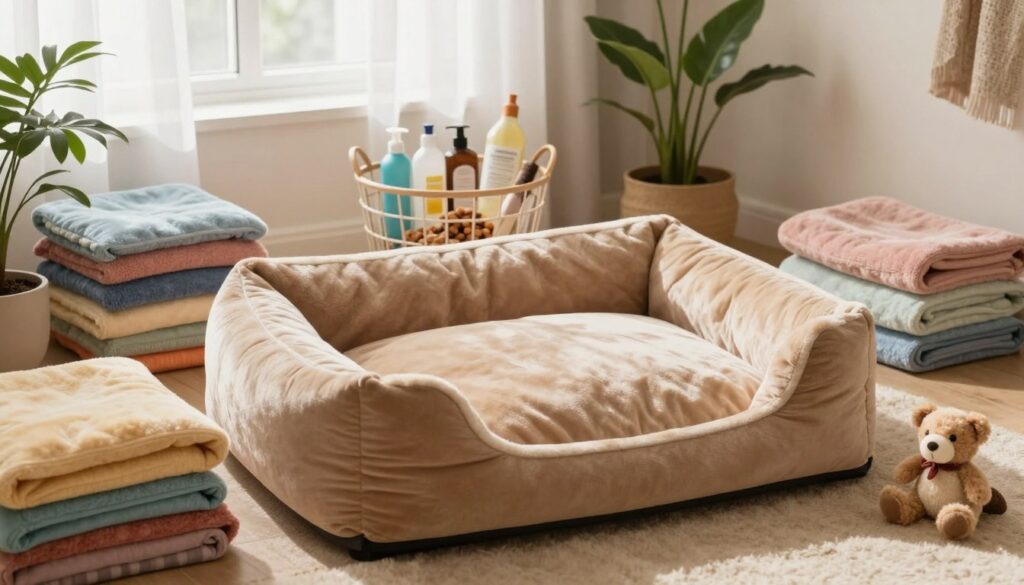
The cleanliness of your pet’s sleeping area directly impacts their overall well-being. A clean pet relaxation corner not only enhances your pet’s comfort but also contributes to a healthier environment. Regular maintenance is key to ensuring your pet’s sleeping space remains hygienic and comfortable.
Regular Cleaning Schedules and Methods
Establishing a regular cleaning schedule is crucial. For most pets, it’s recommended to clean their bedding at least once a week. Use pet-safe detergents to wash their beds, and ensure they are completely dry before letting your pet use them again. For pets that spend a lot of time outdoors, more frequent cleaning may be necessary.
Dealing with Pet Hair, Dander, and Odors
Pet hair and dander can accumulate quickly, exacerbating allergies and reducing air quality. Regular grooming can help reduce the amount of hair and dander. For odors, using baking soda or pet-safe odor eliminators can be effective. Consider using a vacuum cleaner with a HEPA filter to remove dander and hair from the environment.
Washable vs. Replaceable Bedding Components
When it comes to bedding, choosing between washable and replaceable components depends on your pet’s needs and your maintenance preferences. Washable beds are convenient and cost-effective in the long run, while replaceable beds offer a fresh start regularly. Consider a combination of both for optimal hygiene.
Pest Prevention in Pet Beds
Pests like fleas and ticks can infest pet beds. Regular inspections and using pet-safe pest control products can help prevent infestations. Washing bedding in hot water and drying it on a high heat setting can also kill pests.
| Cleaning Task | Frequency | Method |
|---|---|---|
| Washing Bedding | Weekly | Pet-safe detergent |
| Vacuuming Area | Bi-weekly | HEPA filter vacuum |
| Pest Inspection | Monthly | Visual inspection |
By following these guidelines, you can create an optimal pet rest zone that promotes your pet’s health and happiness. Regular maintenance not only improves your pet’s sleeping environment but also contributes to a healthier home for everyone.
“A clean pet bed is not just a matter of hygiene; it’s about providing your pet with a comfortable and healthy place to rest.”
Personalizing Your Pet Sleeping Space for Special Needs
To create a truly cozy sleeping space for your pet, it’s essential to consider their age, breed, and any health concerns they may have. Personalizing the sleeping area can significantly enhance their comfort and overall health.
Age-Specific Considerations: Puppies/Kittens to Seniors
Pets at different life stages have unique sleeping needs. Puppies and kittens, for instance, require more sleep and may benefit from a warmer, more enclosed sleeping space. In contrast, older pets might need orthopedic support to alleviate joint pain. Understanding these age-specific needs is crucial for creating the best pet sleep environment.
| Life Stage | Sleeping Needs | Recommended Features |
|---|---|---|
| Puppies/Kittens | More sleep, warmth | Enclosed, warm beds |
| Adults | Comfort, support | Orthopedic beds |
| Seniors | Joint support, ease of access | Orthopedic, easy-to-enter beds |
Breed-Specific Sleeping Preferences
Different breeds have distinct preferences when it comes to sleeping. For example, some breeds like Bulldogs prefer a more enclosed space, while others like Greyhounds might prefer a flat, open area. Researching your pet’s breed-specific traits can help you design a luxurious sleeping space for pets that meets their needs.
Accommodations for Pets with Health Issues
Pets with health issues require special accommodations in their sleeping space. Conditions such as joint and mobility problems, respiratory issues, and anxiety/stress need to be considered when designing their sleeping area.
Joint and Mobility Problems
Pets with joint issues benefit from orthopedic beds that provide support and alleviate pain. These beds are designed to promote better sleep and reduce discomfort.
Respiratory Conditions
Pets with respiratory conditions may require a sleeping environment that is well-ventilated and free from allergens. Elevated beds or those with breathable materials can be beneficial.
Anxiety and Stress
Pets suffering from anxiety or stress may benefit from a cozy, enclosed sleeping space or the use of calming aids like pheromone diffusers near their bed.
“The right sleeping environment can significantly reduce a pet’s stress and anxiety, leading to a healthier, happier life.” – Pet Health Expert
Multi-Pet Household Solutions
In households with multiple pets, it’s essential to provide separate sleeping areas to reduce competition and stress. This can be achieved by having multiple beds in different locations or using dividers to create individual spaces within a larger area.
By considering these factors and making appropriate adjustments, you can create a sleeping space that is tailored to your pet’s unique needs, ensuring they get the best rest possible.
DIY and Budget-Friendly Pet Sleeping Space Ideas
With a little creativity, you can create a cozy pet sleeping space that your pet will love. Transforming a corner of your home into a comfortable retreat for your pet doesn’t have to be expensive. Here are some DIY and budget-friendly ideas to get you started.
Upcycled Furniture Projects
One of the most cost-effective ways to create a pet sleeping space is by upcycling old furniture. Consider turning an old suitcase into a pet bed or converting a wooden crate into a cozy nook. Not only is this eco-friendly, but it also adds a unique touch to your home decor.
No-Sew Bed Options Anyone Can Make
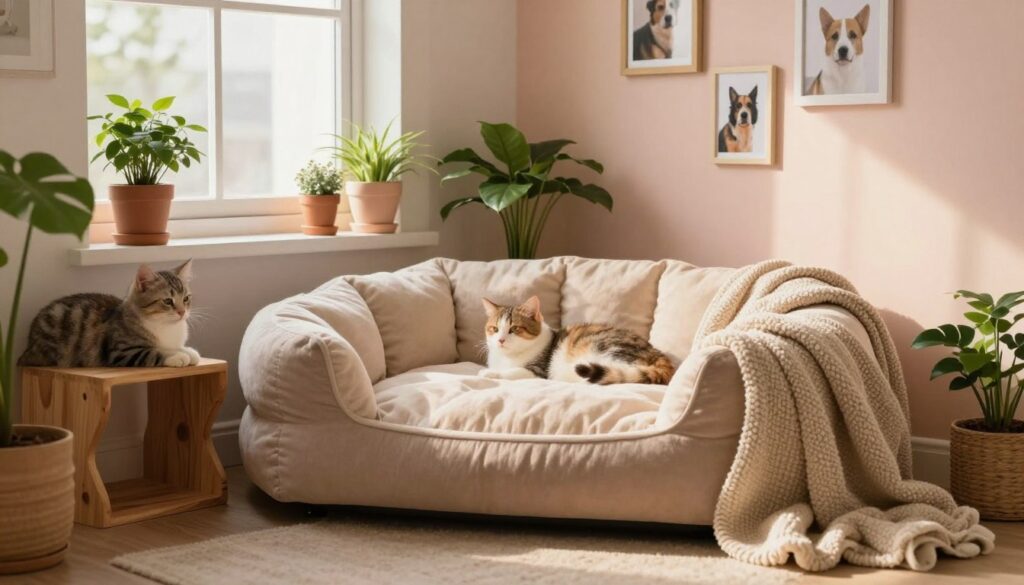
You don’t need to be a skilled seamstress to create a comfortable pet bed. Use old blankets, pillows, and towels to create a plush sleeping area. Simply arrange the materials in a comfortable shape and you’re done. This no-sew option is perfect for those who are short on time or not crafty.
Enhancing Store-Bought Beds on a Budget
If you’re not crafty or prefer a more straightforward approach, you can still enhance a store-bought pet bed on a budget. Add a few cozy throw blankets, a favorite toy, or even a canopy made from a simple piece of fabric to create a snug and inviting space.
Seasonal DIY Projects for Year-Round Comfort
To keep your pet’s sleeping space comfortable year-round, consider seasonal DIY projects. For example, add a heated mat during winter or a cooling pad during summer. You can also switch out bedding materials seasonally to keep the space fresh and comfortable.
| Season | DIY Project | Benefits |
|---|---|---|
| Winter | Heated Mat | Keeps pet warm and cozy |
| Summer | Cooling Pad | Helps regulate pet’s body temperature |
| Spring/Fall | Fresh Bedding | Keeps sleeping area clean and comfortable |
By incorporating these DIY and budget-friendly ideas, you can create a cozy pet sleeping space that your pet will truly love. Remember, it’s the thought and love you put into the space that matters most.
Conclusion: Creating a Pet Sleeping Space They’ll Truly Love
A comfortable pet sleeping area is essential for your pet’s overall well-being. By understanding their sleeping needs and preferences, you can create a premium pet sleeping spot that enhances their sleep quality.
Throughout this article, we’ve explored various aspects of designing a cozy sleeping space for your pet. From choosing the perfect pet bed to strategic placement and maintaining a clean environment, every detail matters.
By applying these tips and ideas, you can create a sleeping space that your pet will truly love. A well-designed pet sleeping area not only improves their sleep but also strengthens your bond with them.
Investing time and effort into creating a comfortable pet sleeping area is a great way to show your pet how much you care. By doing so, you’ll be providing them with a premium pet sleeping spot where they can rest and recharge.