
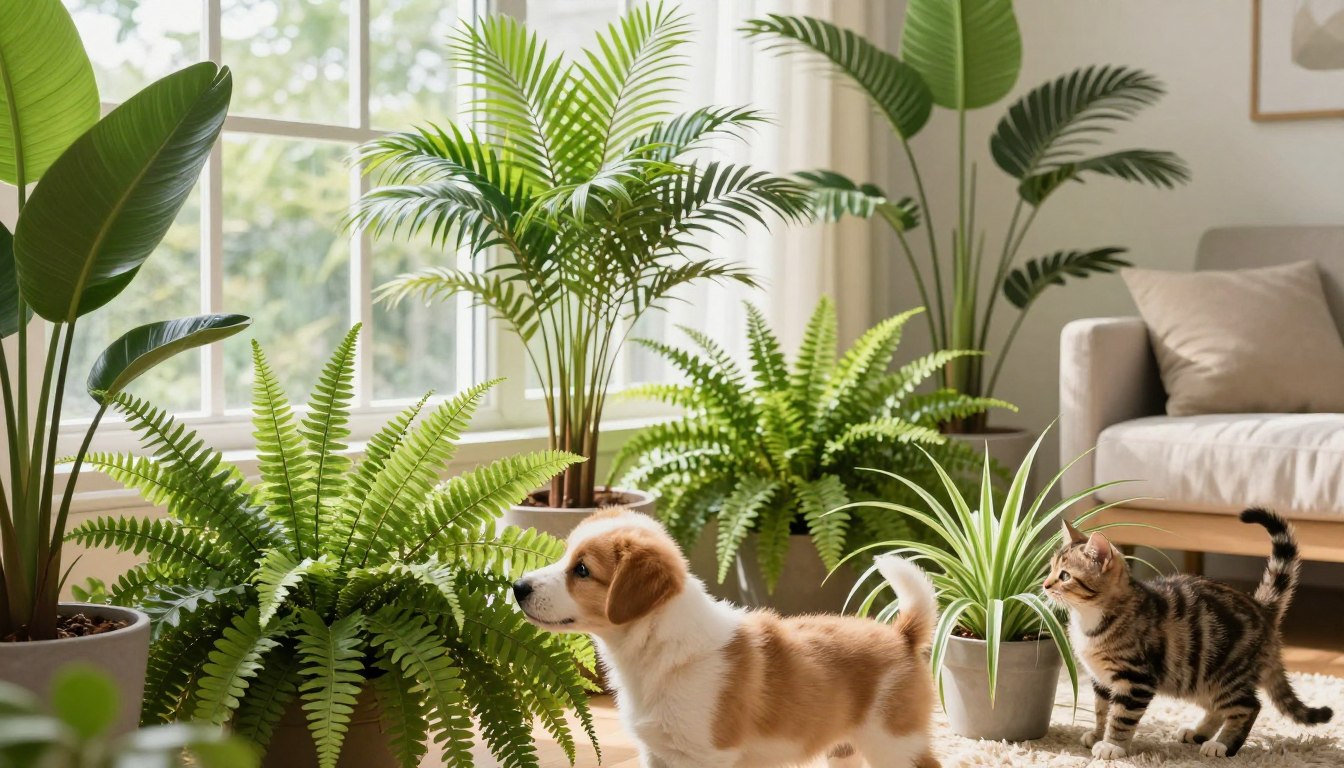
As a pet owner, creating a safe and welcoming environment for your furry friends is a top priority. One often overlooked aspect is the type of plants you have in your home or garden. Some plants can be toxic to pets, while others are perfectly harmless.
Choosing pet-friendly plants not only ensures your pets’ safety but also brings numerous benefits. These plants can purify the air, reduce stress, and add a touch of natural beauty to your living space. By selecting the right plants, you can create a harmonious and healthy environment for both you and your pets.
Key Takeaways
- Pet-friendly plants are essential for a safe home environment.
- These plants can help purify the air and reduce stress.
- Choosing the right plants can prevent toxicity in pets.
- Pet-safe plants come in a variety of shapes and sizes.
- They can add aesthetic value to your home and garden.
Why Pet Owners Should Care About Plant Safety
Creating a pet-friendly home involves more than just providing food and shelter; it also means being mindful of the plants you bring into your space. Pets, especially cats and dogs, often interact with their environment through exploration and play, which can include nibbling on plants. Some plants, while beautiful and harmless to humans, can be toxic to pets.
Common Plant Toxicity Symptoms in Pets
When pets ingest toxic plants, they can exhibit a range of symptoms. Common signs include vomiting, diarrhea, lethargy, and in severe cases, organ failure. Recognizing these symptoms early can be crucial in providing timely veterinary care.
How Pets Typically Interact with Plants
Pets interact with plants in various ways, depending on their nature and curiosity. Cats are known to nibble on plants due to their instinctual behavior, while dogs might chew on plants out of boredom or curiosity.
Cats vs. Dogs: Different Plant Interaction Behaviors
Cats and dogs have different ways of interacting with plants. Cats are more likely to nibble on plants as part of their hunting instinct, whereas dogs tend to chew on plants more vigorously, potentially causing more damage. Understanding these behaviors can help pet owners take appropriate precautions.
| Pet Type | Common Interaction with Plants | Precautionary Measures |
|---|---|---|
| Cats | Nibbling due to instinct | Keep toxic plants out of reach, provide cat-friendly plants |
| Dogs | Chewing out of curiosity or boredom | Supervise interactions, train to avoid plants |
By understanding how pets interact with plants and being aware of the potential dangers, pet owners can take steps to create a safer environment. Choosing non-toxic plants for animals and pet-safe houseplants is a crucial step in ensuring your home remains a haven for your pets.
Plants That Are Safe for Pets: Complete Overview
Understanding what makes a plant safe for pets is crucial for pet owners who love gardening. Pet owners often worry about the safety of their pets around plants, but there are numerous plants that are non-toxic and safe for homes with cats and dogs.
What Makes a Plant Pet-Friendly
A plant is considered pet-friendly if it is non-toxic to pets. The toxicity of a plant is determined by the presence of certain compounds that can be harmful if ingested. Pet-friendly plants lack these toxic compounds, making them safe for homes with curious pets that might nibble on plants.
Benefits of Having Pet-Safe Plants
Pet-safe plants offer several benefits to homeowners. Not only are they safe for pets, but they also improve the indoor environment.
Air Purification Properties
Many pet-safe plants are known for their air purification properties. They can remove harmful toxins from the air, improving indoor air quality. For example, plants like Spider Plants and Boston Ferns are not only safe for pets but also effective air purifiers.
Aesthetic and Psychological Benefits
In addition to their practical benefits, pet-safe plants also offer aesthetic and psychological benefits. They can enhance the beauty of a room and provide a sense of calm and well-being. Studies have shown that being around plants can reduce stress and improve mood.
| Plant Name | Air Purification | Aesthetic Appeal |
|---|---|---|
| Spider Plant | High | Easy to care for, cascading leaves |
| Boston Fern | High | Green, lush foliage |
| Areca Palm | Medium | Feathery leaves, elegant appearance |
By choosing pet-safe plants, homeowners can create a safe and welcoming environment for both their pets and themselves.
Top Indoor Plants That Are Safe for Pets
For pet owners, having indoor plants that are safe for their cats and dogs is a top priority. Indoor plants not only purify the air and improve the aesthetic of your home, but they can also be a safe haven for your pets if chosen correctly.
Spider Plant (Chlorophytum comosum)
The Spider Plant is a popular, pet-safe houseplant known for its ease of care and air-purifying properties. It’s an excellent choice for pet owners who want to bring some greenery into their homes.
Care Requirements
Spider Plants thrive in bright, indirect light and require moderate watering. They prefer well-draining soil and should be fertilized occasionally to maintain their health and vigor.
Benefits for Home Environment
These plants are not only safe for pets, but they also help to purify the air by removing toxins. Additionally, Spider Plants are great for beginners, as they are easy to propagate and maintain.
Boston Fern (Nephrolepis exaltata)
Boston Ferns are another pet-friendly option that can add a lush, green touch to your home. They prefer bright, indirect light and high humidity, making them ideal for bathrooms or kitchens.
| Plant | Light Requirement | Watering Needs |
|---|---|---|
| Spider Plant | Bright, Indirect | Moderate |
| Boston Fern | Bright, Indirect | High |
| Areca Palm | Bright, Indirect | Moderate |
| Calathea | Low to Medium | Moderate |
Areca Palm (Dypsis lutescens)
The Areca Palm is a stylish and pet-safe addition to any indoor space. It prefers bright, indirect light and moderate watering, making it a versatile choice for various home environments.
Calathea Plants
Calathea Plants are known for their beautiful foliage and are safe for pets. They thrive in low to medium light conditions and require moderate watering, making them suitable for a variety of indoor settings.
By choosing these pet-safe houseplants, you can create a harmonious and healthy indoor environment for both you and your pets to enjoy.
Pet-Friendly Flowering Plants for Indoor Spaces
Bringing flowers into your home can be a delightful way to brighten up your space, and fortunately, there are many pet-friendly options available. Indoor flowering plants not only add beauty and vibrancy to your home but also purify the air and improve the overall ambiance. For pet owners, it’s essential to choose plants that are safe for their furry friends.
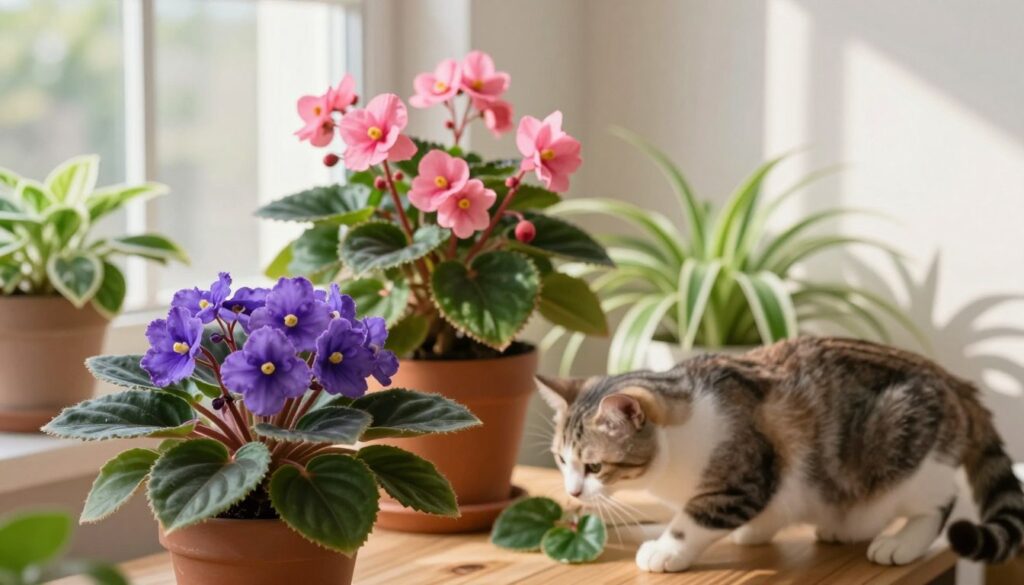
African Violet (Saintpaulia)
The African Violet is a popular choice for indoor gardens due to its delicate purple flowers and non-toxic nature. These plants are relatively low maintenance and can thrive in bright, indirect light, making them perfect for indoor spaces.
Orchids (Phalaenopsis)
Orchids are known for their exotic beauty and are safe for homes with pets. They come in a variety of colors and can bloom for several months with proper care. Orchids generally prefer bright, indirect light and moderate watering.
Christmas Cactus (Schlumbergera)
The Christmas Cactus is a festive and pet-friendly option that blooms around the holiday season. It requires minimal care and can thrive in cooler temperatures, making it an excellent choice for indoor decoration during winter.
Gerbera Daisy (Gerbera jamesonii)
Gerbera Daisies are bright and cheerful flowers that are non-toxic to pets. They come in a range of colors and can add a pop of color to any room. Gerbera Daisies prefer bright light and well-draining soil to prevent root rot.
By choosing these pet-friendly flowering plants, you can enjoy the beauty of indoor flowers while ensuring the safety and well-being of your pets. Whether you’re looking to brighten up a room or add some color to your decor, these plants are excellent choices.
Succulents and Cacti Safe for Your Furry Friends
If you’re a pet owner with a passion for succulents, you’ll be pleased to know that several species are non-toxic to cats and dogs. These plants not only add beauty to your home but also provide a safe way to indulge your love for gardening.
Haworthia
Haworthia is a popular succulent that is safe for pets. It’s known for its striking, fleshy leaves and comes in a variety of patterns and shapes, making it a great addition to any pet-friendly home.
Echeveria
Echeveria is another succulent that is non-toxic to pets. Its beautiful rosettes can add a decorative touch to your indoor spaces without posing a risk to your furry friends.
Blue Echeveria (Echeveria glauca)
The Blue Echeveria is a stunning variety of Echeveria, known for its blue-gray leaves. It’s a low-maintenance plant that’s safe for households with pets.
Hens and Chicks (Sempervivum)
Hens and Chicks is a hardy succulent that’s perfect for pet owners. It’s easy to care for and can thrive in various conditions, making it a great choice for indoor and outdoor gardens.
By choosing these pet-safe succulents and cacti, you can enjoy the benefits of having plants in your home without worrying about your pets’ safety. These plants are not only beautiful but also low-maintenance, making them perfect for busy pet owners.
Pet-Safe Herbs for Indoor and Outdoor Gardens
Gardening with pets in mind is not only possible but also enjoyable with the right plants. Many herbs are safe for your furry friends and can add freshness and flavor to your cooking. Here are some pet-safe herbs you can grow in your indoor and outdoor gardens.
Basil
Basil is a popular herb used in many dishes, and the good news is that it’s non-toxic to cats and dogs. It’s easy to grow indoors or outdoors, making it a versatile addition to your garden.
Rosemary
Rosemary is another herb that’s safe for pets. It’s a fragrant, drought-tolerant plant that’s perfect for outdoor gardens. However, it can be sensitive to frost, so protect it during winter months.
Thyme
Thyme is a low-growing, pet-friendly herb that’s great for cooking and landscaping. It’s relatively hardy and can thrive in various conditions, making it a great choice for indoor and outdoor gardens.
Mint
Mint is a hardy, fragrant herb that’s safe for cats and dogs. However, be cautious as it can spread quickly and become invasive. Containing it in pots can help manage its growth.
Catnip: A Special Herb for Feline Friends
Catnip is a member of the mint family and is particularly special for cat owners. It’s safe for cats to roll around in and rub against. Growing catnip in your garden can provide endless entertainment for your feline friends.
As “catnip can stimulate your cat’s senses and encourage playful behavior”, it’s a great way to enrich your cat’s environment. Catnip is easy to grow and maintain, making it a wonderful addition to your pet-friendly garden.
Outdoor Garden Plants Safe for Cats and Dogs
As a pet owner, you want to ensure that your outdoor space is safe for your cats and dogs to explore. Creating a pet-friendly garden not only enhances your outdoor living area but also provides a safe haven for your pets to enjoy. When selecting plants for your garden, it’s essential to choose varieties that are non-toxic to your furry friends.
Sunflowers (Helianthus)
Sunflowers are a great addition to any pet-friendly garden. These tall, bright flowers are not only beautiful but also safe for your cats and dogs. They can provide shade and a fun spot for pets to play.
Marigolds (Tagetes)
Marigolds are another pet-safe option for your garden. They are easy to care for and come in a variety of colors, adding vibrancy to your outdoor space. Their strong scent can also help deter pests.
Roses (Thornless Varieties)
While traditional roses can be hazardous due to their thorns, thornless rose varieties are a safer choice. These roses still offer the beauty and fragrance of traditional roses without the risk of injury to your pets.
Snapdragons (Antirrhinum)
Snapdragons are a fun and colorful addition to any garden. They are safe for pets and can add a playful touch to your outdoor space. Their tall spikes can also provide a fun climbing spot for cats.
Petunias
Petunias are a popular choice for gardens due to their vibrant colors and ease of care. They are also non-toxic to cats and dogs, making them an excellent choice for pet-friendly landscaping.
By incorporating these pet-safe plants into your garden, you can create a beautiful and safe outdoor space for both you and your pets to enjoy. Remember, while these plants are safe, it’s always a good idea to monitor your pets’ interactions with any new plants.
Pet-Friendly Trees and Shrubs for Your Yard
Creating a pet-friendly yard is a top priority for many pet owners who want to ensure their outdoor spaces are safe and enjoyable for their furry friends. When landscaping your yard, it’s essential to choose trees and shrubs that are not only beautiful but also safe for your pets.

Several trees and shrubs fit the bill, offering a combination of aesthetic appeal and pet safety. Let’s explore some of these options.
Magnolia
Magnolia trees are known for their stunning flowers and are a great choice for pet owners. They are non-toxic to pets and can add a touch of elegance to your yard.
Camellia
Camellia shrubs are another pet-friendly option, offering beautiful blooms that can enhance your outdoor space without posing a risk to your pets.
Japanese Maple
Japanese Maple trees are not only safe for pets but also provide a vibrant display of color, especially during the fall season.
Crepe Myrtle
Crepe Myrtle trees are a popular choice for landscaping and are safe for pets. They offer beautiful flowers and can thrive in various conditions.
By incorporating these pet-friendly trees and shrubs into your yard, you can create a safe and enjoyable outdoor space for both you and your pets. This approach to landscaping is part of a broader strategy for pet-friendly landscaping, ensuring that your home is a haven for your entire family.
Creating a Pet-Friendly Indoor Plant Haven
To create a pet-friendly indoor plant haven, you need to consider both the aesthetic appeal and the safety of your furry friends. This involves selecting the right plants, arranging them thoughtfully, and ensuring that they are protected from curious pets.
Arrangement Tips for Multiple Pet-Safe Plants
When arranging multiple pet-safe houseplants, consider the overall aesthetic you want to achieve. Grouping plants with similar lighting needs together can be both visually appealing and practical. For example, you can create a lush corner with a mix of Spider Plants and Boston Ferns, both of which are safe for pets and thrive in similar conditions.
Protecting Plants from Curious Pets
Pets, especially cats, are often curious about plants, which can lead to unwanted nibbling or digging. To protect your plants, place them out of reach or use hanging baskets. You can also create a pet-free zone in your home where your plants can thrive without interference.
Deterrents That Are Safe for Pets
If you can’t keep your plants out of reach, consider using pet-safe deterrents. There are various sprays and granules available that can discourage pets from approaching your plants without harming them. Always check the ingredients to ensure they are non-toxic to pets.
Balancing Pet Safety with Plant Health
Maintaining a balance between pet safety and plant health is crucial. Regularly inspect your plants for signs of damage or stress caused by pets. Adjust your arrangements as needed to ensure both your pets and plants remain happy and healthy.
Dangerous Plants to Absolutely Avoid with Pets
While plants can bring numerous benefits to our homes, some can be deadly for our pets, making it essential to know which ones to avoid. Certain plants, whether indoors or outdoors, can be toxic to cats and dogs, causing a range of symptoms from mild discomfort to life-threatening conditions.
Highly Toxic Indoor Plants
Indoor plants can add beauty and freshness to our living spaces, but some are highly toxic to pets. Lilies, for example, are particularly dangerous for cats, as even small amounts can cause severe kidney damage.
Lilies and Cats: A Deadly Combination
Lilies are among the most toxic plants to cats. All parts of the lily plant are toxic, from the leaves and flowers to the pollen and even the water in the vase. Ingestion can lead to acute kidney failure in cats, making it crucial for cat owners to avoid having lilies in their homes.
Dangerous Garden Plants
Garden plants can also pose a significant risk to pets. Plants like Sago Palm and Oleander are highly toxic and can be fatal if ingested. It’s essential to research any plant before introducing it to your garden if you have pets that spend time outdoors.
Seasonal Plants to Keep Away from Pets
Seasonal and holiday plants can also be hazardous to pets. Certain plants are traditionally brought into homes during holidays, but they can be toxic.
Holiday Plants to Be Cautious About
Plants like Poinsettia and Mistletoe are popular during the holiday season but are toxic to pets. While not usually fatal, ingestion can cause significant discomfort and health issues in pets.
Being aware of these dangerous plants and taking steps to avoid them can help create a safer environment for your pets. Always research the toxicity of a plant before bringing it into your home or garden.
Conclusion
As a pet owner, choosing the right plants for your home and garden is crucial for your furry friends’ safety and well-being. By opting for pet-friendly plants, you can create a beautiful and secure environment for your pets to thrive.
Pet-friendly gardening is not just about avoiding toxic plants; it’s about creating a haven where your pets can enjoy the outdoors with you. With the variety of pet-safe plants available, you can design a stunning garden or indoor space that is both enjoyable for you and safe for your pets.
By incorporating pet-friendly plants into your home and garden, you can enjoy the benefits of gardening while keeping your pets safe. So, explore the world of pet-friendly gardening and discover the joy of nurturing your green thumb while protecting your beloved pets.