

For many of us, our pets are more than just companions; they’re cherished members of our families. The connection we share with them is profound, influencing our daily lives and emotional well-being.
The way we form attachments to our pets is rooted in attachment theory, which explains how we build trust and emotional safety with our loved ones, including our furry friends. Daily routines, shared experiences, and the affection we exchange all contribute to a deepening human-pet connection.
Understanding this complex relationship can help us appreciate the significant role our pets play in our lives.
Key Takeaways
- The human-pet connection is rooted in attachment theory.
- Daily routines and shared experiences strengthen the pet-parent bond.
- Trust and emotional safety are crucial to the human-pet relationship.
- Pets play a significant role in our emotional well-being.
- The bond between pets and owners is a complex, multifaceted relationship.
The Science Behind Human-Animal Connections
Studies have shown that the connection between humans and animals is driven by a complex interplay of neurochemical responses. When humans interact with pets, various neurochemicals are released, promoting feelings of attachment and affection.
Neurochemical Responses in Pet Interactions
Interactions between pets and their owners trigger the release of oxytocin, often referred to as the “love hormone,” which plays a crucial role in bonding. Dopamine and endorphins are also released, contributing to feelings of pleasure and happiness. This neurochemical response is a key factor in the development of the pet-parent connection.
| Neurochemical | Function | Effect on Pet-Parent Connection |
|---|---|---|
| Oxytocin | Promotes bonding and attachment | Strengthens emotional bond |
| Dopamine | Associated with pleasure and reward | Encourages positive interactions |
| Endorphins | Creates feelings of happiness | Enhances overall well-being |
The Evolutionary Purpose of Pet Companionship
The evolutionary purpose of pet companionship can be linked to the benefits it provided to humans throughout history, such as companionship, protection, and assistance. Emotionally attached pets have been a part of human lives for thousands of years, serving various roles that contributed to human survival and well-being.
The deep emotional bond between pets and parents is a result of both neurochemical responses and the evolutionary history of human-animal interactions. Understanding these factors can help appreciate the significance of the pet-parent connection in modern times.
Understanding the Emotional Bond Between Pets and Parents
As we explore the depths of human-animal relationships, it becomes clear that the emotional bond between pets and parents is multifaceted. This bond is not just about companionship; it’s a deep-seated connection that influences both the pet’s and the parent’s life significantly.
What Distinguishes Pet-Parent Bonds from Other Relationships
The relationship between pets and their parents is distinct from other human relationships due to its unconditional nature. Pets provide companionship without judgment, creating a safe space for their owners. This unique bond is built on mutual affection, trust, and, often, a deep understanding that transcends verbal communication.
One of the key factors that distinguishes pet-parent bonds is the level of emotional support pets offer. They are often considered emotional support animals, providing comfort and solace in times of distress. This emotional support is reciprocal, as pets also derive emotional well-being from the care and affection they receive from their parents.
“Pets have a way of making us feel seen and loved unconditionally, which is a profound aspect of the human-animal bond.”
How Pets Transition from Animals to Family Members
Pets transition from being mere animals to beloved family members through shared experiences, consistent care, and emotional connection. As owners invest time and affection, pets become integral to family dynamics, participating in daily rituals and offering companionship.
| Factors Contributing to Pet Integration | Description |
|---|---|
| Shared Activities | Engaging in play, walks, and other activities strengthens the bond. |
| Consistent Care | Regular feeding, grooming, and healthcare routines foster a sense of responsibility and closeness. |
| Emotional Connection | Providing and receiving affection deepens the emotional bond. |
The process of integrating pets into the family unit is a gradual one, influenced by the quality of care and interaction. As pets become more than just animals, they start to feel like family, embodying the essence of the “pet-parent connection.”
Attachment Theory Applied to Pet Relationships
Attachment theory, a concept originally developed to describe human relationships, has been increasingly applied to the dynamic between pets and their owners. This psychological framework helps us understand the deep bond with pets and how it mirrors human attachment styles.
The Four Attachment Styles with Pets
Just like humans, pets can exhibit different attachment styles towards their owners. The four main attachment styles are secure, anxious, avoidant, and disorganised. A secure attachment is characterised by a pet feeling comfortable and secure in the presence of their owner. An anxious attachment style is marked by clinginess and distress when the owner is away. Avoidant attachment is less common but can be seen in pets that show little affection or interest in their owners. Lastly, disorganised attachment can manifest in pets with traumatic pasts, leading to unpredictable behaviour.
How Early Experiences Shape Long-term Pet Bonds
Early experiences play a crucial role in shaping the long-term bond between pets and their owners. Positive early interactions can lead to a secure attachment style, while negative experiences can result in anxious or avoidant styles. For instance, a puppy that is handled gently and cared for properly from an early age is more likely to develop a secure attachment to its owner.
Overcoming Attachment Issues in Rescue Animals
Rescue animals often come with pre-existing attachment issues due to past traumas or neglect. Overcoming these issues requires patience, understanding, and a gentle approach. Owners can help their rescue pets by establishing a consistent routine, providing a safe environment, and using positive reinforcement techniques to build trust.
By understanding and applying attachment theory to pet relationships, owners can foster a deeper and more meaningful bond with their pets. Recognising the attachment style of their pet allows owners to tailor their approach to meet their pet’s emotional needs, leading to a more harmonious and loving relationship.
Building Trust: The Foundation of Pet-Parent Connections
Trust is the cornerstone of a healthy and fulfilling pet-parent relationship. Establishing trust creates a safe and nurturing environment for both pets and their parents.
Creating Safety Through Consistency and Routine
A consistent daily routine provides pets with a sense of security and predictability, fostering a strong relationship with pets. Regular feeding times, play sessions, and sleep schedules help pets feel grounded and understood.
Consistency in interactions and responses to pet behaviour also plays a crucial role in building trust. By being reliable and consistent, pet parents can create a stable environment that encourages open communication and deepens pet companionship.
Communication Methods That Strengthen Trust
Effective communication is vital in strengthening the bond between pets and their parents. This includes verbal cues, body language, and physical touch. Understanding and responding appropriately to a pet’s needs and emotions helps build a trusting relationship.
Species-Specific Trust-Building Techniques
Different species require tailored approaches to build trust. For example, dogs respond well to positive reinforcement training, while cats may require more gentle and patient interactions. Understanding these species-specific needs is crucial for developing a strong and trusting relationship.
By incorporating these trust-building techniques into daily interactions, pet parents can cultivate a deep and meaningful bond with their pets. This not only enhances the pet-parent relationship but also contributes to the overall well-being of both parties.
Daily Rituals That Deepen Your Bond with Pets
Daily rituals play a crucial role in nurturing the loving bond with animals and fostering a deeper emotional connection with pets. By incorporating meaningful interactions into your daily routine, you can significantly strengthen your relationship with your pet.
Meaningful Interactions That Create Connection
Engaging in activities that promote interaction can help create a strong bond between you and your pet. This can include playtime, training sessions, or simply spending quiet time together. For example, a morning walk or play session can set a positive tone for the day, while a calming evening routine can help your pet wind down.
Balancing Quality Time with Necessary Boundaries
While spending quality time with your pet is essential, establishing boundaries is equally important. Setting clear rules and being consistent helps your pet understand what is expected of them, reducing stress and anxiety. This balance between quality time and boundaries fosters a healthy and respectful relationship.
Age-Appropriate Bonding Activities
The type of bonding activities you engage in should be appropriate for your pet’s age and developmental stage. For young pets, training and play are crucial, while older pets may benefit more from gentle, low-impact activities. Understanding your pet’s needs at different life stages can help you tailor your interactions to maximise the bond.
By incorporating these daily rituals and being mindful of your pet’s needs, you can deepen your emotional connection and enjoy a more fulfilling relationship.
Creating Emotional Safety for You and Your Pet
Creating a secure emotional environment is key to strengthening the pet-parent relationship. Emotional safety allows both pets and their parents to feel secure, understood, and valued.
The Concept of Secure Base in Animal-Human Relationships
The concept of a “secure base” originates from attachment theory and is crucial in understanding pet-parent bonds. It refers to the sense of safety and security that a pet feels in the presence of their caregiver, allowing them to explore their environment confidently.
A secure base is established through consistent, positive interactions and a predictable routine. This foundation of trust is vital for the emotional well-being of pets.
Recognising and Addressing Emotional Needs in Pets
Pets have emotional needs just like humans, and recognising these needs is essential for their well-being. Signs of emotional distress in pets can include changes in appetite, withdrawal, or destructive behaviour.
- Observe your pet’s behaviour closely to identify signs of emotional distress.
- Provide a stable and loving environment to help alleviate stress.
- Engage in activities that promote bonding and reduce anxiety.
Supporting Pets Through Environmental Changes
Changes in the environment, such as moving homes or introducing new family members, can be stressful for pets. Gradual introduction to changes and maintaining a consistent routine can help minimise stress.
For example, if you’re moving to a new home, it’s helpful to:
- Bring familiar items like your pet’s bed or favourite toys to the new location.
- Gradually introduce your pet to the new environment, room by room.
- Maintain regular feeding times and play routines.
How Pets Sense and Respond to Human Emotions
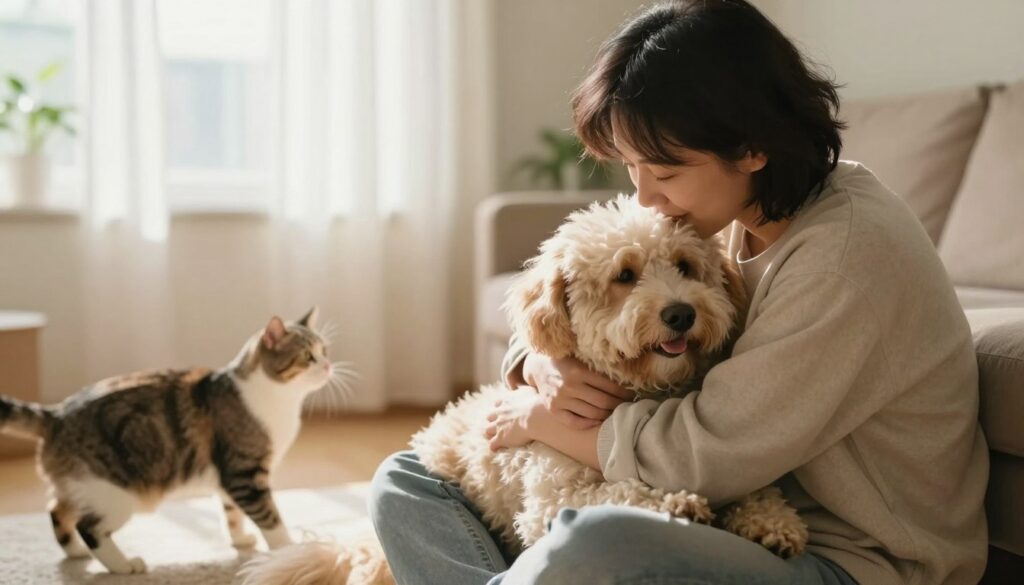
Pets have an extraordinary ability to sense their owners’ emotional states, often responding in ways that provide comfort and support. This unique connection is rooted in the pet parent connection, where pets become attuned to their owners’ feelings and behaviours.
The Science of Emotional Detection in Different Species
Research has shown that different species have varying levels of emotional detection. For instance, dogs are highly attuned to human emotions, often sensing their owners’ stress or sadness. Studies have demonstrated that dogs can detect changes in their owners’ heart rate and blood pressure, allowing them to respond accordingly.
When Pets Become Emotional Mirrors
Pets often mirror their owners’ emotions, creating a deep emotional bond. This mirroring can be seen in the way pets respond to their owners’ moods, often becoming more affectionate when their owners are feeling down. The human pet bond is strengthened through this emotional mirroring, as pets become more in tune with their owners’ feelings.
Training Pets to Respond to Emotional Cues
Training pets to respond to emotional cues can further strengthen the pet parent connection. By teaching pets to recognise and respond to specific emotional states, owners can create a more supportive and comforting relationship. The following table outlines some strategies for training pets to respond to emotional cues:
| Emotional Cue | Pet Response | Training Strategy |
|---|---|---|
| Sadness | Cuddle | Reward with treats for nuzzling |
| Stress | Calm Behavior | Teach relaxation techniques |
| Anxiety | Comforting Presence | Encourage proximity during anxious moments |
By understanding how pets sense and respond to human emotions, owners can deepen their connection with their pets, fostering a more empathetic and supportive relationship.
The Comfort Effect: Pets as Emotional Support
The comfort effect of pets is a testament to the deep emotional connection between pets and their owners. Pets have become an integral part of many families, providing not just companionship but also emotional support.

Natural Therapeutic Qualities of Animal Companionship
Animal companionship has natural therapeutic qualities that can significantly impact an individual’s mental and emotional well-being. The presence of pets has been shown to reduce stress and anxiety, promoting a sense of calm and comfort. This is partly due to the emotional attachment pets foster, which can lead to a feeling of security and companionship.
Studies have demonstrated that interacting with pets can lower cortisol levels, reduce blood pressure, and increase oxytocin levels, often referred to as the “love hormone.” These physiological responses contribute to the overall therapeutic effect of pet ownership.
How Pets Help During Times of Crisis and Grief
Pets often play a crucial role during times of crisis and grief, providing comfort and emotional support. Their presence can be a source of solace, helping individuals cope with difficult emotions. The bond between a pet and its owner can be particularly significant during these times, as it provides a sense of stability and normalcy.
The Difference Between Emotional Support Animals and Pet Companionship
While all emotional support animals are pets, not all pets are considered emotional support animals. Emotional support animals are specifically trained to provide emotional comfort and support to individuals with mental or emotional disabilities. In contrast, pet companionship refers to the general bond between a pet and its owner, which can also provide emotional support but is not limited to individuals with diagnosed disabilities.
| Aspect | Emotional Support Animals | Pet Companionship |
|---|---|---|
| Purpose | Specifically trained to support individuals with mental or emotional disabilities | General companionship and emotional support |
| Training | Specialized training | No specific training required |
| Recognition | Officially recognised with documentation | Not officially recognised; based on personal bond |
Understanding the difference between emotional support animals and pet companionship can help clarify the unique role pets play in providing emotional comfort and support. The emotional attachment pets facilitate is a key factor in why pets feel like family to many people.
Mutual Benefits: How the Bond Improves Well-being
A deep connection with pets can significantly enhance the well-being of both humans and animals. This bond is built on trust, affection, and mutual understanding, leading to a range of benefits for both parties.
Mental Health Advantages for Humans
The emotional support provided by pets can lead to reduced stress levels, improved mood, and a decrease in symptoms of anxiety and depression. Interacting with pets has been shown to increase oxytocin levels, often referred to as the “love hormone,” which promotes feelings of happiness and relaxation.
Emotional and Physical Benefits for Pets
Pets also benefit from the bond, experiencing emotional comfort and security. A nurturing environment can lead to improved physical health in pets, including lower blood pressure and a stronger immune system. Regular interaction and exercise with their owners can enhance their overall well-being.
Creating a Relationship That Nurtures Both Species
To foster a healthy and mutually beneficial relationship, it’s essential to prioritise quality time, consistent routines, and positive reinforcement. The following table highlights key aspects of nurturing this bond:
| Aspect | Human Benefits | Pet Benefits |
|---|---|---|
| Quality Time | Reduces stress and anxiety | Enhances emotional security |
| Consistent Routines | Promotes a sense of stability | Provides a predictable environment |
| Positive Reinforcement | Encourages positive interactions | Supports training and good behaviour |
By understanding and nurturing the pet-parent bond, individuals can create a fulfilling and healthy relationship that benefits both humans and pets alike.
Deep Companionship: Beyond Basic Care and Affection
Beyond the basics of care and affection, a profound companionship can develop between pets and their parents, fostering a deep emotional connection.
The Evolution of Understanding Between Pet and Parent
As pets and their parents spend more time together, their understanding of each other evolves. This evolution is marked by a growing intuition about each other’s needs and behaviours.
Observing and responding to subtle cues becomes second nature, strengthening their Page.
How Long-term Bonds Create Intuitive Communication
Long-term bonds between pets and parents Page to a form of intuitive communication. This isn’t just about recognising commands or needs; it’s about understanding the emotional states of each other.
Species-specific behaviours play a significant role in this communication, with pets often adapting their behaviour to comfort or interact with their parents.
Species-Specific Expressions of Deep Attachment
Different species show deep attachment in unique ways. For example, dogs may display affection through physical closeness, while cats might show it through gentle vocalisations or kneading.
Understanding these species-specific expressions can deepen the companionship between pets and parents, enhancing their emotional connection.
Conclusion: Honouring the Lifelong Journey with Your Pet
The bond between pets and their parents is a unique and special connection that brings immense joy and fulfilment to both parties. Through pet companionship, individuals can experience a deep emotional connection with their pets, fostering a loving bond with animals that can last a lifetime.
Nurturing this emotional connection with pets requires effort, understanding, and patience. By recognising the importance of the pet-parent bond and the various factors that contribute to its strength, pet owners can cultivate a lifelong journey with their pets that is filled with love, trust, and companionship.
As we reflect on the significance of this bond, it becomes clear that the relationship between pets and their parents is not just a simple companionship, but a complex and multifaceted connection that can bring numerous benefits to both humans and animals alike.