
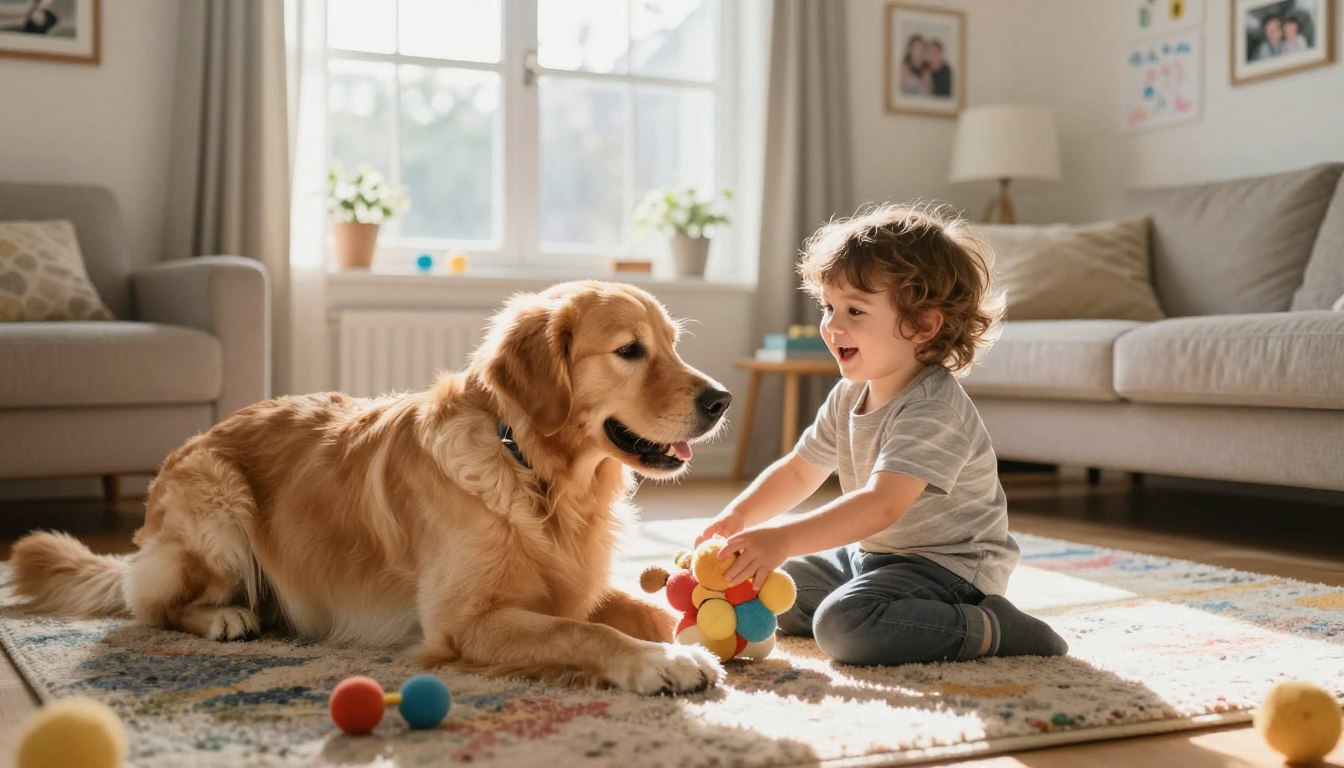
Growing up with a furry companion can be a life-changing experience for kids. It not only teaches them important life skills but also shapes their emotional and social development.
Having a pet can be a transformative experience that helps kids develop essential qualities like empathy, responsibility, and patience. As they care for their pets, children learn to understand and respond to their needs, fostering a deeper sense of compassion and understanding.
This bond between kids and their pets lays the foundation for emotional intelligence and social skills that benefit them throughout their lives.
Key Takeaways
- Pets play a significant role in shaping kids’ emotional development.
- Caring for pets teaches children valuable life skills like responsibility and empathy.
- The bond between kids and pets fosters emotional intelligence and social skills.
- Growing up with pets can have a lasting impact on children’s emotional and social growth.
- Pets can be a catalyst for teaching kids important life lessons.
The Powerful Bond Between Children and Pets
Pets are more than just companions for children; they are catalysts for emotional growth and social learning. The bond between children and pets is built on mutual affection, trust, and interaction, which can have a profound impact on a child’s development.
The Science Behind Human-Animal Connections
Research has shown that human-animal connections can have numerous benefits for children, including reduced stress levels, improved emotional well-being, and enhanced social skills. The interaction between children and pets stimulates the release of oxytocin, often referred to as the “love hormone,” which promotes feelings of attachment and bonding.
Children who grow up with pets tend to develop empathy and compassion more readily, as they learn to understand and respond to their pet’s needs and emotions.
Types of Pets That Best Support Child Development
While any pet can bring joy and companionship into a child’s life, some pets are more suited to supporting child development than others. Dogs, for example, are often considered ideal pets for families because they encourage children to engage in physical activity and develop a sense of responsibility through dog care tasks.
Other pets, such as cats, fish, and even small mammals like guinea pigs, can also provide companionship and help children develop emotional intelligence by learning to care for and understand the needs of another living creature.
Creating Meaningful Relationships From an Early Age
To foster a meaningful relationship between children and pets, it’s essential to involve children in pet care activities from an early age. This not only teaches children important life skills such as responsibility and empathy but also helps to strengthen the bond between the child and the pet.
By encouraging children to participate in feeding, grooming, and playing with their pets, parents can help their children develop a deeper understanding and appreciation of their pets, laying the foundation for a lifelong, loving relationship.
Building Empathy Through Animal Care
Caring for pets is a powerful way to teach children empathy, a crucial life skill that benefits their emotional and social development. When children are involved in the daily care of a pet, they begin to understand the needs and feelings of another living being.
Understanding Another’s Needs and Feelings
As children care for their pets, they learn to recognise and respond to their pet’s needs, such as hunger, thirst, and comfort. This helps children develop a sense of empathy and compassion, essential for building strong, healthy relationships. According to Dr Jane Smith, a child psychologist, “Caring for pets teaches children to be attuned to the needs of others, a skill that translates to human relationships.”
“The love and companionship of a pet can help children develop empathy and understanding, essential life skills that benefit their emotional and social development.”
Recognising Non-Verbal Communication
Pets communicate primarily through non-verbal cues, such as body language and vocalisations. Children learn to interpret these signals, understanding when their pet is happy, scared, or needs attention. This skill helps children become more aware of non-verbal communication in human interactions as well.
Translating Pet Empathy to Human Relationships
The empathy developed through caring for pets can extend to human relationships, helping children become more understanding and compassionate friends and family members. By learning to care for another living being, children develop essential life skills that benefit their emotional and social development.
As children grow and develop, the empathy and understanding they have cultivated through pet care can lead to stronger, more meaningful relationships with others. By fostering emotional growth through pets, parents can help their children become more empathetic and compassionate individuals.
Learning Responsibility and Routine
The role of pets in a child’s life extends beyond companionship, teaching valuable lessons about responsibility. By caring for a pet, children can develop essential life skills that benefit them in the long run.
Daily Care Tasks as Life Lessons
Caring for a pet involves a range of daily tasks, from feeding and grooming to exercising and providing fresh water. These tasks teach children the importance of routine and responsibility. By performing these tasks, children learn to prioritise and manage their time effectively.
Age-Appropriate Pet Responsibilities
Assigning tasks according to a child’s age is crucial. For younger children, simple tasks like refilling a pet’s food or water bowl can be a good start. Older children can take on more complex responsibilities, such as training or administering medication. This gradual increase in responsibility helps build confidence and a sense of accomplishment.
How Responsibility Builds Character
The responsibilities associated with pet care contribute significantly to a child’s character development. By caring for another living being, children develop empathy and compassion. They also learn about the consequences of their actions, understanding that neglecting their duties can have negative outcomes for their pet.
Through these experiences, children grow emotionally and socially, developing into more responsible and caring individuals. The lessons learned from caring for a pet are invaluable, shaping their character and influencing their interactions with others.
How Pets Help Children Grow Emotionally Through Patience
The bond between children and pets is a powerful catalyst for emotional growth, teaching valuable lessons in patience and understanding. As children care for their pets, they learn to navigate the complexities of relationships and develop essential life skills.
Waiting for Trust to Develop
One of the first lessons in patience comes when children wait for their pets to trust them. This process can be slow and requires gentle, consistent interaction. Children learn that building trust is a gradual process that demands effort and understanding.
Training Pets: A Lesson in Persistence
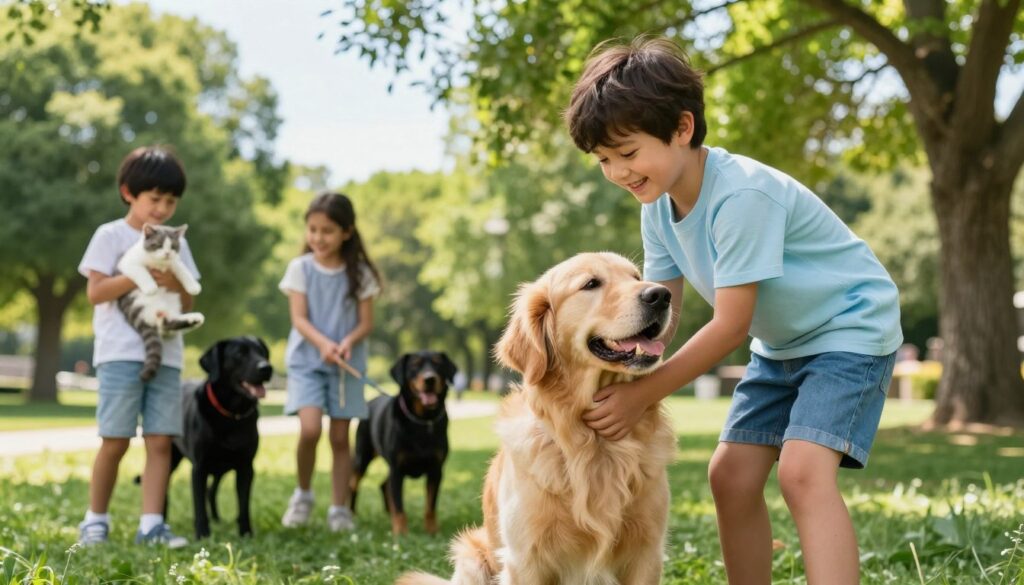
Training a pet is another Page where children learn patience. It involves repeating commands, rewarding good behaviour, and being patient with accidents or misunderstandings. Through this process, children develop persistence and understand that training is an ongoing effort.
- Repeating commands to reinforce learning
- Rewarding good behaviour to encourage positive actions
- Being patient with setbacks and accidents
Learning That Good Things Take Time
Caring for a pet teaches children that good things take time. Whether Page Page it’s waiting for a pet to heal, grow, or learn a new trick, children come to understand the value of patience and the rewards it brings. This lesson extends beyond pet care, influencing other areas of their lives.
Patience is a virtue that benefits many aspects of life, from personal relationships to academic and professional success. By learning patience through pet care, children are better equipped to handle life’s challenges with grace and resilience.
Emotional Comfort and Security
Children often find emotional solace and comfort in their pets, which can be a vital component of their emotional development. The emotional support provided by pets can play a significant role in a child’s mental health and well-being.
Pets as Unconditional Companions
Pets offer unconditional love and companionship to children, providing a sense of security and comfort. This unconditional acceptance helps children feel valued and understood, fostering a strong emotional bond between the child and the pet.
The role of pets as emotional support animals for children cannot be overstated. They provide a listening ear and a comforting presence, helping children navigate through difficult emotions and challenging situations.
Creating Safe Spaces for Emotional Expression
Pets can help create a safe and nurturing environment where children feel comfortable expressing their emotions. This safe space allows children to open up and share their feelings without fear of judgment, promoting healthy emotional expression and regulation.
The comfort of having a pet can be particularly beneficial during times of stress or anxiety, offering a calming influence that helps children manage their emotions more effectively.
The Power of Physical Touch and Comfort
Physical touch is a fundamental aspect of human connection, and pets provide a unique opportunity for children to experience this. Cuddling, petting, or simply holding a pet can offer immense comfort and reassurance, promoting a sense of security and well-being.
The table below highlights the various ways pets contribute to emotional comfort and security in children:
| Aspect of Emotional Comfort | How Pets Contribute |
|---|---|
| Unconditional Love | Pets offer love and acceptance without condition, making children feel valued. |
| Safe Space for Emotional Expression | Pets create a nurturing environment where children can express their emotions freely. |
| Physical Comfort | Pets provide physical touch and comfort, such as cuddling and petting, which can be soothing. |
In conclusion, pets play a vital role in providing emotional comfort and security to children. Through their unconditional companionship, creation of safe spaces for emotional expression, and the power of physical touch, pets significantly contribute to the emotional well-being of children.
Emotional Regulation and Anxiety Reduction
The bond between children and pets is not just heartwarming; it’s also beneficial for their emotional development. Pets play a significant role in helping children regulate their emotions and reduce anxiety.
Pets as Calming Influences During Stress
During stressful or overwhelming situations, pets can serve as calming influences. Interacting with pets has been shown to lower cortisol levels, the hormone associated with stress, and promote relaxation. For instance, petting a dog or cat can be a soothing experience for children, helping them to calm down and manage their stress more effectively.
“The simple act of petting an animal can reduce stress and anxiety in children,” notes a study on human-animal interactions. This calming effect can be particularly beneficial during times of change or uncertainty, providing children with a sense of stability and comfort.
How Animal Interactions Lower Anxiety
Interactions with pets can lower anxiety in children by providing them with a sense of companionship and unconditional support. Pets are non-judgmental friends who accept children as they are, helping to alleviate feelings of loneliness and isolation that can contribute to anxiety.
Techniques for Using Pet Interactions to Manage Emotions
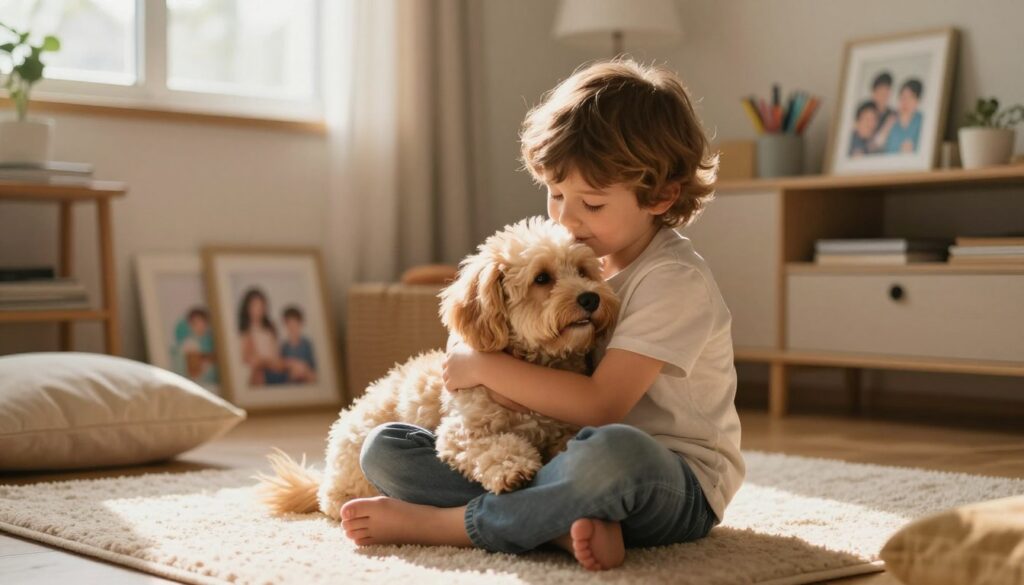
There are several techniques that parents and caregivers can use to help children manage their emotions through pet interactions. For example, encouraging children to engage in calm, gentle interactions with pets, such as petting or reading to them, can help promote relaxation. Additionally, involving children in the care of pets can teach them valuable lessons about responsibility and empathy, further supporting their emotional development.
By leveraging the human-animal bond, parents can provide their children with a powerful tool for managing emotions and reducing anxiety. As children grow and develop, the lessons they learn from their interactions with pets can have a lasting impact on their emotional well-being.
Building Confidence and Self-Esteem
Caring for pets can be a transformative experience for children, helping them build confidence and self-esteem. As children take on the responsibilities of pet care, they develop a sense of accomplishment and pride in their abilities.
Mastering Pet Care Skills
Mastering the skills required to care for a pet is a significant confidence booster for children. Feeding, grooming, and ensuring the overall well-being of their pet teaches them important life skills. As they successfully complete these tasks, they build a sense of competence that can translate to other areas of their lives.
Key pet care skills include:
- Feeding and hydration management
- Grooming and hygiene maintenance
- Providing exercise and mental stimulation
- Monitoring health and recognising signs of illness
The Pride of Being Needed and Trusted
Being needed and trusted by their pet can significantly enhance a child’s self-esteem. The bond formed between a child and their pet is built on mutual trust and affection. As children care for their pets, they understand the value of being responsible for another living being’s well-being.
“The love and companionship of pets can provide children with a sense of security and self-worth, helping them navigate the challenges of growing up.”
Overcoming Fears Through Pet Relationships
Interacting with pets can also help children overcome fears and anxieties. For many children, pets become a source of comfort and security, helping them feel more at ease in new or challenging situations. As children build a relationship with their pet, they learn to manage their fears and develop resilience.
| Benefits of Pet Care | Impact on Children |
|---|---|
| Mastering Pet Care Skills | Builds confidence and competence |
| Enhances self-esteem and sense of responsibility | |
| Overcoming Fears | Fosters resilience and comfort |
As illustrated, the role of pets in child development is multifaceted, contributing significantly to a child’s emotional and social growth. By caring for pets, children not only learn valuable life skills but also develop a stronger sense of self.
Pets as Social Facilitators
The bond between children and pets is not just emotional; it also has a profound impact on their social growth. Pets can act as catalysts for socialisation, helping children interact with others more effectively.
Breaking the Ice in Social Situations
Pets can help children break the ice in social situations, making it easier for them to form connections with others. For instance, a child with a dog is more likely to start conversations with other dog owners.
Creating Shared Experiences with Peers
Pets create opportunities for shared experiences among children, such as playing with the pet or discussing pet care. These shared experiences can foster friendships and a sense of community.
How Pets Help Children Develop Communication Skills
Interacting with pets helps children develop their communication skills, as they learn to understand and respond to their pet’s needs. This skill translates to human interactions, enhancing their ability to communicate effectively.
Real-Life Examples of Social Growth Through Pet Ownership
Many children who own pets exhibit improved social skills. For example, a child who struggles to make friends might find companionship and confidence through their pet, eventually translating to better human relationships.
“The simple presence of a pet can break down social barriers and facilitate interactions among children.”
| Social Skill | How Pets Help | Benefit |
|---|---|---|
| Breaking the Ice | Pets facilitate conversations | Easier to form connections |
| Shared Experiences | Pets create common ground | Fosters friendships |
| Communication Skills | Understanding pet needs | Enhanced human communication |
Conclusion: Nurturing Emotional Growth Through Pet Relationships
The bond between children and pets is a powerful catalyst for emotional development in children. Through pet relationships, children learn valuable life skills such as empathy, responsibility, and self-esteem, ultimately fostering emotional growth through pets.
Pets provide unconditional love and support, serving as a comforting presence that helps children navigate life’s challenges. By caring for pets, children develop a sense of purpose and learn to manage their emotions, reducing anxiety and stress.
Incorporating pets into family life can have a profoundly positive impact on children’s emotional well-being, making them an invaluable addition to families. As a result, pets can be considered a form of therapy, acting as pets as therapy for children’s emotions.
By understanding the importance of pet relationships in children’s emotional development, parents and caregivers can harness the benefits of pet ownership to raise emotionally intelligent and well-rounded children.