
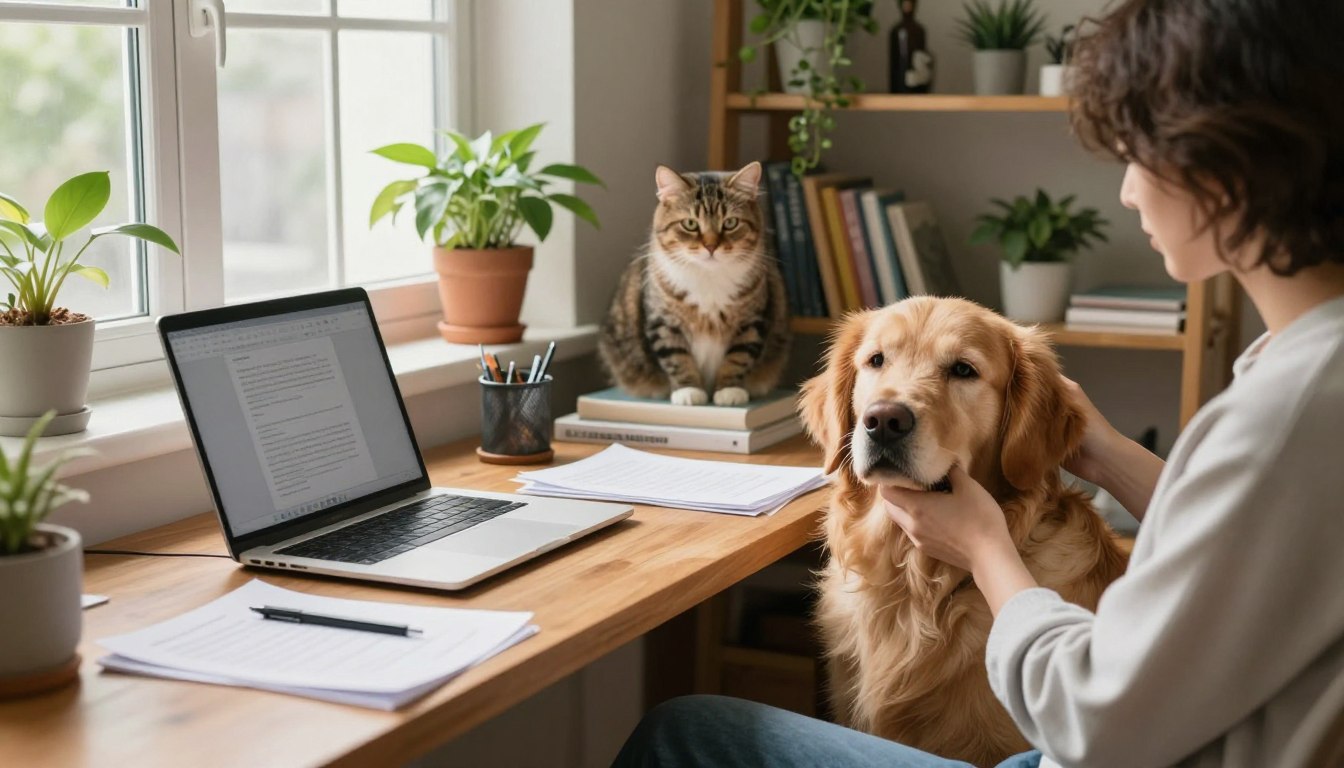
Being a dedicated pet parent can be challenging, especially when juggling a busy schedule. It’s not about being a bad pet parent; it’s about finding smarter routines that work for you and your furry friend.
Many pet owners struggle to achieve a healthy work-life balance with pets. With the demands of modern life, it’s easy to feel guilty about not spending enough time with your pet. However, with the right strategies, you can create a more harmonious balance between your work, life, and pet parenting responsibilities.
Key Takeaways
- Discover realistic time-management tips for busy pet parents.
- Learn how to create effective routines that work for you and your pet.
- Explore pet enrichment ideas that fit your busy schedule.
- Understand the benefits of remote work strategies for pet owners.
- Find emotional balance as a modern pet parent.
The Modern Challenge of Pet Parenting in a Busy World
As pets become increasingly integral to our families, the task of managing work and pet care responsibilities grows more complex. The modern pet parent is not just a caregiver but a guardian who provides emotional support and companionship. According to a recent survey, 67% of U.S. households own a pet, highlighting the significant role pets play in our lives.
The Rising Importance of Pets in Our Lives
Pets are no longer just animals; they are beloved family members who bring joy, comfort, and companionship. As Dr. Marty Becker, a veterinarian and animal behaviorist, notes, “Pets are now considered part of the family, and their needs are prioritized alongside those of human family members.” This shift in perspective has led to an increase in pet-related expenses and a growing demand for pet care services.
Common Struggles of Working Pet Parents
Working pet parents often face challenges such as finding time for pet care, managing work schedules, and dealing with feelings of guilt when leaving their pets behind. As one pet parent puts it, “I feel guilty leaving my dog alone for long hours, but I have to work to provide for him.” To mitigate these struggles, pet parents are turning to innovative solutions such as doggy daycare, pet-sitting services, and technology-enabled pet care tools.
Understanding Pet Parent Guilt: Why We Feel It and How It Affects Us
As modern pet parents navigate the complexities of work-life balance, a pervasive feeling often emerges: pet parent guilt. This sentiment is rooted in the emotional bond between pets and their owners, making it challenging to balance professional responsibilities with pet care.
Signs You’re Experiencing Pet Parent Guilt
Pet parents often exhibit certain behaviors or thought patterns that indicate they’re experiencing guilt. These can include:
- Constantly checking in on their pets while away, ensuring they’re safe and happy.
- Feeling anxious or uneasy about leaving their pets behind, even for short periods.
- Spending excessively on pet treats or toys, potentially as a form of compensation for time not spent together.
The Impact of Guilt on Your Wellbeing and Relationship with Your Pet
The guilt felt by pet parents can have significant effects on both their wellbeing and their relationship with their pets. It can lead to increased stress levels and anxiety, affecting overall mental health. Moreover, this guilt can sometimes result in overindulgence, potentially negatively impacting the pet’s behavior and health.
Understanding and managing pet parent guilt is crucial for achieving a healthier work-life-pet balance. By recognizing the signs and impacts of this guilt, pet parents can take steps towards a more balanced and fulfilling life with their pets.
Assessing Your Current Work-Life-Pet Balance
Balancing work, life, and pet parenting can be challenging, but with the right approach, it’s achievable. To start, it’s essential to assess your current situation and identify areas that need adjustment.
Evaluating Your Pet’s Needs Based on Species, Age, and Personality
Understanding your pet’s specific needs is crucial. Different species, ages, and personalities require varying levels of care and attention. For instance, dogs need regular exercise and training, while cats require less physical activity but benefit from mental stimulation. Puppies and kittens demand more time and training than adult pets. By evaluating these needs, you can better plan your day to accommodate your pet’s requirements.
Identifying Your Personal Balance Priorities
Once you’ve assessed your pet’s needs, it’s time to look at your own priorities. What are your non-negotiables? Are there specific times of the day that are more challenging for you? Identifying your priorities will help you create a more realistic and achievable balance. Consider your work schedule, personal time, and pet care responsibilities to find a harmony that works for you.
Creating a Realistic Schedule That Works for Both You and Your Pet
To achieve a harmonious balance between work, life, and pet parenting, it’s crucial to develop a schedule that works for both you and your pet. This involves understanding your pet’s needs, your work requirements, and your personal priorities.
Time-Blocking Techniques for Pet Parents
Time-blocking is an effective technique for pet parents to manage their time efficiently. By allocating specific time slots for work, pet care, and personal activities, you can create a balanced schedule. For instance, you can dedicate blocks of time in the morning and evening for pet care, such as feeding, walking, and playtime. Prioritizing your pet’s needs and your work commitments will help you create a realistic schedule.
https://www.youtube.com/watch?v=vI-eI_SF3vE
Building Pet Care Into Your Daily Workflow
Integrating pet care into your daily workflow can help you maintain a work-life balance. Consider taking breaks to spend time with your pet or incorporating pet care activities into your daily routine. For example, you can take a short walk with your dog during your lunch break or play with your cat while working from home. By being flexible and adaptable, you can create a schedule that meets both your work and pet care needs.
By implementing these strategies, pet parents can achieve a better balance between work, life, and pet care responsibilities, reducing guilt and increasing overall well-being.
Quality Over Quantity: Maximizing Your Time Together
As a pet parent, focusing on the quality of your interactions with your pet can significantly enhance your bond. It’s not about the amount of time you spend with your pet, but how you use that time to create meaningful experiences.
High-Value Interaction Activities That Take 15 Minutes or Less
Incorporating short, high-value activities into your daily routine can greatly benefit your pet’s mental and physical health. These activities don’t have to be time-consuming; even brief moments can be incredibly rewarding.
For Dogs: Quick Engagement Ideas
Hide-and-seek and short training sessions are excellent ways to engage your dog in a fun and mentally stimulating activity.
For Cats: Brief But Meaningful Interactions
Engage your cat with laser pointers or feather toys for a quick play session, or provide interactive puzzle toys to challenge their minds.
Creating Meaningful Morning and Evening Rituals
Establishing consistent morning and evening rituals can provide a sense of security and comfort for your pet. Simple activities like a morning brisk walk or an evening cuddle session can strengthen your bond and create lasting memories.
By focusing on the quality of your interactions and incorporating these rituals into your daily routine, you can achieve a better balance between work, life, and pet parenting, reducing feelings of guilt and increasing overall satisfaction.
Practical Strategies to Balance Work, Life, and Pet Parenting
The modern pet parent faces a unique set of challenges in balancing their work schedule, personal life, and the needs of their pets. To manage these responsibilities effectively, it’s essential to employ practical strategies that cater to both your professional and parental obligations.
Technology Tools and Apps for Modern Pet Parents
Leveraging technology can significantly ease the burden of pet parenting. Various apps and tools are designed to help you stay connected with your pet’s needs, even when you’re not physically present.
- Pet Monitoring Systems: Allow you to keep an eye on your pet’s activities and well-being remotely.
- Automated Feeders: Ensure your pet is fed on schedule, even when you’re away.
- Virtual Vet Consultations: Provide convenient access to veterinary advice without the need for in-person visits.

Delegation Strategies: When and How to Get Help
Recognizing when to seek help is crucial in maintaining a healthy work-life-pet balance. Delegation can come in various forms, such as hiring a pet sitter or asking a trusted neighbor to check in on your pet.
Key Delegation Strategies:
- Identify tasks that can be delegated, such as dog walking or pet grooming.
- Establish a network of trusted individuals or services that can provide support.
- Communicate clearly with those helping you to ensure your pet’s needs are met.
By implementing these strategies, pet parents can better manage their work, life, and pet responsibilities, leading to a more balanced and guilt-free lifestyle.
Remote Work Strategies: Thriving with Pets as Colleagues
With the rise of remote work, pet parents are finding innovative ways to balance their job responsibilities with their pets’ needs. This new work environment presents both opportunities and challenges.
Setting Boundaries When Working from Home with Pets
Establishing clear boundaries is crucial when working from home with pets. This includes designating pet-free zones and times, as well as creating a schedule that works for both you and your pet.
- Create a dedicated workspace that is pet-free.
- Establish regular working hours to maintain a routine.
- Use positive reinforcement to train your pet to respect your workspace.
Creating a Pet-Friendly Home Office Setup
A pet-friendly home office can enhance your work experience. Consider incorporating elements that promote comfort and reduce distractions.
- Providing a comfortable area for your pet near your workspace.
- Using calming aids like pheromone diffusers or calming music.
- Investing in pet-friendly furniture.
Managing Video Calls with Pets Around
Video calls can be challenging with pets present. Minimize distractions by keeping your pet occupied or in a separate room during calls.
Handling Unexpected Pet Interruptions
Unexpected interruptions are inevitable. Stay calm and have a plan in place, such as having treats ready or knowing how to quickly refocus your pet’s attention.
Pet Enrichment Ideas for Busy Work Days
Busy workdays don’t have to mean a dull, inactive life for your pet; there are numerous ways to enrich their day. As a pet parent, it’s essential to ensure your furry friend remains stimulated and engaged, even when you’re not around. Pet enrichment activities not only keep your pet happy but also contribute to their overall well-being by reducing stress and preventing boredom.
Mental Stimulation Toys and Activities for Home-Alone Pets
Mental stimulation is crucial for pets, especially when they’re left alone for extended periods. Interactive puzzle toys are an excellent way to challenge your pet’s mind. These toys require problem-solving to access treats, keeping your pet engaged for considerable periods. You can also try hide-and-seek games by hiding treats or toys around the house, encouraging your pet to sniff them out.
Another engaging activity is providing your pet with scent work. Introduce your pet to different scents and hide them in various locations, encouraging your pet to follow the scent trails. This activity not only stimulates their sense of smell but also provides mental exercise.
| Toy/Activity | Description | Benefits |
|---|---|---|
| Interactive Puzzle Toys | Toys that require problem-solving to access treats. | Mental stimulation, reduces boredom. |
| Hide-and-Seek | Hiding treats or toys around the house for your pet to find. | Encourages problem-solving and sniffing. |
| Scent Work | Introducing different scents for your pet to follow. | Stimulates sense of smell, mental exercise. |
Creating an Engaging Environment When You’re Not There
Creating an engaging environment for your pet involves making simple changes to their surroundings. Rotate toys regularly to keep things fresh and interesting. You can also create a pet-friendly outdoor view by placing bird feeders or other wildlife attractors near windows, providing entertainment through observation.
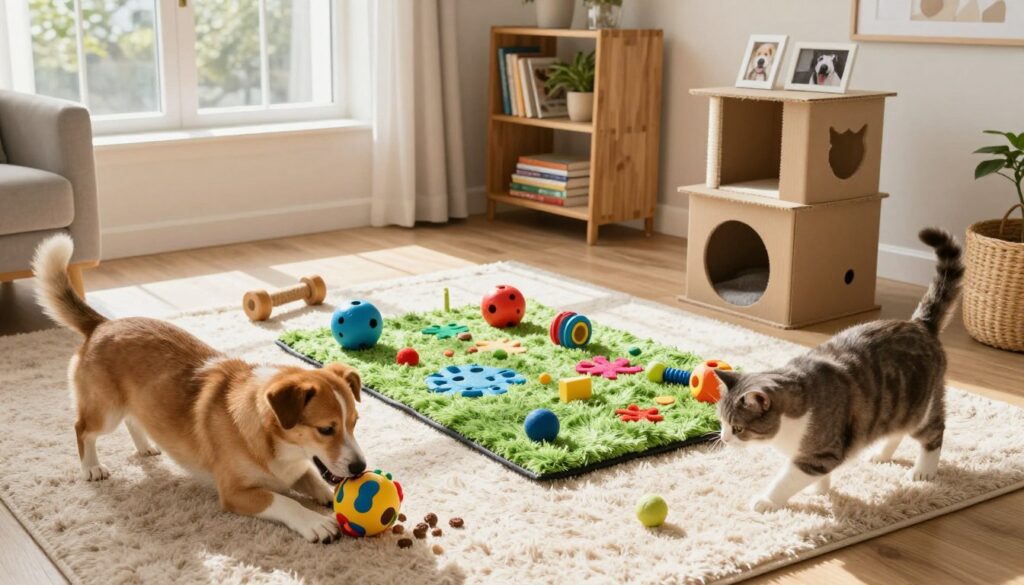
Another idea is to leave a TV or radio on with calming music or nature sounds, which can be soothing for pets. For pets that enjoy the outdoors, consider setting up a secure outdoor enclosure where they can safely explore and experience the outdoors while you’re away.
By implementing these pet enrichment ideas, you can achieve a better work-life balance as a pet parent and ensure your pet leads a happy, engaged life even on busy workdays.
Managing Different Work Situations: Office, Hybrid, and Travel
The modern pet parent faces a unique set of challenges when it comes to balancing work and pet care across different work environments. Whether you’re office-based, working in a hybrid arrangement, or frequently traveling for business, each situation demands a tailored approach to maintaining a healthy work-life-pet balance.
Solutions for Office-Based Pet Parents
For those working in an office, the challenge lies in ensuring your pet is well cared for while you’re away. Exploring local dog walkers or pet sitters can provide your pet with the necessary exercise and companionship. Additionally, some offices are now pet-friendly, allowing you to bring your pet to work. This can be a great solution for reducing separation anxiety in pets and allowing for more interaction during the day.
Navigating Hybrid Work Arrangements
Hybrid work arrangements offer flexibility but can also complicate pet care. To manage this, create a schedule that balances workdays at home with days in the office. On home days, you can directly care for your pet’s needs, while on office days, you’ll need to rely on pet care services or a trusted neighbor. Utilizing technology, such as pet cameras, can also help you stay connected to your pet’s well-being.
Handling Business Travel as a Pet Parent
For those who travel frequently, planning ahead is crucial. Researching pet-friendly accommodations and services at your destination can make trips less stressful for both you and your pet. When you can’t take your pet with you, arranging for a trusted pet sitter or boarding facility is essential. Leaving detailed care instructions can help ensure your pet’s needs are met.
By adopting these strategies, pet parents can better navigate the challenges of different work situations, ensuring a more balanced and fulfilling life for both themselves and their pets.
Emotional Balance: Overcoming Guilt and Setting Realistic Expectations
Achieving emotional balance is crucial for pet owners striving to harmonize their work, life, and pet care responsibilities. As a pet parent, it’s natural to feel a deep sense of responsibility for your pet’s well-being, which can sometimes manifest as guilt when you’re not able to spend as much time with them as you’d like.
Recognizing When You’re Being Too Hard on Yourself
It’s easy to be overly critical of yourself as a pet parent. You might feel that you’re not doing enough or that you’re neglecting your pet’s needs. However, it’s crucial to assess whether these feelings are justified by considering factors like providing basic necessities and spending quality time with your pet.
- Ensuring your pet has food, water, and shelter
- Spending quality time together, even if brief
- Meeting your pet’s physical and emotional needs
Celebrating the Small Wins in Pet Parenting
Celebrating small victories can help maintain emotional balance. Whether it’s a successfully trained pet or a joyful day together, acknowledging these moments can shift your focus toward the positive aspects of pet care. Some ways to celebrate include treating yourself or sharing your success with others.
- Treating yourself to something enjoyable
- Sharing your success with friends or family
- Reflecting on the joy your pet brings
Conclusion: Embracing Imperfect Balance in Pet Parenting
Balancing work, life, and pet parenting is a challenging yet achievable goal. By understanding your pet’s needs, creating a realistic schedule, and leveraging technology, you can manage your work and pet responsibilities effectively. The key is to focus on quality over quantity and make the most of the time you spend with your pet.
Implementing tips for balancing work and pet care, such as time-blocking and pet enrichment activities, can significantly improve your overall wellbeing and relationship with your pet. It’s about finding a balance that works for you and your pet, rather than striving for perfection.
By embracing imperfect balance, you can reduce guilt and anxiety, leading to a more fulfilling life for both you and your pet. Remember, it’s the small, meaningful moments that count, not the amount of time you spend together.