
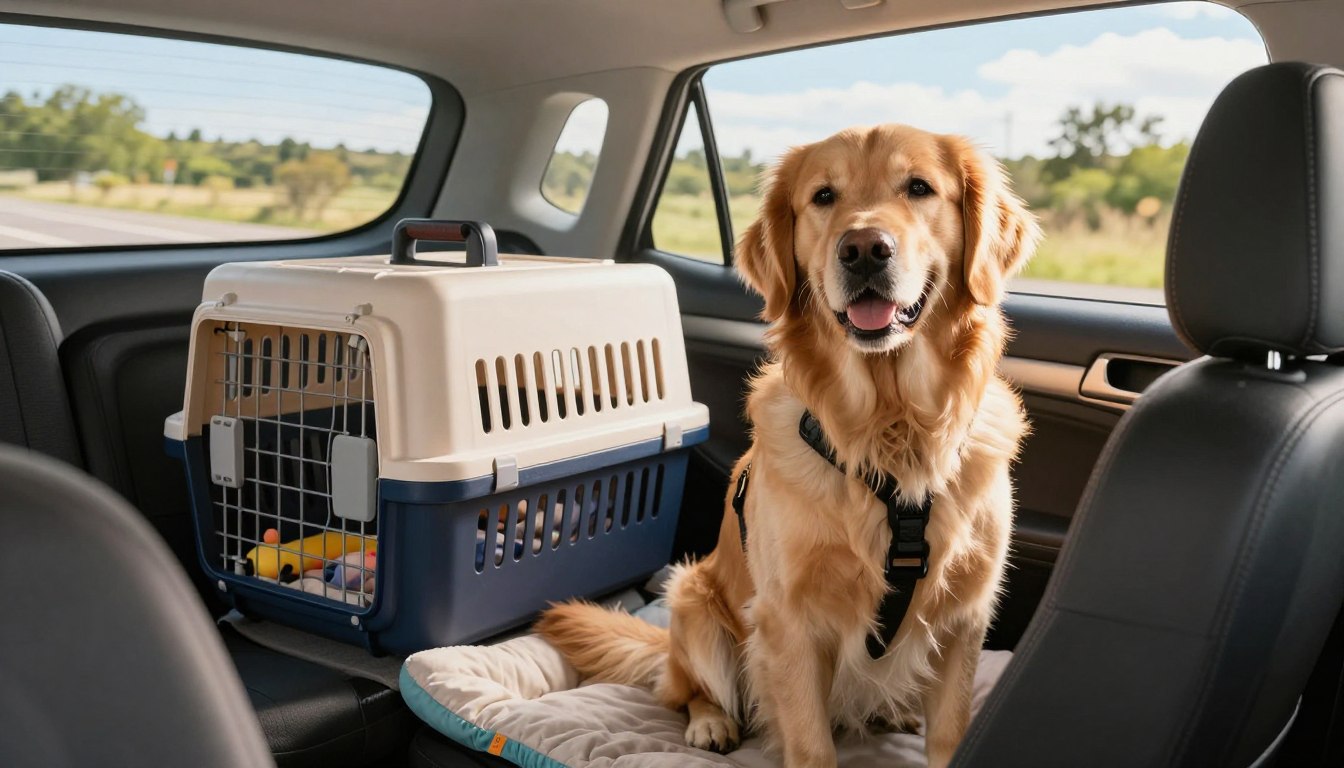
As a pet parent, travelling with your furry friend can be a daunting task. Ensuring their safety and comfort is paramount.
This comprehensive guide will walk you through the essential steps to prepare your pet for safe car and air travel. From pre-travel preparation to post-travel care, we’ve got you covered.
With our expert travel tips, you’ll be able to create a stress-free adventure for both you and your pet.
Key Takeaways
- Pre-travel preparation is crucial for a smooth journey
- Safety tips for car rides can help reduce stress for pets
- Understanding airline travel rules is essential for air travel
- Packing checklists can help ensure you don’t forget essentials
- Calming techniques can soothe anxious pets during travel
Understanding Your Pet’s Travel Needs
Before you start planning your trip, it’s essential to understand your pet’s travel needs to ensure a safe and enjoyable journey. Different pets have unique requirements, and assessing these needs is crucial for a stress-free trip.
Assessing Your Pet’s Travel Readiness
Evaluating your pet’s travel readiness involves considering their age, health, and temperament. For instance, senior pets may require more attention to their health, while puppies may need more socialisation and training. Consult with your veterinarian to determine the best approach for your pet.
Common Travel Concerns for Different Pet Types
Different types of pets have distinct travel concerns. Dogs may require more exercise and training, while cats may need more attention to their carrier and environment. Understanding these concerns will help you prepare your pet for travel.
Health Considerations Before Travel
Health considerations are vital before travelling with your pet. Ensure your pet is up-to-date on vaccinations and preventatives, such as flea and tick medication. Consult with your veterinarian to determine the best health measures for your pet.
By understanding your pet’s travel needs and addressing any concerns, you can ensure a safe and enjoyable trip for both you and your pet.
Essential Pre-Travel Preparation Steps
Before embarking on a journey with your pet, it’s crucial to undertake several preparatory steps to ensure a smooth and safe trip. Proper preparation can significantly reduce stress for both you and your pet, making the travel experience more enjoyable.
Scheduling a Veterinary Check-up
The first step in preparing your pet for travel is scheduling a veterinary check-up. This visit is essential to ensure your pet is healthy enough for travel and to address any health concerns. Your vet can provide advice tailored to your pet’s specific needs and health status.
Updating Vaccinations and Documentation
It’s vital to ensure your pet’s vaccinations are up-to-date and that you have all necessary documentation. Some destinations require specific vaccinations, so it’s crucial to research the requirements for your travel destination. Having your pet’s health records organised can also facilitate any medical care needed during travel.
Microchipping and ID Tag Importance
Microchipping your pet and ensuring their ID tags are current can be lifesaving if your pet becomes lost during travel. Make sure the information on the microchip and ID tags is accurate and up-to-date.
Practising Short Trips Before Long Journeys
To help your pet become more comfortable with travel, practising short trips before embarking on a long journey is advisable. This can help reduce your pet’s anxiety and make the travel experience less stressful for both of you.
Comprehensive Travel Tips for Pet Parents
Pet travel safety begins with understanding the specific needs of your pet and taking steps to prepare them for the journey ahead. Whether you’re travelling by car or air, there are several key considerations to ensure your pet’s safety and comfort.
General Safety Guidelines for All Pets
When travelling with pets, it’s crucial to follow general safety guidelines. This includes ensuring your pet is properly restrained, keeping hazardous materials out of reach, and being aware of potential travel stressors. Always check with your airline or transport provider for pet travel policies before booking your trip.
- Use a well-ventilated, secure pet carrier or crate.
- Keep your pet’s identification and health records easily accessible.
- Pack essential supplies like food, water, and medication.
Acclimating Your Pet to Travel Carriers
Acclimating your pet to their travel carrier can significantly reduce anxiety during journeys. Start by introducing the carrier gradually, allowing your pet to explore it at their own pace. Place treats or toys inside to make it a welcoming space. Encourage your pet to enter the carrier voluntarily, and gradually increase the time they spend inside.
Managing Pet Anxiety During Journeys
Managing pet anxiety is crucial for a stress-free journey. Techniques include providing a familiar comfort item, using calming aids like pheromone diffusers or calming treats, and maintaining a calm environment. Consult with your veterinarian for advice tailored to your pet’s needs.
- Use calming products specifically designed for pets.
- Keep your pet’s favourite toys or blankets nearby.
- Minimise loud noises and sudden movements.
Special Considerations for Senior Pets
Senior pets require special consideration when travelling. Their age may bring additional health concerns, so it’s essential to consult with your veterinarian before travelling. Adjust your travel plans to accommodate their comfort and needs, such as more frequent breaks during car travel.
By following these comprehensive travel tips, pet parents can ensure a safer, more enjoyable journey for their pets.
Car Travel Safety Essentials
Ensuring your pet’s safety during car travel is paramount. As a pet owner, it’s crucial to take the necessary precautions to prevent injury and ensure a comfortable journey for your furry friend.
Proper Restraint Systems for Dogs
Using a proper restraint system is vital for dog safety during car travel. A dog harness or carrier can help prevent your dog from being thrown around or ejected from the vehicle in the event of sudden stops or accidents. According to the American Society for the Prevention of Cruelty to Animals (ASPCA), “dogs should be properly restrained to prevent injury to themselves and others in the vehicle.”
Secure Carriers for Cats and Small Pets
For cats and small pets, a secure carrier is essential. The carrier should be well-ventilated, sturdy, and large enough for your pet to stand up, turn around, and lie down comfortably.
“A secure carrier can be a safe haven for your pet during car travel,” says a pet safety expert.
Ensure the carrier is placed in a stable position and won’t slide around or tip over during the journey.
Creating a Comfortable Car Environment
Creating a comfortable car environment is crucial for reducing your pet’s stress and preventing motion sickness. Ensure good ventilation by cracking open a window or using the car’s air conditioning. Maintain a comfortable temperature, and consider bringing your pet’s favourite toys or blankets to provide a sense of familiarity.
Preventing Motion Sickness and Discomfort
To prevent motion sickness, avoid feeding your pet a large meal before travel. Instead, offer small, light meals a few hours before departure. Consider using motion sickness remedies or consulting with your veterinarian for advice on preventing travel sickness. Regular breaks during long journeys can also help reduce discomfort.
Planning Successful Road Trips with Pets
To ensure a smooth journey, it’s essential to plan your road trip with your pet in mind. A well-planned trip can make all the difference in creating a fun and stress-free experience for both you and your pet.
Mapping Pet-Friendly Stops and Attractions
When planning your route, consider mapping out pet-friendly stops and attractions along the way. This can include parks, pet-friendly restaurants, and other pet-welcoming destinations. Websites and apps like BringFido and PetFriendlyTravel can be invaluable resources in finding the perfect spots to visit with your pet.
Scheduling Regular Breaks and Exercise
Regular breaks are crucial for your pet’s comfort and well-being during long road trips. Plan to stop every few hours to let your pet stretch, exercise, and relieve themselves. These breaks can also be a great opportunity to provide your pet with some mental stimulation and snacks.
Finding Pet-Friendly Accommodations
Booking pet-friendly accommodations is a must when travelling with your pet. Research hotels, motels, or vacation rentals that welcome pets and make reservations in advance to avoid any last-minute hassles. Many pet-friendly accommodations also offer amenities tailored to pets, such as dog beds and treats.
Emergency Preparedness on the Road
Being prepared for emergencies is vital when travelling with your pet. Make sure you have a pet first-aid kit in your vehicle, and know the location of nearby veterinary clinics along your route. Keeping a list of emergency contact numbers, including your veterinarian and a pet poison hotline, can also be lifesaving.
| Pet-Friendly Activity | Location Type | Tips |
|---|---|---|
| Hiking | National Parks, Local Trails | Keep your pet on a leash, bring water and snacks. |
| Visiting Pet-Friendly Restaurants | Cafes, Restaurants with Outdoor Seating | Call ahead to confirm pet policies, keep your pet on a leash. |
| Staying in Pet-Friendly Accommodations | Hotels, Vacation Rentals | Book in advance, ask about pet amenities. |
Air Travel Regulations and Requirements
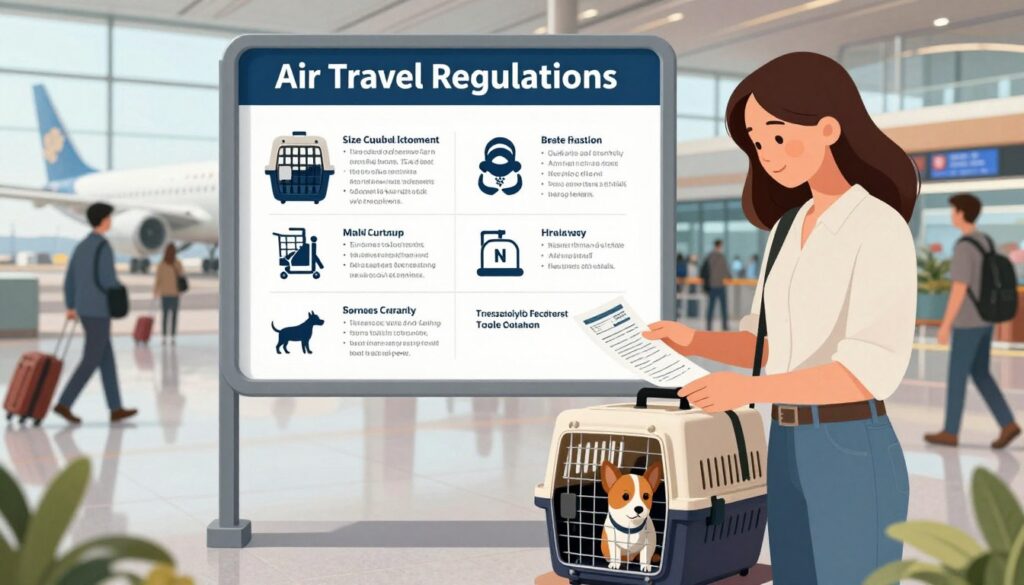
Navigating air travel with pets requires a thorough understanding of the complex regulations and requirements. Different airlines have varying policies regarding pets, and it’s crucial for pet owners to research and compare these policies before booking a flight.
Airline-Specific Pet Policies Comparison
When planning to travel with your pet, it’s essential to understand the specific pet policies of different airlines. Some airlines allow pets in the cabin, while others may require them to travel as checked baggage or cargo. Comparing these policies can help you choose the most suitable airline for your pet’s needs.
| Airline | Cabin Pet Policy | Cargo Pet Policy |
|---|---|---|
| American Airlines | Allowed in carriers, fee applies | Allowed, specific crate requirements |
| Delta Air Lines | Allowed in carriers, fee applies | Allowed, specific crate requirements |
| United Airlines | Allowed in carriers, fee applies | Allowed, specific crate requirements |
Cabin vs. Cargo Considerations and Risks
Deciding whether your pet should travel in the cabin or as cargo depends on several factors, including the size of your pet, the airline’s policies, and your pet’s comfort level. Cabin travel is generally considered safer and less stressful for pets, but it has size limitations. Cargo travel is an option for larger pets, but it comes with its own set of risks and requirements.
“The decision to travel with your pet should be made with careful consideration of their well-being and safety.”
International Travel Requirements and Restrictions
International travel with pets involves additional regulations and requirements, including obtaining a health certificate, complying with import regulations, and ensuring your pet is properly vaccinated. Researching the destination country’s regulations well in advance is crucial to avoid complications.
Service Animal vs. Emotional Support Animal Rules
Understanding the difference between service animals and emotional support animals is vital, as airlines have different policies for each. Service animals are trained to perform specific tasks for individuals with disabilities, while emotional support animals provide comfort and companionship. Recent changes in regulations have tightened the rules around emotional support animals, so it’s essential to check with your airline.
By understanding and complying with air travel regulations and requirements, pet owners can ensure a safe and stress-free journey for their pets.
Preparing Your Pet for Air Travel
To make air travel less stressful for your pet, it’s essential to prepare them in advance. Air travel can be challenging for pets, but with the right preparation, you can ensure a smoother journey.
Effective Crate Training Techniques
Crate training is a critical step in preparing your pet for air travel. It involves acclimating your pet to their carrier to reduce anxiety during the flight. Start by introducing the crate gradually, allowing your pet to explore it at their own pace. Make the crate a comfortable space by adding familiar bedding and toys.
Tips for Successful Crate Training:
- Begin crate training weeks in advance of your flight.
- Place your pet’s favourite treats and toys inside the crate.
- Encourage your pet to enter the crate voluntarily.
Airport Navigation Tips with Pets
Navigating the airport with your pet requires some planning. Arrive early to account for check-in and security procedures. Keep your pet’s carrier easily accessible and be prepared to remove them from the carrier if required during security checks.
Day-of-Flight Preparation Timeline
Creating a day-of-flight timeline can help reduce stress on the day of travel. Here’s a simple checklist:
| Time | Task |
|---|---|
| 2 hours before the flight | Feed your pet a light meal. |
| 1 hour before the flight | Take your pet for a short walk or playtime. |
| 30 minutes before the flight | Check in and proceed to security. |
Managing Security Checkpoints with Pets
Security checkpoints can be daunting with pets. To make this process smoother, be prepared to remove your pet from its carrier and hold it while the carrier goes through the X-ray machine. Keep your pet calm and follow the instructions of security personnel.
Remember, staying calm and patient during security checks can help keep your pet calm as well.
The Ultimate Pet Travel Packing Checklist
A well-prepared pet owner knows that packing the right supplies is key to a stress-free journey. Whether you’re travelling by car or air, having the essentials ready can make a significant difference in your pet’s comfort and safety.
Essential Documents and Digital Backups
Before you leave, ensure you have all the necessary documents for your pet. This includes up-to-date vaccination records, health certificates, and identification tags. It’s also a good idea to make digital copies of these documents and store them securely online or on your mobile device.
Food, Water, and Feeding Supplies
Pack enough of your pet’s regular food and treats to last the duration of your trip, plus some extra in case of unexpected delays. Don’t forget to bring a portable water bowl and a supply of your pet’s favorite water to prevent dehydration.
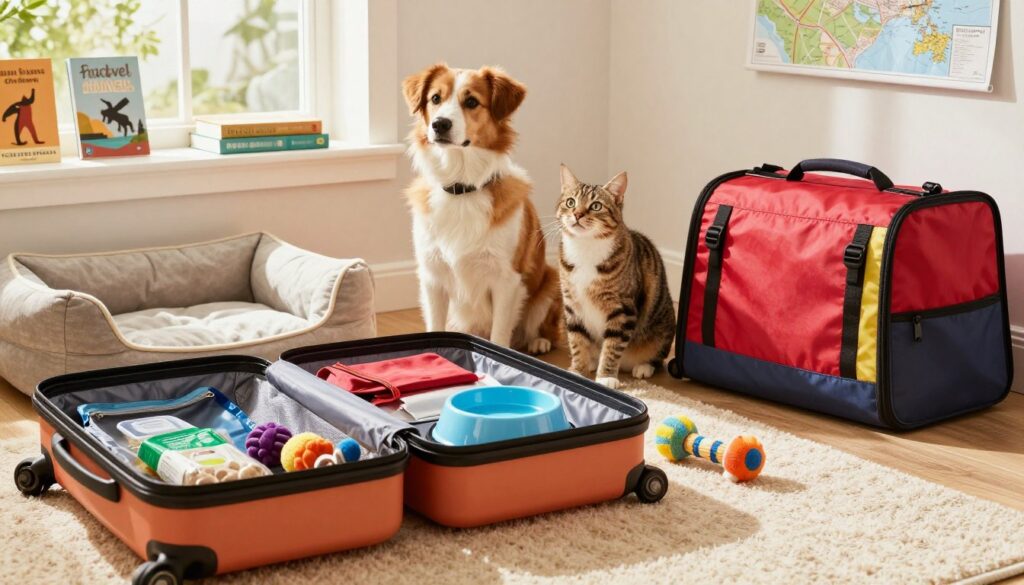
Comfort Items, Bedding, and Toys
Bringing familiar items from home can help reduce your pet’s stress during travel. Pack their favourite toys, bedding, and any comfort items that can provide reassurance in new environments.
First Aid Kit and Medication Essentials
A pet first aid kit is crucial for handling minor injuries or illnesses during your trip. Include items like bandages, antiseptic wipes, tweezers, and any medications your pet may need. Don’t forget to pack a manual or guide on pet first aid.
Cleaning Supplies and Waste Management
Keeping your pet’s environment clean is vital during travel. Pack cleaning supplies such as wipes, a portable litter box (if applicable), and waste bags to manage your pet’s waste effectively.
| Category | Items to Pack |
|---|---|
| Essential Documents | Vaccination records, health certificates, ID tags |
| Food and Water | Pet food, treats, portable water bowl, water |
| Comfort Items | Favourite toys, bedding, comfort items |
| First Aid Kit | Bandages, antiseptic wipes, tweezers, medications |
| Cleaning Supplies | Wipes, portable litter box, waste bags |
Effective Calming Techniques for Anxious Pets
Many pets experience anxiety during travel, and it’s crucial to find effective calming methods. Anxiety in pets can manifest in various ways, including panting, pacing, and whining, making it essential to address their stress to ensure a comfortable journey for both the pet and the owner.
Natural Calming Methods and Exercises
Natural calming methods can be highly effective in reducing pet anxiety. Techniques such as pheromone therapy, which mimics the calming scent mother dogs produce to calm their puppies, and calming music designed to soothe pets, can create a more relaxed environment. Gentle exercises and massage can also help calm your pet before and during travel.
Appropriate Use of Calming Products and Accessories
There are various calming products and accessories available that can provide relief to anxious pets. Calming collars and vests are popular options, as they often contain synthetic pheromones or other calming ingredients. It’s essential to follow the manufacturer’s instructions and consult with a veterinarian before using any new product.
When to Consider Veterinary-Prescribed Medication
In some cases, veterinary-prescribed medication may be necessary to manage severe anxiety in pets. Consulting with a veterinarian is crucial to determine the best course of action and to discuss potential side effects and interactions with other medications.
Recognizing and Addressing Panic Behaviors
Recognising the signs of panic in pets, such as excessive barking, destructive behaviour, or attempts to escape, is vital. If your pet exhibits these behaviours, it’s essential to remain calm and try to comfort them. In severe cases, professional help from a veterinarian or animal behaviourist may be needed to develop a plan to manage your pet’s anxiety.
Post-Travel Pet Care and Recovery
Travelling can be stressful for pets, making post-travel care crucial. After a trip, your pet may exhibit signs of fatigue or anxiety, requiring extra attention to help them recover.
Recognising Travel Stress Symptoms
Common symptoms include lethargy, loss of appetite, and changes in behaviour. Monitoring these signs can help you identify when your pet needs additional care.
Helping Your Pet Adjust to New Environments
Upon returning home, give your pet time to readjust. Maintain a calm environment and provide familiar comfort items to ease the transition.
Reestablishing Routines After Travel
Stick to your pet’s regular feeding schedule, exercise routine, and sleep patterns to provide a sense of normalcy.
When to Seek Veterinary Attention
If your pet shows severe signs of stress or if symptoms persist, consult your veterinarian. They can provide guidance on the best course of action for your pet’s recovery.
| Symptom | Action |
|---|---|
| Lethargy | Provide a quiet rest area |
| Loss of Appetite | Offer familiar foods |
| Behavioral Changes | Consult a veterinarian |
Conclusion: Ensuring Stress-Free Adventures with Your Pet
Travelling with your pet can be a rewarding experience when done correctly. By following the guidelines outlined in this article, you can create a stress-free adventure for both you and your pet. Effective pre-travel preparation, safe car and air travel practices, and post-travel care are essential for an enjoyable journey.
Implementing pet travel tips such as acclimating your pet to travel carriers, managing anxiety, and packing essential supplies can make a significant difference. With careful planning, you can ensure a stress-free pet travel experience, creating unforgettable memories with your furry friend.
By understanding your pet’s travel needs and taking necessary precautions, you can enjoy a safe and enjoyable trip together. Whether you’re embarking on a road trip or flying to a new destination, being prepared is key to a successful journey.