
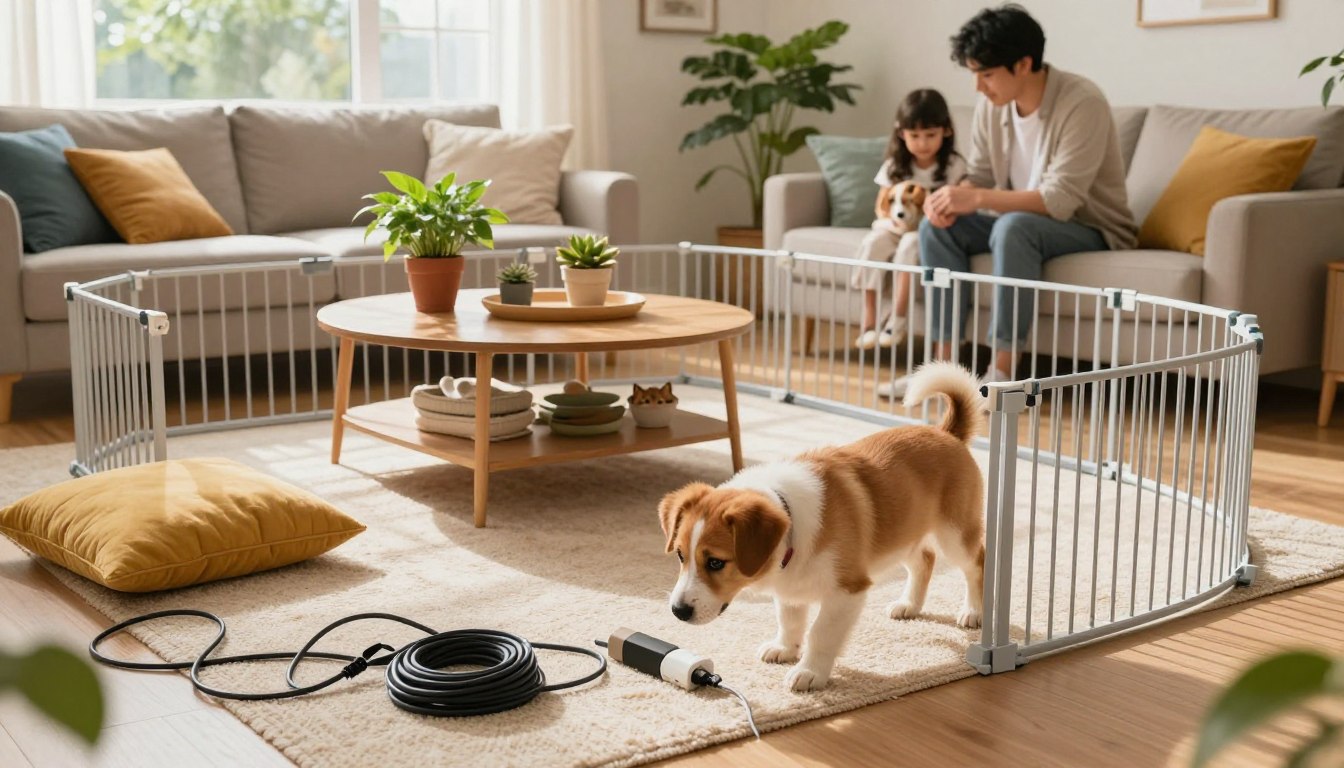
As a pet parent, ensuring pet-friendly living spaces is crucial for the safety and well-being of your furry friends. Your home may look safe, but to a curious pet, it’s full of hidden dangers that can be easily overlooked.
Taking proactive pet safety measures can prevent accidents and ensure a safe environment. This article provides a comprehensive checklist to help you identify and mitigate potential hazards in every room, from electrical cords and chemicals to choking hazards, furniture, windows, and balconies.
Key Takeaways
- Identify potential hazards in your home that can harm your pets.
- Learn how to create a pet-friendly living space.
- Discover essential pet safety measures to prevent accidents.
- Get a comprehensive checklist to pet-proof your home.
- Understand the importance of securing electrical cords and chemicals.
Why Pet-Proofing Your Home Matters
Pet-proofing your home is not just a precaution; it’s a necessity for responsible pet ownership. Pets, especially curious ones, can easily get into trouble if the home environment is not secured.
Common Household Dangers for Pets
Pets face numerous dangers in a typical household, including toxic substances, electrical cords, and sharp objects. Toxic substances can range from cleaning supplies to certain foods that are harmful to pets. Electrical cords can cause electrocution if chewed on, and sharp objects can lead to cuts or internal injuries.
The Cost of Prevention vs. Emergency Care
Preventing accidents is not only safer for pets but also more cost-effective. The cost of emergency veterinary care can be high, and some accidents can lead to lifelong health issues for pets.
| Action | Cost |
|---|---|
| Pet-Proofing Measures | $50-$100 |
| Emergency Veterinary Care | $500-$1,000 |
By investing in animal-proofing techniques and creating a pet-friendly home design, pet owners can significantly reduce the risk of accidents and ensure a safer environment for their pets.
Understanding Your Pet’s Behavior and Risks
To keep your pets safe, it’s essential to understand their behavior and the risks they face at different stages of their lives. Pets, much like humans, have unique personalities and needs that evolve over time. Recognizing these needs is the first step in pet-friendly house tips and creating a safe environment.
Different Risks for Different Species
Different species pose different risks. For instance, dogs are more likely to ingest foreign objects, while cats are prone to climbing and potentially falling from heights. Understanding these species-specific behaviors can help you tailor your approach to ways to make your home pet-safe.
Age-Specific Considerations
Pets go through various life stages, each with its unique risks. Here’s a breakdown:
Puppies and Kittens
Young pets are naturally curious and love to explore their surroundings through biting and chewing. This behavior puts them at risk of ingesting toxic substances or objects that can cause choking or internal damage. Supervision and securing loose items are key to preventing accidents.
Adult Pets
Adult pets are generally more settled but can still pose risks, especially if they have established behaviors like counter-surfing or digging. Ensuring that hazardous materials are out of reach and providing adequate exercise and mental stimulation can mitigate these risks.
Senior Pets
Older pets may experience declining senses and mobility, making them more susceptible to accidents like slipping or getting trapped. Creating a safe and accessible living space is crucial for their well-being.
By understanding the specific risks associated with your pet’s species and age, you can take targeted measures to ensure their safety and well-being.
Essential Pet-Proofing Your Home Basics
Creating a safe environment for your pets is crucial for their well-being and happiness. Pet-proofing your home involves more than just a few quick fixes; it requires a comprehensive approach to ensure your home is both safe and comfortable for your pets.
General Safety Principles
When it comes to securing your home for pets, general safety principles should be your first consideration. This includes keeping hazardous materials out of reach, securing loose wires, and blocking off areas that could be dangerous for your pets.
It’s also important to be mindful of pet-friendly home decor choices, opting for furniture and decorations that are non-toxic and won’t cause harm if ingested.
Tools and Products for Pet-Proofing
There are numerous tools and products available to help you pet-proof your home. From cabinet locks to cord protectors, these items can significantly reduce the risk of accidents.
Some popular products include pet gates, which can block off stairs or certain rooms, and pet-safe cleaning products, which reduce the risk of poisoning.
Creating Pet-Safe Zones
One effective way to ensure your pet’s safety is by creating pet-safe zones within your home. These are areas where your pets can relax, play, and eat without being exposed to hazards.
To create a pet-safe zone, start by designating a specific area, such as a corner of the living room or a section of the kitchen. Make sure this area is free from hazardous materials and electrical cords.
- Use pet-friendly materials for bedding and decoration.
- Keep the area clean and clutter-free.
- Ensure your pets have access to fresh water and a comfortable place to rest.
Electrical Cord Safety Throughout Your Home
To keep your pets safe, it’s critical to manage electrical cords effectively throughout your home. Electrical cords can be hazardous if chewed on, potentially leading to electrical shock or fires. A comprehensive approach to cord safety is essential for pet-proofing your home.
Cord Management Techniques
Effective cord management involves securing cords out of your pet’s reach. This can be achieved by:
- Routing cords behind furniture or along baseboards.
- Using cord organizers or cable ties to keep cords tidy.
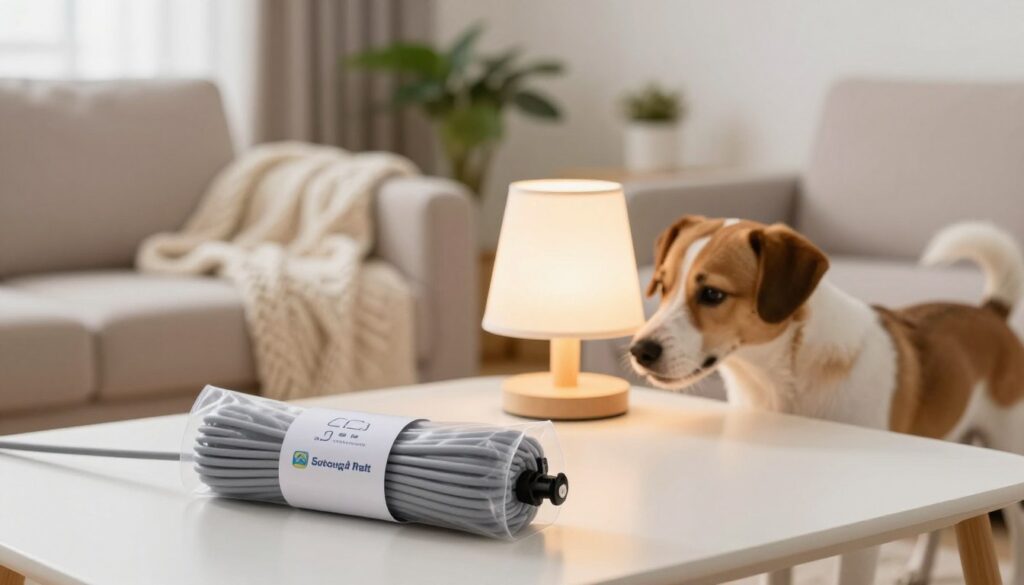
- Securing cords with tape or cord protectors to prevent pets from accessing them.
Protective Coverings and Deterrents
Using protective coverings and deterrents can further enhance cord safety. Consider:
- Applying bitter-tasting sprays or coatings to cords to deter pets from chewing.
- Covering cords with protective sleeves or conduits.
Pet-Safe Electronics Setup
Setting up your electronics in a pet-safe manner is also crucial. This includes:
- Placing electronics in secure, out-of-reach locations.
- Using cordless devices when possible.
| Room | Cord Safety Measures |
|---|---|
| Living Room | Secure cords behind TV stands, use cord protectors. |
| Kitchen | Keep appliance cords short, use cord organizers. |
| Bedroom | Route cords behind furniture, use cordless devices. |
By implementing these pet safety measures, you can significantly reduce the risk of electrical cord-related hazards in your home.
Kitchen Safety Checklist
The kitchen is often considered the heart of the home, but for pet owners, it can be a hazardous area. Ensuring that your kitchen is pet-proofed is crucial to prevent accidents and keep your pets safe.
Food Hazards and Storage Solutions
Kitchens contain a variety of food items that can be hazardous to pets, such as chocolate, grapes, and onions. To mitigate these risks, it’s essential to store food in secure containers or on high shelves that are inaccessible to pets. Consider using animal-proofing techniques like locking cabinets or using detachers to keep trash cans closed.
- Store food and trash securely.
- Keep countertops clear of hazardous items.
- Use pet-safe cleaning products.
Appliance and Cabinet Safety
Kitchen appliances and cabinets can pose significant risks to pets. To prevent accidents, ensure that appliances are properly secured and that cabinets are locked with pet-proof latches. Be cautious with dishwasher and refrigerator doors, as pets can get trapped or injured.
Trash Management and Choking Hazards
Trash cans are a common source of choking hazards and toxic substances for pets. Use trash cans with secure lids and consider keeping them in a locked cabinet or under the sink. Regularly clean up food debris and avoid leaving hazardous items like sharp objects or packaging materials within reach.
- Secure trash cans with tight-fitting lids.
- Regularly clean up food debris.
- Keep hazardous items out of reach.
By implementing these kitchen safety measures, you can significantly reduce the risk of accidents and create a pet-friendly home design. Remember, a safe kitchen is not just about protecting your pets; it’s also about creating a comfortable and stress-free environment for the whole family.
Living Room and Common Areas Safety
Creating a pet-friendly living room is crucial for the safety and well-being of your pets. This space is where families spend a lot of time together, and it’s essential to ensure it’s safe for your furry friends.
Furniture Considerations
Securing heavy furniture to walls is a critical step in preventing tip-overs, which can be disastrous for pets. Use anti-tip brackets or straps to keep furniture stable.
For example, a simple anti-tip bracket can prevent a heavy bookshelf from tipping over if your pet tries to climb it.
Entertainment System Hazards
Entertainment systems, including TVs and sound systems, can pose significant risks to pets. Cords and wires can be tempting for pets to chew on, and equipment can fall if not properly secured.
- Secure cords and wires out of reach.
- Use cord protectors to prevent chewing.
- Mount your TV securely to the wall.
Plant Safety and Decor Choking Risks
Many houseplants are toxic to pets. Ensure that any plants you have are pet-safe, or consider alternatives like artificial plants.
Decorative items can also be hazardous. Keep small, swallowable items out of reach, and avoid using decorations that can be easily knocked over.
| Pet Hazard | Prevention Tip |
|---|---|
| Heavy Furniture | Use anti-tip brackets |
| Cord Chewing | Use cord protectors |
| Toxic Plants | Choose pet-safe plants |
By following these pet-friendly house tips and being mindful of the potential hazards in your living room, you can create a safe and welcoming space for your pets. This not only enhances their safety but also contributes to a more harmonious home environment.
Bathroom Hazards and Solutions
As a pet parent, securing your bathroom is crucial for your pet’s safety. The bathroom contains several hazards that can be harmful to pets, including medications, cleaning products, and water-filled bathtubs or toilets.
Medication Safety
Medications, whether prescription or over-the-counter, can be toxic to pets. To prevent accidental ingestion, store all medications in a secure, pet-inaccessible cabinet. Consider using a lock or a high shelf to keep them out of reach.
Cleaning Products Storage
Cleaning products are another significant hazard in the bathroom. Many cleaning supplies are toxic and can cause severe health issues if ingested. Always store cleaning products in a locked cabinet or on a high shelf. Ensure that the bathroom trash is also secured, as it may contain hazardous items like razor blades or broken glass.
Preventing Drowning and Entrapment Hazards
Water-filled bathtubs or toilets can be drowning hazards for pets. To prevent drowning, never leave a bathtub filled with water unattended, and consider installing a toilet lock to prevent pets from accessing the toilet water. Additionally, be cautious of entrapment hazards such as under the sink or in cabinets.
- Install toilet locks to prevent access to toilet water.
- Keep the bathroom door closed to limit access.
- Supervise pets when they are in the bathroom.
By following these tips, you can significantly reduce the risks associated with bathroom hazards and create a safer environment for your pets.
Bedroom Pet-Proofing Tips
When it comes to pet-proofing, the bedroom is often a neglected but vital space. Ensuring this area is safe for your pets involves several key considerations.
Securing Personal Items
Personal items such as clothing, shoes, and jewelry can be tempting for pets. To prevent any harm, keep your closet organized and tidy, and store small items out of reach. Consider using storage bins or containers with secure lids.
Safe Sleeping Arrangements
Creating a safe sleeping environment is crucial. Provide a comfortable pet bed in a quiet area of the bedroom. Ensure that human bedding is not accessible to pets to prevent choking hazards or entanglement.
Closet and Storage Considerations
Closets can be hazardous due to clutter and potential entrapment. Keep your closet organized and avoid leaving hazardous items like sewing needles or sharp objects within reach.
- Store hazardous materials securely.
- Keep the floor clear of clutter.
- Use pet-safe storage solutions.
Window, Balcony, and Stairway Safety
Windows, balconies, and stairways can be hazardous areas for pets, but with the right precautions, you can minimize the risks. As a pet owner, it’s crucial to understand the potential dangers these areas pose and take steps to secure them.
Preventing Falls and Escapes
Falls from windows and balconies are a significant risk for pets, especially cats who might jump or fall while exploring. To prevent such accidents, consider installing window guards or stops that limit how far a window can open. For balconies, ensure that the railings are sturdy and consider adding a barrier or netting to prevent pets from slipping through.
Secure Screens and Barriers
Even with screens, windows can be a hazard if they’re not secured properly. Use window screens designed for pet safety or install additional barriers like window guards. For stairways, installing a gate at the top and bottom can prevent pets from accessing areas they shouldn’t, reducing the risk of falls.
Safe Access to Views
Pets often enjoy looking out the window or onto a balcony, and with the right safety measures, they can do so safely. Consider creating a pet-friendly viewing area by securing a section of the balcony or installing a catio. This allows your pet to enjoy the outdoors while being protected from potential dangers.
By implementing these safety measures, you can significantly reduce the risks associated with windows, balconies, and stairways, creating a safer and more enjoyable environment for your pets.
Outdoor and Yard Safety Measures
As a pet parent, ensuring your outdoor space is safe for your furry friends is just as important as pet-proofing your home. A secure yard can prevent escapes and accidents, providing a safe area for your pets to enjoy the outdoors.
Fence and Boundary Security
One of the most critical aspects of outdoor safety is securing your yard’s boundaries. Installing a sturdy fence can prevent your pets from escaping and keep unwanted animals out. Ensure the fence is high enough and extends below ground level to prevent digging escapes. Regularly inspect the fence for any damage or weak spots.
Plant and Garden Safety
Gardens can be hazardous for pets due to toxic plants and fertilizers. Research pet-safe plants and avoid using harmful chemicals. Consider creating a pet-friendly garden with plants like catnip or dog-friendly herbs. Keep toxic plants out of reach, and consider fencing off garden areas if necessary.
Swimming Pool and Water Feature Protection
For homes with swimming pools or water features, safety is paramount. Installing a pool fence can prevent accidental drowning. Consider using pet-friendly pool covers and ensure your pets know how to safely exit the pool. Always supervise your pets when they are near water.
By implementing these outdoor and yard safety measures, you can create a pet-friendly outdoor space that is both enjoyable and safe for your pets. Regular inspections and maintenance are key to ensuring your yard remains a safe haven.
Conclusion: Your Pet-Proofing Action Plan
Creating a safe and welcoming environment for your pets requires a comprehensive pet-proofing action plan. By following the guidelines outlined in this article, you can ensure your home is protected against potential hazards and provide a secure space for your furry friends to thrive.
To start pet-proofing your home, focus on implementing pet safety measures such as securing electrical cords, storing hazardous materials out of reach, and creating pet-safe zones. Consider pet-friendly home design principles to create a comfortable and safe living space for your pets.
By taking proactive steps to pet-proof your home, you can prevent accidents and ensure a happy and healthy relationship with your pets. Whether you’re looking for pet-friendly house tips or ways to make your home pet-safe, the key is to be vigilant and take a comprehensive approach to securing your home for pets.
By investing time and effort into animal-proofing techniques and pet-friendly home decor, you can create a safe haven for your pets and enjoy a more harmonious and enjoyable living space.