

Creating a space that is both comfortable and safe for your pets doesn’t have to be expensive. With a few simple adjustments, you can make your pet-friendly home a haven for your beloved companions.
Understanding your pet’s needs is the first step in creating a pet-friendly home. By assessing your space and identifying potential hazards, you can take steps to mitigate risks and create a welcoming environment.
By implementing budget-friendly strategies and cost-effective safety measures, you can create a space that is both enjoyable for your pets and easy on your wallet.
Key Takeaways
- Assess your space to identify potential hazards for your pets.
- Implement cost-effective safety measures to mitigate risks.
- Use budget-friendly strategies to create a welcoming environment.
- Consider your pet’s needs when designing your space.
- Create a pet-friendly zone in your home.
Understanding Your Pet’s Specific Needs
A pet-friendly home begins with assessing your pet’s specific requirements and adjusting your living space accordingly. Every pet is unique, and understanding their individual needs is crucial for creating a safe and welcoming environment.
Different Requirements for Dogs, Cats, and Small Pets
Dogs, cats, and small pets have different needs when it comes to their living space. Dogs require room to move around and exercise, while cats need vertical space to climb and perch. Small pets, like hamsters or gerbils, require secure, escape-proof enclosures.
Assessing Your Current Living Space for Pet Hazards
Assessing your home for potential hazards is essential. Common hazards include toxic substances, electrical cords, and fragile items that can be easily broken. Securing these hazards is crucial to preventing accidents.
Identifying Priority Areas for Modification
Once you’ve identified potential hazards, it’s essential to prioritize areas that need modification. Focus on the most critical changes first, such as securing toxic substances and electrical cords, to create a safer environment for your pet.
Planning Your Budget-Friendly Pet Space
Transforming your home into a pet-friendly space doesn’t have to break the bank. Effective planning is key to creating a safe and enjoyable environment for your pets without overspending.
Setting a Realistic Pet-Proofing Budget
To start, it’s essential to set a realistic budget for pet-proofing your home. Consider the costs of materials, tools, and any professional help you might need. Here’s a breakdown of typical expenses:
| Item | Average Cost |
|---|---|
| Pet-safe cleaning products | $10-$20 |
| Pet gates or barriers | $20-$50 |
| Scratch-resistant flooring | $50-$100 per sq. ft. |
Prioritizing Essential vs. Nice-to-Have Modifications
Once you have a budget in place, prioritize the modifications you need to make. Essential changes include securing hazardous areas and protecting furniture, while nice-to-have changes might include decorative pet beds or stylish pet stations.
Essential Modifications: – Securing cabinets and hazardous areas – Protecting furniture and flooring – Creating a safe zone for your pets
Nice-to-Have Modifications: – Decorative pet beds – Stylish pet feeding stations – Pet-friendly outdoor spaces
Creating a Phase-by-Phase Implementation Plan
To make the process manageable, create a phase-by-phase implementation plan. Start with the most critical changes and work your way down to the nice-to-have modifications.
- Phase 1: Secure hazardous areas and protect furniture
- Phase 2: Implement pet-friendly flooring and decor
- Phase 3: Create designated pet spaces and outdoor areas
By following this plan, you can create a pet-friendly home that’s both safe and stylish without breaking the bank.
Budget-Friendly Pet Safety Measures
Ensuring your home is a safe haven for your pets doesn’t have to break the bank. Simple, cost-effective measures can significantly reduce hazards and create a more secure environment for your furry friends.
Securing Cabinets and Hazardous Areas
One of the most critical steps in pet-proofing your home is securing cabinets and hazardous areas. Inexpensive locks and latches can prevent pets from accessing dangerous substances or sharp objects. For instance, magnetic cabinet locks are easy to install and can be found for under $10.
Affordable Cord Management Solutions
Cords and wires pose a significant risk to pets, who may chew on them and suffer electrical shock. Affordable cord organizers and concealers can help manage these hazards. Cord protectors, for example, can be purchased for a few dollars and are easy to install.
DIY Safety Gates and Barriers Under $30
Safety gates and barriers are essential for restricting access to certain areas of your home. You can create your own DIY safety gates using materials like wood and PVC pipes for under $30. This not only saves money but also allows for customization to fit your home’s unique layout.
| Safety Measure | Cost | DIY Potential |
|---|---|---|
| Cabinet Locks | $5-$10 | Yes |
| Cord Protectors | $2-$5 | No |
| DIY Safety Gates | $20-$30 | Yes |
By implementing these budget-friendly pet safety measures, you can create a safer, more enjoyable living space for both you and your pets. Prioritizing your pet’s safety not only protects them but also enhances your overall pet-friendly home.
Creating a Pet-Friendly Home with Durable Materials
Creating a space that’s both comfortable for your pets and durable enough to withstand their energy is achievable on a budget. When designing a pet-friendly home, it’s essential to consider the materials used for flooring, furniture, and other elements that can be affected by your pets.
Cost-Effective Scratch-Resistant Flooring Options
One of the most critical aspects of a pet-friendly home is the flooring. Pets can accidentally damage floors with their claws or through accidents. Cost-effective scratch-resistant flooring options include:
- Laminate flooring, which is durable and easy to clean
- Vinyl flooring, known for its resistance to scratches and moisture
- Hardwood floors with a protective finish to minimize damage
Budget-Friendly Furniture Protection Strategies
Protecting your furniture from pet damage is crucial. Here are some budget-friendly furniture protection strategies:
- Using throw covers and blankets to protect upholstery
- Applying pet hair-resistant fabrics to furniture
- Placing furniture covers or slipcovers that are easy to clean
Affordable Pet-Resistant Fabrics and Textiles
Choosing the right fabrics and textiles can make a significant difference in maintaining a pet-friendly home. Affordable pet-resistant fabrics include:
- Crypton fabrics, known for their stain and odor resistance
- Microfiber fabrics, which are easy to clean and durable
- Outdoor fabrics, often used for pet furniture due to their durability
Inexpensive Wall Protection Solutions
Protecting your walls from pet damage can be achieved through inexpensive wall protection solutions such as:
- Wall panels that can be placed in high-traffic areas
- Corner protectors to prevent damage from pets rubbing against walls
- Wall coverings that are easy to clean and resistant to scratches
By incorporating these durable materials and protection strategies, you can create a pet-friendly home design that is both comfortable for your pets and easy to maintain.
Designated Pet Spaces That Won’t Break the Bank
Pet owners can create cozy areas for their pets without breaking the bank. By utilizing existing materials and getting creative with DIY projects, you can provide your pets with comfortable and designated spaces.
Creating Cozy Corners with Existing Materials
Transforming a corner of your home into a cozy retreat for your pet can be as simple as rearranging existing furniture and adding a few blankets. Use old pillows and blankets to create a comfortable bed for your pet. This approach not only saves money but also reduces waste.
DIY Pet Beds and Hideaways Under $20
Creating DIY pet beds and hideaways can be a fun and cost-effective way to provide your pet with their own space. You can use cardboard boxes, old sweaters, and other household items to create unique and cozy hideaways for under $20.
Repurposing Furniture for Pet Use
Repurposing old furniture is another great way to create designated pet spaces. For example, an old dresser can be turned into a pet storage unit, or a vintage suitcase can become a pet bed.
Budget-Friendly Feeding Stations
Creating a budget-friendly feeding station can be achieved by using inexpensive materials like plastic containers and wooden crates. This not only keeps your pet’s feeding area organized but also adds to the aesthetic of your pet-friendly home.
Affordable Pet-Friendly Home Cleaning Solutions
As a pet owner, you’re likely aware of the importance of keeping your home clean, but you may not know the best ways to do so without putting your pets at risk. Maintaining a clean home that’s safe for your pets involves using the right cleaning solutions and practices.
Homemade Pet-Safe Cleaners for Different Surfaces
One of the most effective ways to keep your home clean and pet-safe is by making your own cleaning solutions. For example, a mixture of baking soda and water can be used to clean surfaces like countertops and sinks. Vinegar is another versatile ingredient that can be used to clean windows, mirrors, and floors.
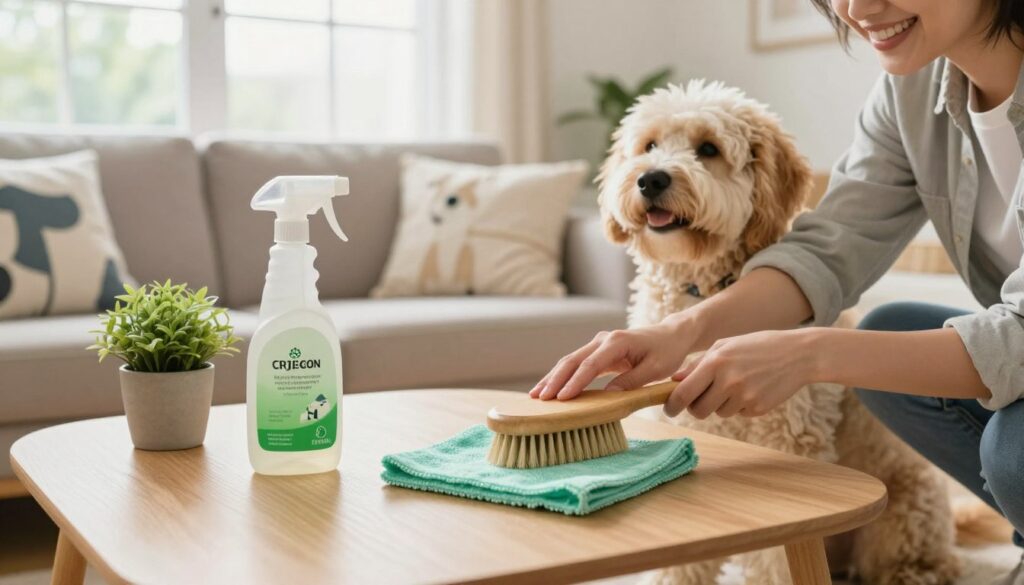
Essential Budget Cleaning Tools for Pet Owners
Having the right cleaning tools can make a big difference in maintaining a clean and pet-friendly home. Some essential budget-friendly tools include a good vacuum cleaner, a mop, and microfiber cloths. These tools can help you clean efficiently without breaking the bank.
Preventative Maintenance Routines That Save Money
Implementing preventative maintenance routines can help you save money in the long run. Regular cleaning and disinfecting can prevent the buildup of dirt and bacteria, reducing the need for costly deep cleans. Additionally, regular maintenance can help extend the life of your furniture and flooring.
Dealing with Pet Odors Economically
Pet odors can be a challenge, but there are several economical ways to deal with them. Using essential oils like lavender or tea tree oil can help neutralize odors. You can also use baking soda to absorb odors on carpets and upholstery. Regular washing of your pet’s bedding and toys can also help reduce odors.
Inexpensive Enrichment Ideas for Indoor Pets
Enriching your indoor pet’s life can be simple and cost-effective. Providing mental and physical stimulation is crucial for their overall health and happiness.
DIY Toys and Activities from Household Items
Creating DIY toys from household items is a great way to keep your pets engaged. For example, you can use cardboard tubes and old socks to create interactive toys. Repurposing household items not only saves money but also reduces waste.
- Cardboard tube puzzle feeders
- Old sock tug toys
- Cardboard box hideaways
Creating Window Viewing Stations for Under $15
Window viewing stations can provide endless entertainment for your pets. By using suction cups and fabric, you can create a comfortable perch for your pet to observe the outdoors. This simple setup can be achieved for under $15.
Budget-Friendly Climbing and Exploration Areas
Creating climbing and exploration areas can be done on a budget. Materials like cardboard boxes and PVC pipes can be used to create complex structures for your pets to explore.
| Material | Cost | Use |
|---|---|---|
| Cardboard Boxes | $0 (Reuse) | Hideaways and tunnels |
| PVC Pipes | $10 | Climbing structures |
| Cat Shelves | $15 | Vertical exploration |
Rotating Toys to Maintain Interest Without Buying New
Rotating your pet’s toys regularly can keep them interesting without the need to purchase new ones. This simple strategy can significantly reduce the need for new toy purchases.
Outdoor Pet Spaces on a Shoestring Budget
Creating an outdoor space for your pet doesn’t have to break the bank. With a little creativity, you can design a safe and enjoyable area for your pet to play and relax.
Affordable Fencing and Containment Solutions
One of the first steps in creating an outdoor pet space is to ensure it’s safely enclosed. Affordable fencing options include using chicken wire or plastic mesh, which can be installed around your yard or a designated area. These materials are not only budget-friendly but also effective in keeping your pet contained.
DIY Pet Play Areas Using Recycled Materials
You can create a fun and engaging play area for your pet using recycled materials. Old pallets and wooden crates can be repurposed into obstacle courses, tunnels, or even a pet house. Get creative and involve your pet in the process to ensure they enjoy their new play area.
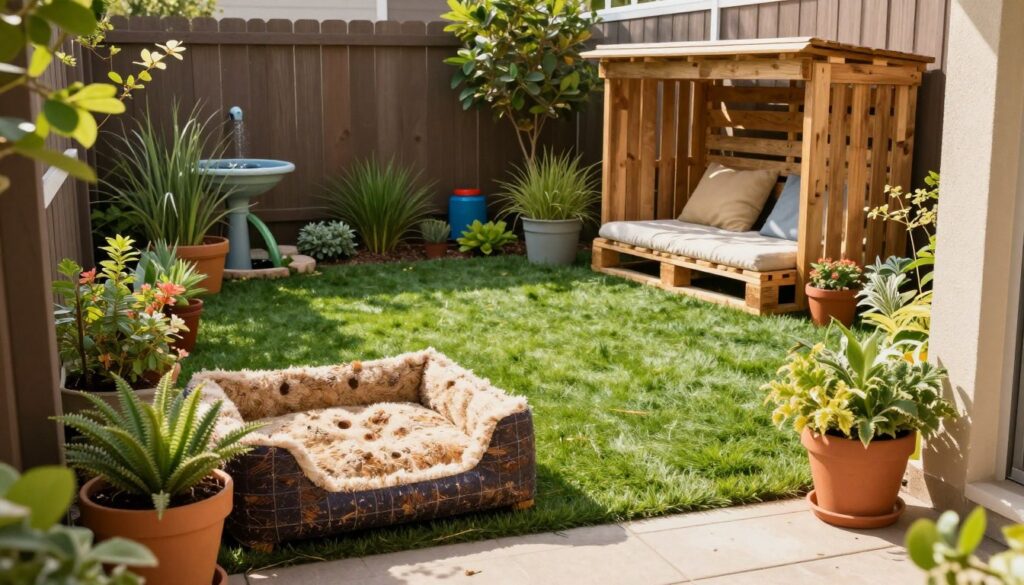
Budget-Friendly Shade and Shelter Options
Providing shade and shelter is crucial for your pet’s comfort. Consider using canopies or tarps to create shaded areas. You can also repurpose old umbrellas or tents to provide shelter from the elements.
Low-Cost Pet-Safe Landscaping Ideas
When it comes to landscaping, choose pet-safe plants and materials to avoid any potential hazards. Using mulch or gravel can be a cost-effective and safe option for your pet’s outdoor space.
| Landscaping Idea | Cost | Pet Safety |
|---|---|---|
| Mulch | Low | Safe |
| Gravel | Low | Safe |
| Pet-Safe Plants | Variable | Safe |
By implementing these budget-friendly ideas, you can create a wonderful outdoor space for your pet, enhancing your home’s pet-friendly features and design.
Thrifty Pet Storage and Organization
A well-organized pet space is crucial for maintaining a clutter-free and welcoming home for both pets and their owners. Effective storage and organization solutions can make a significant difference in creating a pet-friendly living environment.
Repurposed Storage Solutions for Pet Supplies
One of the most cost-effective ways to organize pet supplies is by repurposing items you already have at home. Old crates, baskets, and containers can be used to store pet food, toys, and grooming tools. This approach not only saves money but also reduces waste.
DIY Pet Food and Treat Organization
Creating a DIY pet food and treat organization system can be simple and fun. Use wooden boards and plastic containers to create a storage unit that fits your needs. Labeling each container can help keep things organized and make it easier for your pet to find their favorite treats.
Multi-Functional Pet Furniture That Saves Space and Money
Investing in multi-functional pet furniture is a great way to save space and money. Storage ottomans that double as pet beds or storage benches with compartments for pet supplies are excellent examples. These pieces not only serve multiple purposes but also add to the aesthetic of your home.
Budget-Friendly Toy Storage Ideas
Keeping your pet’s toys organized can be achieved with budget-friendly solutions. Using fabric bins and baskets is an effective way to store toys, keeping them out of sight but still accessible. You can also repurpose old furniture or containers to create a toy storage station.
By implementing these thrifty storage and organization ideas, you can create a more comfortable and enjoyable living space for both you and your pet.
Conclusion: Enjoying Your Budget-Friendly Pet-Friendly Home
Creating a pet-friendly home on a budget is achievable with some planning and creativity. By understanding your pet’s specific needs and implementing cost-effective safety measures and design ideas, you can create a home that is safe and welcoming for your pets.
When creating a pet-friendly home, it’s essential to consider pet-friendly home essentials such as durable materials, designated pet spaces, and affordable cleaning solutions. Some of the best pet-friendly home ideas include repurposing furniture for pet use, creating cozy corners with existing materials, and DIY pet beds and hideaways.
By following these tips, you can enjoy the benefits of a pet-friendly home without breaking the bank. Your pets will appreciate the safe and comfortable environment, and you’ll enjoy the companionship and joy they bring to your life.