
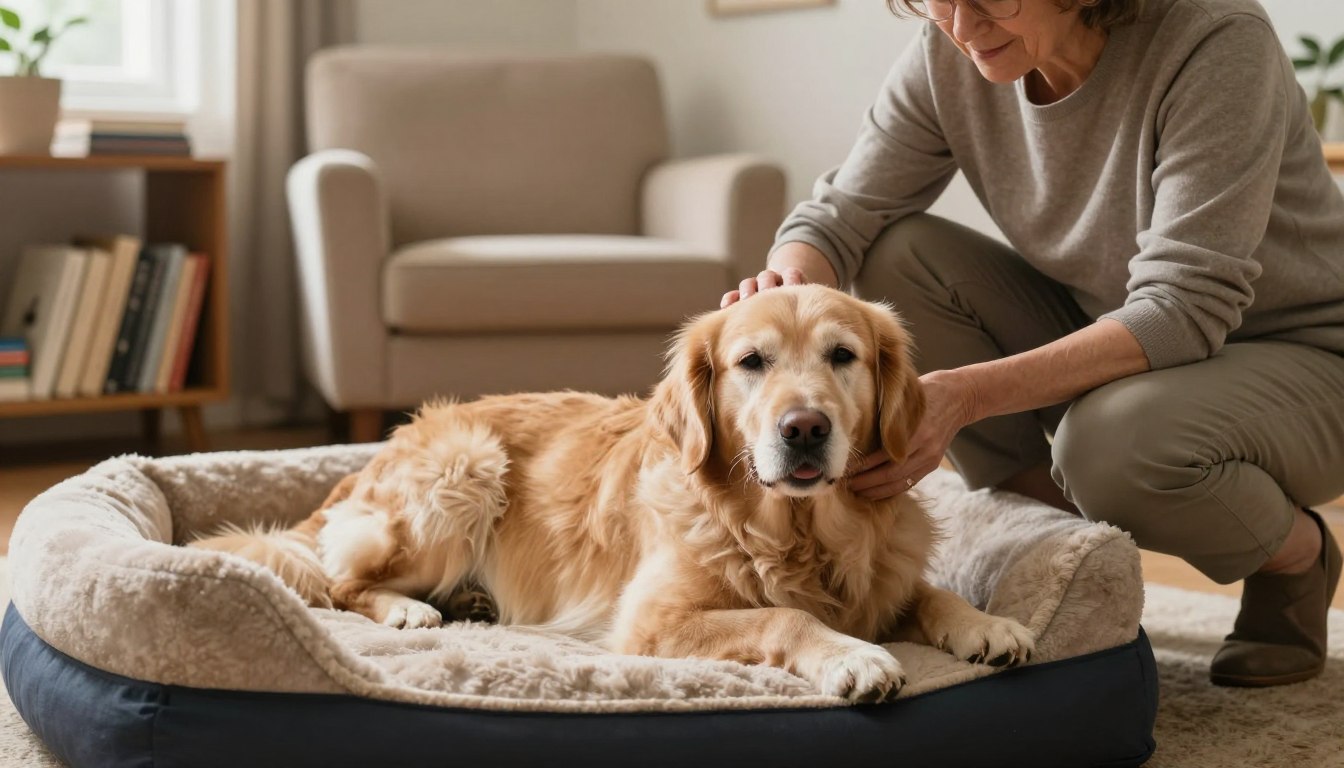
As our loyal companions age, their needs evolve, and it’s crucial for pet owners to adapt to these changes to ensure their older dogs lead comfortable and happy lives. Providing the right care and attention can make a significant difference in their quality of life.
Caring for an aging dog requires a comprehensive approach, including proper nutrition, regular exercise, and mental stimulation. By understanding these essential aspects, you can help your furry friend enjoy their golden years to the fullest.
Key Takeaways
- Understand the changing needs of your aging dog
- Provide a balanced diet for optimal health
- Regular exercise for maintaining physical health
- Mental stimulation to prevent cognitive decline
- Regular veterinary check-ups for early detection of health issues
Understanding Your Senior Dog’s Changing Needs
As your dog ages, their needs change, requiring adjustments in care to ensure their golden years are happy and healthy. It’s essential to understand these changes to provide the best possible care for your senior dog’s health.
When Is a Dog Considered “Senior”?
The age at which a dog is considered senior varies depending on their breed and size. Generally, dogs are considered senior between the ages of 7 to 10. Larger breeds tend to have shorter lifespans and are considered seniors earlier, around 7 years, while smaller breeds may not be considered seniors until they’re around 10 years old.
Common Age-Related Changes in Dogs
As dogs age, they undergo various physical and cognitive changes. These can include weight gain or loss, decreased energy levels, and potential health issues such as arthritis or dental problems. Monitoring these changes is crucial for maintaining your dog’s elderly dog care.
Signs Your Dog Is Entering Their Golden Years
Signs that your dog is entering their senior years include graying fur, reduced mobility, changes in appetite, and increased sleeping. Recognizing these signs early allows you to make necessary adjustments to their care routine, ensuring their golden years are comfortable and enjoyable.
Essential Senior Dog Care Fundamentals
As your dog ages, their needs change, requiring adjustments in care to ensure their golden years are happy and healthy. Providing the right care involves several key components that work together to maintain your dog’s overall health and comfort.
Importance of Regular Veterinary Check-ups
Regular veterinary check-ups are crucial for senior dogs. These visits help detect potential health issues early, allowing for timely intervention. The American Animal Hospital Association recommends bi-annual check-ups for senior dogs, which can include comprehensive physical exams, blood work, and other diagnostic tests to monitor their health.
Key Health Parameters to Monitor at Home
Monitoring your dog’s health at home is equally important. Keep an eye on their appetite, stool quality, mobility, and any changes in behavior or physical condition. Noting these observations can help your veterinarian identify health issues sooner.
Creating a Senior Dog Health Journal
Keeping a health journal for your senior dog can be incredibly beneficial. Record details about their appetite, exercise, and any health issues. This information can be invaluable during veterinary visits, helping your vet understand your dog’s condition more comprehensively.
| Health Parameter | Normal Condition | Abnormal Condition |
|---|---|---|
| Appetite | Eats regularly | Loss of appetite or overeating |
| Stool Quality | Normal consistency | Diarrhea or constipation |
| Mobility | Moves comfortably | Limping or stiffness |
Adjusting Care Routines as Dogs Age
As your dog ages, their care routine may need adjustments. This can include changes to their diet, exercise regimen, and even their sleeping arrangements to ensure they remain comfortable and healthy.
By focusing on these essential care fundamentals, you can significantly improve your senior dog’s quality of life, ensuring their golden years are truly golden.
Nutrition for Older Dogs: Dietary Adjustments
As dogs age, their nutritional requirements undergo significant changes. Senior dogs may need fewer calories, but their diet should still be rich in essential nutrients to support their overall health and manage age-related conditions.
Caloric Needs for Senior Dogs
Senior dogs often require fewer calories due to decreased activity levels. However, their diet must be carefully managed to prevent malnutrition. A balanced caloric intake is crucial for maintaining a healthy weight and supporting bodily functions.
Essential Nutrients for Aging Canines
Aging dogs benefit from a diet rich in high-quality protein, moderate in fat, and lower in carbohydrates. Essential nutrients include omega-3 fatty acids for skin and coat health, and antioxidants to combat oxidative stress.
Special Dietary Considerations for Common Senior Conditions
Certain health conditions common in older dogs, such as arthritis or kidney disease, may require special dietary adjustments. For instance, dogs with arthritis may benefit from anti-inflammatory ingredients, while those with kidney disease may need a diet with reduced protein and phosphorus.
| Condition | Dietary Adjustment |
|---|---|
| Arthritis | Include anti-inflammatory ingredients like omega-3 fatty acids |
| Kidney Disease | Reduce protein and phosphorus intake |
| Dental Issues | Feed softer foods or use dental chews |
Feeding Schedule Adjustments
Older dogs may benefit from a feeding schedule that includes smaller, more frequent meals to help manage digestive issues and prevent weight loss.
Managing Picky Eating in Older Dogs
For senior dogs that become picky eaters, introducing new foods gradually and choosing highly palatable options can be beneficial. Warming the food or adding a small amount of low-sodium broth can also enhance the meal’s appeal.
Exercise and Physical Activity for Senior Dogs
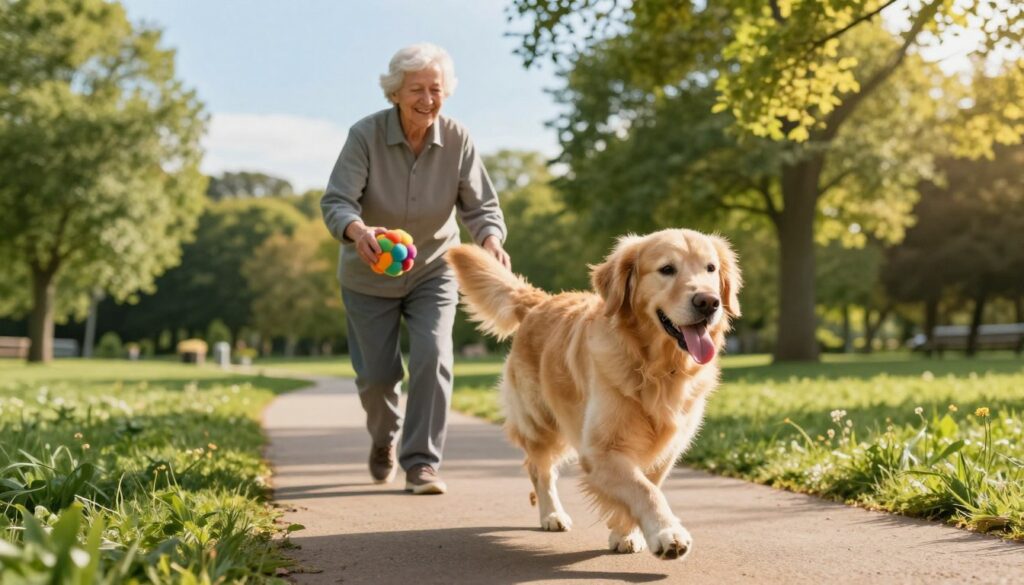
Exercise remains a crucial component of a senior dog’s life, but the type and intensity may need adjustments. Regular physical activity helps maintain their mobility, strength, and overall health.
Low-Impact Exercise Options
Senior dogs benefit from low-impact exercises that are gentle on their joints. Some excellent options include:
- Short, gentle walks
- Swimming or hydrotherapy
- Playtime with adapted toys
Maintaining Muscle Mass and Mobility
To maintain muscle mass and mobility, it’s essential to incorporate exercises that promote strength and flexibility. Gentle stretching and short walks can be very beneficial.
Signs of Exercise Intolerance
Monitoring your senior dog during exercise is crucial. Signs of exercise intolerance include:
- Excessive panting
- Reluctance to continue
- Visible signs of pain or discomfort
Creating an Age-Appropriate Exercise Routine
To create an effective exercise routine for your senior dog, consider their age, health, and abilities. Consult with your veterinarian to develop a personalized plan that suits your dog’s needs.
By tailoring the exercise routine to your senior dog’s specific requirements, you can help them stay active, healthy, and happy during their golden years.
Making Your Home Senior Dog-Friendly
Modifying your living space to accommodate your senior dog’s requirements can make a substantial difference in their daily life. As dogs age, their physical capabilities and sensory perceptions change, necessitating adjustments to ensure their comfort and safety.
Accessibility Modifications
Improving accessibility is crucial for senior dogs. Consider installing ramps or stairs to help them navigate to their favorite spots, such as the bed or car. You can also use pet-friendly flooring to reduce slipping hazards.
Comfortable Resting Areas
Providing comfortable resting areas is essential. Ensure your dog has access to orthopedic beds or heated beds that can help alleviate joint pain. Place these beds in quiet, draft-free areas to promote relaxation.
Temperature Considerations
Senior dogs may have difficulty regulating their body temperature. Keep your home at a comfortable temperature, and consider using heating pads or cooling mats to help your dog maintain a stable body temperature.
Safety Proofing for Aging Dogs
Safety proofing is vital to prevent accidents. Remove hazards such as toxic substances and electrical cords, and secure any loose items that could cause tripping. Use non-slip mats in areas prone to slipping, like bathrooms and hallways.
By implementing these modifications, you can significantly enhance your senior dog’s quality of life, ensuring they remain comfortable and safe in their home environment.
Managing Common Senior Dog Health Issues
As dogs age, they become more susceptible to various health issues that require careful management. Ensuring the well-being of senior dogs involves addressing common health concerns through a combination of veterinary care, lifestyle adjustments, and sometimes medication.
Arthritis and Joint Pain
Arthritis is a common issue in older dogs, causing joint pain and stiffness. Maintaining a healthy weight can reduce the strain on joints, while joint supplements can help alleviate pain and improve mobility. Regular, gentle exercise is also crucial.
Cognitive Decline and Dementia
Cognitive decline in senior dogs can manifest as confusion, disorientation, or changes in behavior. Cognitive support supplements may help slow the progression of cognitive decline. Engaging your dog in mentally stimulating activities can also support cognitive health.
Dental Problems
Dental issues are prevalent in older dogs and can lead to more serious health problems if not addressed. Regular dental check-ups and proper dental care at home are essential for preventing and managing dental disease.
Vision and Hearing Loss
Many senior dogs experience some degree of vision or hearing loss. Making adjustments to their environment, such as minimizing changes to their living space and using visual cues for dogs with hearing loss, can help them navigate their world more easily.
Incontinence Management
Incontinence is a common issue in older dogs. Managing incontinence may involve medication, dietary changes, or the use of incontinence products. It’s essential to consult with a veterinarian to determine the best approach.
When to Seek Veterinary Care
It’s crucial to monitor your senior dog’s health closely and seek veterinary care if you notice any sudden changes or worsening of symptoms. Regular veterinary check-ups are vital for early detection and management of health issues.
Managing the health of senior dogs requires a comprehensive approach that includes regular veterinary care, lifestyle adjustments, and sometimes medication. By addressing common health issues proactively, you can help ensure your dog’s golden years are happy and comfortable.
Medications and Supplements for Senior Dog Wellness
Senior dogs can benefit greatly from the right medications and supplements to enhance their quality of life. As dogs age, they are more prone to various health issues, and the right support can make a significant difference.
Joint Supplements and Pain Management
Joint supplements, such as glucosamine and chondroitin, are commonly used to manage arthritis and joint pain in senior dogs. These supplements help maintain joint health and can reduce the discomfort associated with aging joints.
“The use of glucosamine and chondroitin has been shown to improve joint health in dogs,” according to veterinary research.
“Studies have demonstrated that these supplements can reduce pain and improve mobility in dogs with osteoarthritis.”
Cognitive Support Supplements
Cognitive decline is a common issue in aging dogs. Supplements designed to support cognitive function can help slow down the progression of cognitive dysfunction. Ingredients like omega-3 fatty acids and antioxidants are often used for this purpose.
Medication Management Tips
Proper medication management is crucial for the health of senior dogs. It’s essential to follow veterinary advice closely and monitor for any side effects. Keeping a medication log can help track dosages and identify any adverse reactions.
Natural Remedies and Their Effectiveness
Some pet owners prefer natural remedies to support their senior dog’s health. Turmeric and omega-3 fatty acids are popular choices due to their anti-inflammatory properties. However, it’s crucial to consult with a veterinarian before adding any new supplements to your dog’s regimen.
By understanding the various medications and supplements available, pet owners can make informed decisions to support their senior dog’s health and well-being.
Mental Stimulation and Emotional Support
Providing mental stimulation and emotional support is crucial for enhancing the quality of life for senior dogs. As dogs age, their cognitive functions may decline, and they may experience emotional changes, making it essential to adapt their care routines accordingly.
Age-Appropriate Toys and Games
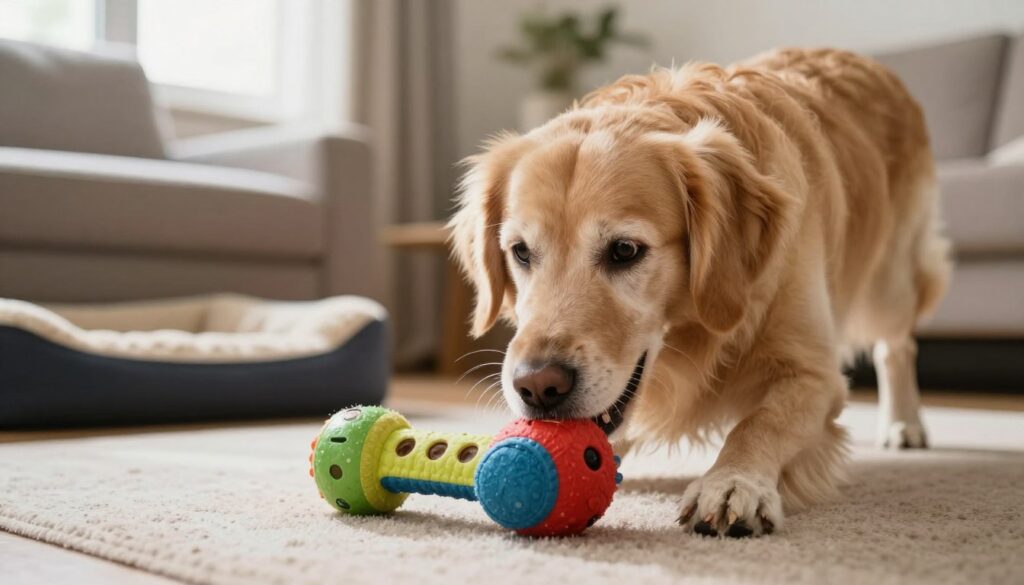
Engaging senior dogs with age-appropriate toys and games can help maintain their mental acuity. Puzzle toys filled with treats are particularly effective, as they challenge the dog and reward them with a tangible outcome. Interactive games that don’t require high physical exertion, such as hide-and-seek or scent work, can also be very stimulating.
Cognitive Exercises for Senior Dogs
In addition to toys and games, cognitive exercises can be beneficial. Training sessions that focus on new commands or reinforcing old ones can keep a senior dog’s mind active. Simple tasks, like navigating through a changed environment or learning a new trick, can also provide mental stimulation.
Maintaining Social Connections
Maintaining social connections is vital for a senior dog’s emotional well-being. Regular interaction with family members and, if possible, other dogs can help reduce feelings of loneliness and anxiety. Organized playdates or visits to dog parks (if the dog’s health permits) can be great ways to maintain these connections.
Addressing Anxiety in Older Dogs
Some senior dogs may develop anxiety, which can be addressed through gradual exposure to stressors, calming aids, and training. Calming treats, pheromone diffusers, and gentle massage can help soothe anxious dogs. It’s also important to establish a predictable routine to provide a sense of security.
Specialized Products for Senior Dog Care
As dogs age, their needs change, and specialized products can significantly improve their quality of life. Senior dogs benefit greatly from products designed to address their specific health challenges and comfort needs.
Orthopedic Beds and Comfort Items
Orthopedic beds are a crucial investment for senior dogs suffering from arthritis or joint pain. These beds provide extra support and comfort, ensuring a good night’s sleep. Additionally, comfort items like heated mats or therapeutic blankets can offer relief and relaxation.
Mobility Aids
Mobility aids such as ramps, harnesses, and slings can assist dogs with reduced mobility, making it easier for them to navigate their surroundings. These aids are particularly helpful for dogs with arthritis or those recovering from surgery.
Adaptive Feeding and Drinking Solutions
Adaptive feeding solutions, including raised feeding bowls, can help reduce strain on a senior dog’s neck and joints during meal times. This simple adjustment can make a significant difference in their dining experience.
Incontinence Products
Incontinence products like dog diapers are essential for managing incontinence issues in senior dogs. These products not only improve the dog’s quality of life but also make care easier for owners.
| Product Category | Benefits | Examples |
|---|---|---|
| Orthopedic Beds | Relieves joint pain, improves sleep | Memory foam beds, orthopedic mattresses |
| Mobility Aids | Assists with movement, reduces strain | Ramps, harnesses, slings |
| Adaptive Feeding Solutions | Eases eating, reduces neck strain | Raised feeding bowls, slow feeder bowls |
| Incontinence Products | Manages incontinence, improves hygiene | Dog diapers, belly bands |
By incorporating these specialized products into their care routine, owners can significantly enhance their senior dog’s comfort and well-being, ensuring their golden years are truly happy and fulfilling.
Conclusion: Embracing and Celebrating Your Dog’s Golden Years
Caring for a senior dog requires patience, understanding, and a willingness to adapt to their changing needs. As your dog ages, their needs evolve, and so should their care. By focusing on senior dog care, you can ensure your dog’s golden years are filled with comfort and joy.
Proper aging dog care involves a combination of appropriate nutrition, gentle exercise, regular health check-ups, and mental stimulation. By making simple adjustments to their daily routine and living environment, you can significantly improve their quality of life.
As you navigate the challenges and rewards of caring for your aging dog, remember that every moment counts. Celebrate the companionship and love they bring, and cherish the time you have together. With the right approach to senior dog care, you can make their golden years truly special.