

Dogs have a unique way of showing affection, often forming strong bonds with their owners. It’s not uncommon for a dog to develop a particularly close relationship with one person in the household.
When a dog loves you, it can be seen in the way they behave around you. They might follow you everywhere, snuggle next to you, or even display excitement when you come home. These signs are clear indicators of a dog’s deep affection for their owner.
Understanding these signs can help strengthen the bond between you and your dog, creating a more loving and nurturing relationship.
Key Takeaways
- Dogs often form strong bonds with one person in particular.
- Signs of a dog’s love include following you everywhere and snuggling.
- A dog’s behavior can indicate their level of affection.
- Understanding these signs can help strengthen your bond with your dog.
- A strong bond between a dog and their owner is built on mutual love and trust.
The Science Behind How Your Dog Loves You
The deep affection dogs show towards their owners is rooted in a complex interplay of neurochemical processes. Dogs have evolved to form strong emotional bonds with humans, and understanding this can deepen our appreciation of their loyalty and love.
The Neurochemistry of Canine Attachment
Canine attachment is driven by a range of neurochemicals, including oxytocin, dopamine, and endorphins. Oxytocin, often referred to as the “love hormone,” plays a crucial role in bonding between dogs and their owners. Studies have shown that oxytocin levels increase during interactions between dogs and their owners, such as during petting or play.
The release of dopamine and endorphins also contributes to the strengthening of the bond. Dopamine is associated with pleasure and reward, while endorphins create feelings of happiness and relaxation. Together, these neurochemicals foster a deep emotional connection between dogs and their owners.
How Dogs Form Preferential Bonds with One Person
Dogs often form preferential bonds with one person in the household, and this can be attributed to several factors. Consistency and interaction quality play significant roles. The person who spends the most quality time with the dog, engaging in activities like feeding, walking, and playing, tends to form a stronger bond with the dog.
- The dog’s ability to read human social cues and respond appropriately.
- The emotional connection and attachment that develops over time through shared experiences.
These factors combined explain why dogs often show a preference for one person over others in the household.
Physical Signs Your Dog Loves You More Than Anyone Else
When it comes to understanding canine affection, recognizing the physical signs can deepen the bond between you and your furry friend. Dogs show their love in various ways, and being aware of these physical displays can enhance your understanding of their feelings towards you.
Tail Wagging Patterns That Show Special Affection
The way your dog wags its tail can be a significant indicator of their excitement and affection. Different patterns can signify different levels of enthusiasm and love.
The Height and Direction of Meaningful Wags
A tail wagging at a higher height often indicates excitement and happiness, while the direction of the wag can also hold significance, with some studies suggesting that a wag to the right is more positive than to the left.
The Full-Body Wiggle Reserved for Favorites
When your dog’s entire body wiggles along with their tail, it’s a sign of extreme happiness and love, often reserved for their favorite person.
The Meaning Behind Your Dog’s Eye Contact
Eye contact is a powerful form of communication between humans and dogs. When your dog maintains eye contact with you, it’s a sign of affection and connection. This behavior is linked to the release of oxytocin, often referred to as the “love hormone,” which strengthens your bond.
Body Language That Signals Deep Attachment
Your dog’s body language can reveal a lot about their feelings towards you. Certain postures and behaviors indicate a deep sense of attachment and trust.
Relaxed Posture in Your Presence
When your dog feels comfortable enough to relax around you, it’s a sign that they feel safe and loved. A relaxed posture in your presence is a strong indicator of their trust and affection.
Leaning Against You as a Sign of Trust
Dogs often lean against people they trust and feel comfortable with. This behavior is a physical manifestation of their emotional reliance on you, showcasing their unconditional love.
Understanding these physical signs can help you appreciate the depth of your dog’s affection, fostering a stronger and more loving relationship between you and your furry companion.
Your Dog Loves You When They Follow You Everywhere
Dogs often follow their favorite person everywhere, showcasing a deep-seated loyalty and attachment that stems from their evolutionary history. This behavior is a clear indication that your dog feels comfortable and safe around you.
Why Your Dog Shadows Your Movements
Your dog’s tendency to shadow you is rooted in their pack mentality, where staying close to the pack leader is a sign of loyalty and trust. This behavior is influenced by their evolutionary past, where following the pack ensured safety and survival.
The Evolutionary Basis for Following Behavior
The evolutionary basis for this behavior lies in the dog’s ancestral history as pack animals. By staying close to their pack leader, dogs felt safer and more secure, a trait that has been passed down through generations.
How Following Shows Preference Over Other Family Members
When your dog follows you more than other family members, it’s a sign that they have formed a stronger bond with you. This preference is often due to the quality of interaction and the emotional connection they share with you.
When Following Becomes Excessive vs. Normal Attachment
While following behavior is a sign of affection, it can sometimes become excessive. Normal attachment is characterized by a dog following their owner around the house but still being able to relax and function independently. Excessive following, on the other hand, can be a sign of anxiety or over-attachment, requiring attention and potentially training to address.
- Normal attachment: Dog follows you around but can also relax on their own.
- Excessive following: Dog becomes distressed when separated from you, indicating potential anxiety.
Understanding the difference is crucial to ensuring your dog’s emotional well-being.
Greeting Behaviors That Show You’re Their Favorite Person
When you walk through the door, your dog’s enthusiastic greeting is more than just a happy hello; it’s a sign of their deep affection for you. Dogs often exhibit unique behaviors when greeting their favorite person, showcasing their excitement and attachment.
The Significance of an Excited Welcome
An excited welcome from your dog is a clear indication of their affection. This enthusiasm is often displayed through vocalizations and physical displays.
Vocalizations Reserved Just for You
Your dog may reserve specific vocalizations for you, such as a unique bark or whine, signifying their excitement and love. These sounds are often distinct from those used when greeting others.
The Jump-and-Wiggle Greeting Ritual
The jump-and-wiggle greeting is a common display of affection, where your dog jumps up and wags their tail vigorously. This behavior is a clear sign of their joy and attachment to you.
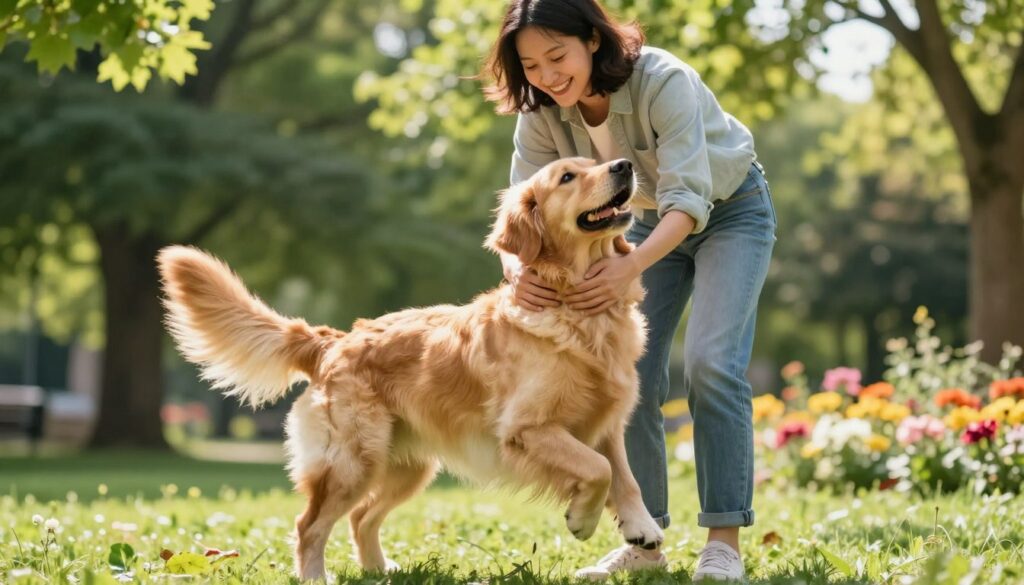
How Your Dog Greets You vs. Others in the Household
The way your dog greets you compared to others in the household can reveal a lot about their attachment. A more enthusiastic greeting for you is a sign of their preference.
| Greeting Behavior | Favorite Person | Others in Household |
|---|---|---|
| Vocalizations | Louder, more frequent | Less intense, less frequent |
| Physical Displays | Jumping, wiggling | Less energetic, more subdued |
| Tail Wagging | More vigorous, wider arc | Less vigorous, narrower arc |
This comparison highlights the unique bond between you and your dog, demonstrating their pet loyalty and strengthening your canine companionship.
Protective Behaviors That Demonstrate Deep Loyalty
When it comes to their loved ones, dogs display a range of protective behaviors that underscore their commitment and affection. These actions are not just instinctual but also a testament to the strong bond between dogs and their owners.
Subtle Signs Your Dog Is Watching Over You
Dogs often exhibit subtle yet significant behaviors that indicate they are watching over their owners. These can include positioning themselves between their owner and strangers or displaying alert postures when they sense potential threats.
Positioning Themselves Between You and Strangers
A dog that places itself between you and a stranger is showing a clear sign of protection. This behavior is rooted in their instinct to safeguard their pack.
Alert Postures When They Sense Potential Threats
When dogs sense something unusual, they may adopt an alert posture, signaling that they are ready to defend their owner. This could be a sign of their loyalty and protective nature.
How Dogs Defend Those They Love Most
Dogs defend their loved ones through various means, often putting themselves in a position to safeguard their owners. This defensive behavior is a manifestation of their unconditional love.
| Behavior | Description | Significance |
|---|---|---|
| Positioning between owner and stranger | Dogs place themselves between their owner and an approaching stranger. | Sign of protection and loyalty |
| Alert postures | Dogs display alert body language when sensing potential threats. | Indicates readiness to defend their owner |
| Defensive behavior | Dogs put themselves in harm’s way to protect their loved ones. | Manifestation of unconditional love |
Dogs are indeed furry friends who shower their owners with love and loyalty. Their protective behaviors are a testament to the deep bond they share with their human companions, showcasing their unconditional love.
Sleep Habits That Reveal Your Special Bond
Your dog’s sleep habits can be a strong indicator of how much they love and trust you. Dogs are known to be highly social animals, and their sleeping patterns often reflect their bond with their owners.
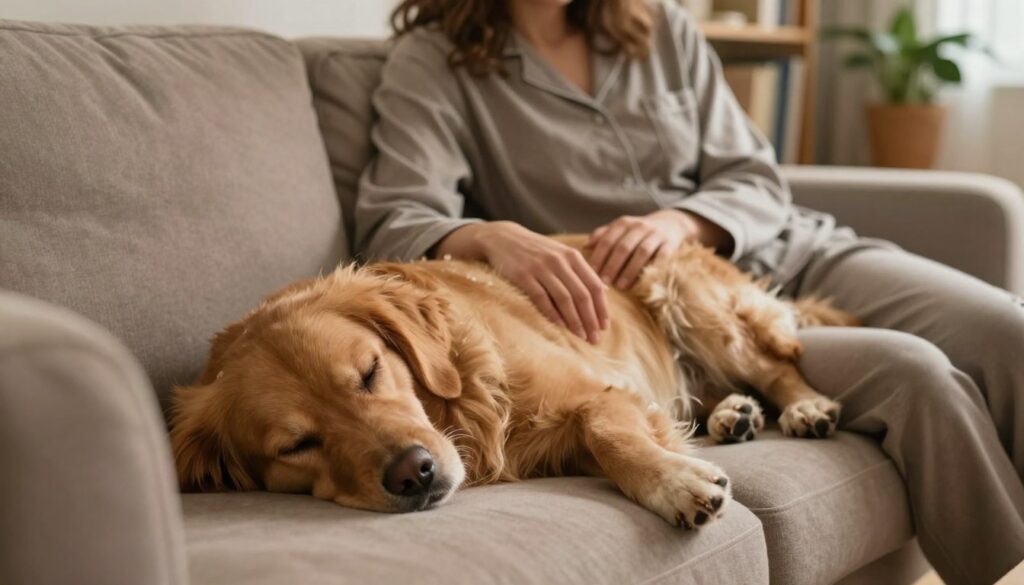
Why Your Dog Chooses to Sleep Near You
Dogs often choose to sleep near their owners due to a combination of instinct and affection. In the wild, canines are pack animals, and sleeping together provides them with a sense of security and comfort.
The Pack Mentality in Sleeping Arrangements
The pack mentality plays a significant role in a dog’s decision to sleep near their owner. By doing so, they feel part of the family unit and protected.
Choosing You Over More Comfortable Spots
If your dog prefers to sleep near you even when there are more comfortable spots available, it’s a sign that they feel a strong bond with you. This choice indicates that your presence is comforting to them.
Vulnerable Sleeping Positions That Show Trust
Dogs that sleep in vulnerable positions, such as on their back or with their paws in the air, demonstrate a high level of trust in their owners. Such positions make them feel secure and protected.
| Sleeping Position | What It Indicates |
|---|---|
| Sleeping on their side or back | Trust and feeling of security |
| Sleeping with paws in the air | Complete relaxation and trust |
| Sleeping near or touching the owner | Strong bond and affection |
In conclusion, your dog’s sleep habits can reveal a lot about your special bond. By understanding these behaviors, you can strengthen your relationship with your furry friend.
How Your Dog Seeks Comfort From You During Stress
When stress hits, your dog’s instinct is to seek comfort from the one they trust most – you. Dogs are highly attuned to their owner’s emotions and can sense when they’re feeling stressed or anxious. This empathetic connection is rooted in the strong bond between a dog and their owner, built on trust, loyalty, and companionship.
Your Role as Their Safe Haven
Your dog views you as their safe haven, a place where they can feel protected and comforted. This is especially evident during stressful situations like thunderstorms or fireworks.
Their Behavior During Thunderstorms and Fireworks
During thunderstorms and fireworks, dogs often become anxious and seek comfort from their owners. They may nuzzle, whine, or cling to their owners, seeking reassurance and protection.
How They Seek You Out in New Environments
In new environments, dogs may feel uncertain and seek comfort from their owners. They may follow their owners closely, keeping a watchful eye on them as they navigate the new space.
Signs They Turn to You (Not Others) When Scared
When dogs are scared or anxious, they often turn to their primary caregiver for comfort. This is a sign of the strong bond between the dog and their owner, built on trust and loyalty. As Dr. Stanley Coren, a renowned canine expert, notes, “Dogs are highly attuned to their owner’s emotions and can sense when they’re feeling stressed or anxious.”
“Dogs are highly attuned to their owner’s emotions and can sense when they’re feeling stressed or anxious.”
Dr. Stanley Coren
This is evident in the way dogs seek comfort from their owners during stressful situations, such as thunderstorms or fireworks. By providing a safe and comforting presence, owners can help their dogs feel more secure and calm.
Attention-Seeking Behaviors That Signal Deep Attachment
Attention-seeking behaviors in dogs are not just about getting treats or belly rubs; they are often a manifestation of the strong bond between a dog and their owner. Dogs have a unique way of expressing their affection, and understanding these behaviors can provide valuable insights into their emotional connection with you.
The Meaning Behind Pawing and Nudging
Pawing and nudging are common behaviors exhibited by dogs to seek attention from their owners. When your dog paws at you or gently nudges you with their nose, it’s often a sign that they crave interaction or affection. This behavior is learned through positive reinforcement, where the dog associates pawing or nudging with receiving attention or treats. It’s a clear indication that your dog feels comfortable enough to initiate contact and seeks to strengthen your bond.
Why They Bring You Their Favorite Toys
Dogs often bring their favorite toys to their owners as a way of seeking attention and initiating play. This behavior is rooted in their instinct to share and bond with their pack. When your dog brings you their favorite toy, it’s a sign that they trust you and value your interaction. It’s their way of saying, “Let’s play together” or “I want to share this with you.”
The Gift-Giving Instinct in Dogs
The act of bringing a toy to their owner can be seen as a form of gift-giving, a behavior that signifies affection and loyalty. Dogs may not understand the concept of gifting in the same way humans do, but their actions are driven by an instinct to share and connect with their loved ones.
Toy Sharing as a Form of Bonding
When dogs share their toys with their owners, it’s a sign of trust and affection. This behavior strengthens the bond between the dog and the owner, creating a sense of mutual interaction and understanding. By accepting and engaging with the toy, you’re reinforcing your dog’s feeling of being part of a pack, thereby deepening your relationship.
How Your Dog Responds to Your Emotions
Dogs have an uncanny ability to sense their owner’s emotions, often responding in ways that show they care deeply. This emotional connection is rooted in the strong bond between dogs and their owners, a relationship that’s been nurtured over thousands of years. When you’re feeling down or upset, your dog is likely to be by your side, offering comfort and companionship.
Their Ability to Sense Your Feelings
Dogs are incredibly attuned to human emotions, able to pick up on subtle cues that might otherwise go unnoticed. This ability is backed by science, with research highlighting the complex ways in which dogs process human emotional signals.
The Science of Dogs Reading Human Emotions
Studies have shown that dogs use a combination of body language, tone of voice, and even scent to understand human emotions. This multi-sensory approach allows them to build a comprehensive picture of their owner’s emotional state.
How They Detect Subtle Changes in Your Mood
Dogs are adept at noticing subtle changes in their owner’s behavior and emotional cues. They can detect shifts in tone, pace, and even physiological changes, allowing them to respond appropriately.
Ways They Try to Comfort You When You’re Upset
When you’re feeling upset or distressed, your dog is likely to try and comfort you. This can manifest in various ways, such as nuzzling, licking, or simply being present. These behaviors are a testament to the deep affection dogs have for their owners.
- Nuzzling or leaning against their owner
- Licking away tears or facial expressions
- Staying close or cuddling
These comforting behaviors are not just instinctual; they’re also a sign of the strong emotional bond between dogs and their owners. By responding to their owner’s emotions, dogs demonstrate their ability to empathize and provide support.
Breed-Specific Ways Dogs Show Special Affection
The way a dog shows love can vary significantly across breeds, influenced by their historical roles and temperaments. While some breeds are naturally more affectionate, others might show love in more subtle ways. Understanding these breed-specific traits can deepen your bond with your dog.
How Different Breeds Express Love Differently
Different breeds have unique characteristics that influence how they express love. For instance, some breeds are bred for companionship and are naturally more inclined to be affectionate.
Working Breeds vs. Companion Breeds
Working breeds, such as German Shepherds and Border Collies, often show affection through dedication and loyalty. They may follow you around the house and be eager to please. In contrast, companion breeds like Cavalier King Charles Spaniels and Pugs are bred for their affectionate nature and often display love through cuddling and proximity.
Independent vs. Velcro Dog Behaviors
Some breeds, like Siberian Huskies, are known for their independent nature and may not always want to cuddle. On the other hand, “Velcro dogs” such as Labrador Retrievers are known for their clingy behavior and love being close to their owners. Recognizing whether your dog is independent or clingy can help you understand their unique way of showing affection.
Recognizing Your Dog’s Unique Love Language
Every dog has a unique way of expressing love, influenced by their breed, temperament, and individual personality. By understanding your dog’s love language, you can strengthen your bond and show appreciation in ways that matter most to them. Paying attention to your dog’s behaviors, such as tail wagging, eye contact, and cuddling, can provide insights into their affectionate nature.
For example, if your dog brings you their favorite toy, it’s a sign of trust and affection. Similarly, if they lean against you or nuzzle their head against you, it’s their way of showing love. By recognizing and responding to these behaviors, you can foster a deeper connection with your dog.
Conclusion: Cherishing the Special Bond With Your Furry Best Friend
The unique relationship between you and your dog is built on unconditional love and trust. As discussed, dogs exhibit various behaviors that signify their affection, from tail wagging and eye contact to following you everywhere and seeking comfort during stressful times.
Understanding these signs can deepen your bond with your furry friends, allowing you to cherish the special connection you share. By recognizing and responding to their needs and emotions, you can strengthen your relationship and create a more loving environment.
As you reflect on your dog’s behaviors, remember that their love is a precious gift. Nurturing this bond can bring immense joy and companionship to your life. So, take a moment to appreciate the little things your dog does, and celebrate the unconditional love they bring into your world.
By doing so, you’ll not only enhance your relationship with your dog but also create a more harmonious and loving home for all your furry friends.