

Raising a well-behaved dog is a goal for many pet owners. Achieving this without harsh training methods requires patience, understanding, and the right techniques.
Using positive reinforcement, you can develop a strong, loving bond with your pet. This approach focuses on rewarding good behavior rather than punishing bad behavior, creating a positive environment for your dog to thrive.
By understanding canine behavior and applying rewards-based dog training, you can raise a well-mannered dog that is a joy to be around.
Key Takeaways
- Positive reinforcement is key to successful dog training.
- Patience and understanding are crucial when training your dog.
- Avoid harsh training methods to create a positive environment.
- Rewards-based training encourages good behavior.
- Understanding canine behavior is essential for effective training.
Understanding Canine Behavior Fundamentals
Effective dog training starts with a deep understanding of canine behavior and learning patterns. Dogs are complex animals with their own ways of learning and communicating.
How Dogs Learn and Communicate
Dogs primarily learn through positive reinforcement, where desired behaviors are rewarded, encouraging repetition. This method is not only effective but also fosters a healthy relationship between dog and trainer.
Reading Canine Body Language
Understanding canine body language is crucial for effective training. It helps trainers recognize a dog’s emotional state and motivation. For instance, a wagging tail can indicate excitement or happiness, while a tucked tail may signify fear or submission.
Understanding Motivation and Drives
Dogs are motivated by various drives, including the desire for food, affection, and play. Understanding these drives is key to using positive reinforcement effectively.
The Science Behind Positive Reinforcement
Positive reinforcement is backed by science, showing that rewards-based training strengthens desired behaviors without the adverse effects associated with harsh methods. This approach encourages dogs to learn at their own pace.
Why Harsh Methods Damage Trust and Effectiveness
Harsh training methods can damage the trust between dog and trainer, making training less effective. Trust is fundamental to successful training, as it allows dogs to feel secure and confident.
| Training Method | Effectiveness | Impact on Trust |
|---|---|---|
| Positive Reinforcement | High | Builds Trust |
| Harsh Methods | Low | Damages Trust |
The Foundation of Positive Training Methods
Effective dog training isn’t about correction; it’s about creating a positive, supportive environment where dogs can learn and thrive. This approach not only enhances the learning experience but also strengthens the bond between dog and owner.
Rewards-Based Training Explained
Rewards-based training is a method that focuses on encouraging desired behaviors by associating them with positive outcomes or rewards. This technique is grounded in positive reinforcement, a principle that has been widely adopted in modern obedience training classes.
Timing and Consistency in Positive Reinforcement
The success of positive reinforcement heavily relies on timing and consistency. Rewards must be given immediately after the desired behavior to create a clear association. Consistency in commands and rewards helps avoid confusion, making the training process smoother.
Choosing Effective Rewards for Your Dog
Dogs are motivated by different things, and understanding what drives your dog is crucial. Some dogs are food-motivated, while others prefer play or affection.
Food Rewards vs. Play Rewards
Food rewards are effective for many dogs, especially during initial training phases. However, play rewards can be just as motivating, especially for high-energy breeds. A balanced approach that includes both can be highly effective.
Using Life Rewards in Training
Life rewards refer to using everyday situations to reinforce training. For example, before a walk, asking your dog to sit can be rewarded with the walk itself. This method integrates training into daily routines, making it more engaging and relevant.
By understanding and applying these principles, dog owners can create a positive, effective training regimen that enhances their dog’s behavior and strengthens their relationship.
Essential Equipment for Humane Training
The journey to a well-mannered dog begins with selecting the right training equipment. Humane training is not just about the methods used, but also the tools that are employed during the process.
When it comes to selecting the right training tools, it’s crucial to consider the comfort and safety of your dog. The market is flooded with various training aids, but not all are created equal. Choosing equipment that aligns with positive reinforcement techniques is key to effective training.
Selecting the Right Training Tools
The first step in humane training is to identify tools that support your training goals without causing discomfort or harm to your dog. This includes understanding the difference between various types of equipment.
Harnesses vs. Collars: Making the Humane Choice
One of the critical decisions in dog training is whether to use a harness or a collar. Harnesses are often recommended because they distribute the force of the leash across the dog’s chest and shoulders, reducing strain on the neck. This can be particularly beneficial for dogs that pull on the leash.
Training Treats and Toys That Motivate
Training treats and toys play a significant role in motivating your dog during training sessions. Choosing the right rewards can enhance the training process, making it more engaging and productive. It’s essential to select treats and toys that your dog finds appealing and that align with your training objectives.
By focusing on the right equipment and tools, you can create a positive and effective training environment for your dog, leading to a more disciplined pet and a stronger bond between you and your dog.
Characteristics of a Well-Behaved Dog
Raising a well-behaved dog requires a deep understanding of its behavioral needs and breed-specific traits. A well-behaved dog is not just a result of training; it’s also about understanding and aligning with the dog’s natural behavior and characteristics.
Realistic Expectations for Different Breeds
Different breeds have unique characteristics that influence their behavior and trainability. For instance, some breeds are more energetic and require more exercise, while others are more laid-back. Understanding these breed-specific traits helps in setting realistic expectations and tailoring the training approach.
Age-Appropriate Behavior Standards
A dog’s age significantly impacts its behavior and ability to learn. Puppies, for example, have different needs and capabilities compared to adult dogs. Establishing age-appropriate behavior standards ensures that the training is effective and appropriate for the dog’s developmental stage.
The Balance Between Training and Natural Dog Behavior
Finding a balance between training and allowing for natural dog behavior is crucial. While training is essential for a well-behaved dog, it’s equally important to understand and respect the dog’s natural instincts and behaviors. This balance helps in creating a harmonious relationship between the dog and its owner.
In conclusion, understanding the characteristics of a well-behaved dog involves considering breed-specific traits, age-appropriate behaviors, and the balance between training and natural behavior. By taking these factors into account, dog owners can develop effective training strategies that foster a well-adjusted and well-behaved pet.
Basic Commands Every Dog Should Know
Obedience training starts with teaching your dog simple yet essential commands. These commands not only improve your dog’s behavior but also strengthen the bond between you and your pet.
Teaching Sit, Stay, and Come
Teaching your dog to sit, stay, and come is fundamental. These commands are the building blocks of more complex behaviors and are crucial for maintaining control in various situations.
To teach sit, hold a treat above your dog’s head and move it backwards towards their tail. As they follow the treat with their nose, their bottom will lower into a sitting position.
The Perfect Recall Training Method
Recall training, or teaching your dog to come when called, is vital for off-leash walks and emergency situations. Start by having your dog on a leash or in a controlled environment.
- Call your dog by their name and say “come” in an upbeat tone.
- Reward them with treats and praise when they respond.
- Gradually increase the distance and distractions.
Leash Training Without Pulling
Leash training is essential for walks and outings. To train your dog to walk without pulling, use a harness and reward them for staying by your side.
| Training Step | Description | Reward |
|---|---|---|
| 1. Start with a harness | Use a comfortable harness instead of a collar | Treats |
| 2. Practice walking | Walk with your dog, rewarding them for staying by your side | Praise and treats |
| 3. Increase distance | Gradually increase the walking distance | Occasional treats |
Door Manners and Greeting Behavior
Teaching your dog good door manners and greeting behavior is crucial for a harmonious home. Practice having your dog sit or stay before opening the door.
By following these training techniques and being consistent, you can develop a well-behaved dog that listens to commands and behaves appropriately in various situations.
Addressing Common Behavioral Challenges
Understanding and addressing the root causes of behavioral challenges is crucial for a harmonious relationship with your dog. Dogs often exhibit behaviors that can be challenging for their owners, but these can be managed through positive training methods and consistency.
Stopping Excessive Barking
Excessive barking can be addressed by identifying its cause, whether it’s boredom, anxiety, or alerting to something. Training classes can help you learn how to redirect your dog’s attention and teach them to be quiet on command.
Preventing Jumping on People
Jumping on people can be prevented by teaching your dog an alternative behavior, such as sitting, and rewarding them for calm behavior. Consistency is key in behavior modification.
Managing Chewing and Destructive Behaviors
Redirecting Natural Behaviors Positively
Dogs chew for various reasons, including teething and boredom. Providing appropriate chew toys and engaging your dog in interactive play can redirect this natural behavior positively.
| Behavior | Cause | Solution |
|---|---|---|
| Excessive Barking | Boredom, Anxiety | Training, Redirect Attention |
| Jumping on People | Excitement, Attention Seeking | Teach Alternative Behavior |
| Destructive Chewing | Teething, Boredom | Provide Chew Toys, Interactive Play |
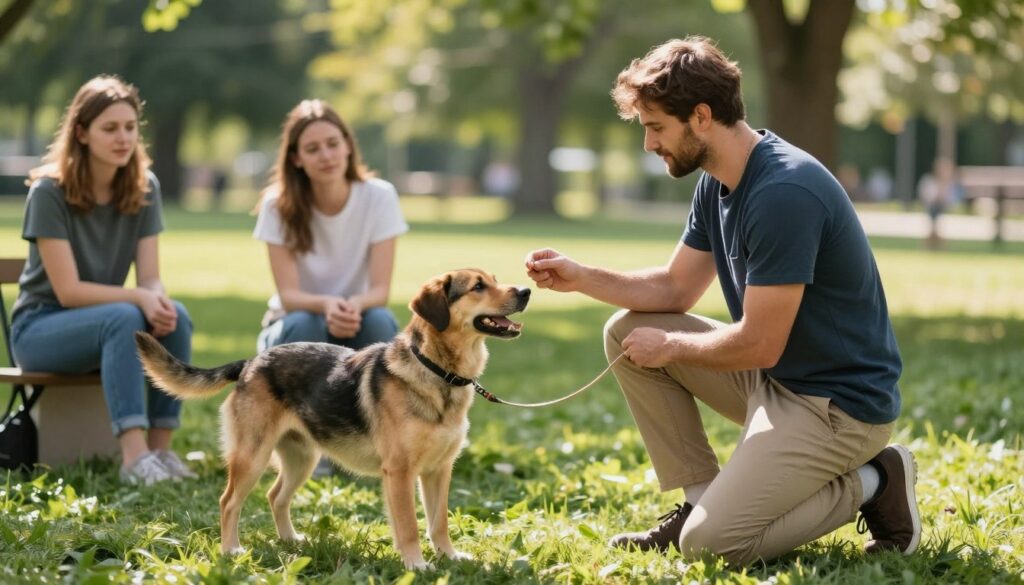
By understanding the causes of common behavioral challenges and applying positive training methods, you can help your dog become a disciplined pet. Consistency and patience are crucial in this process.
House Training Your Puppy Positively
House training your puppy with positive reinforcement sets the foundation for a lifelong, loving relationship. This approach not only helps in creating a well-behaved dog but also strengthens the bond between you and your puppy.
Creating a Consistent Potty Schedule
Establishing a consistent potty schedule is crucial for successful house training. Take your puppy outside to the same spot each time to create a routine. This routine should include times like first thing in the morning, after meals, and before bedtime.
| Age | Frequency of Potty Breaks |
|---|---|
| 8-10 weeks | Every 1-2 hours |
| 11-14 weeks | Every 2-3 hours |
| 4-6 months | Every 3-4 hours |
Accident Management Without Punishment
Accidents will happen, but it’s essential to manage them without punishment. Instead, clean up the mess without making a fuss, and try to prevent it from happening again in the future. Positive reinforcement works better than scolding or punishing your puppy.
Crate Training as a Positive Tool
Crate training can be a valuable tool in house training when done correctly. It provides a safe space for your puppy and helps with potty training by giving your puppy a designated area to hold their bladder until you can take them outside.
By combining a consistent potty schedule, accident management without punishment, and crate training, you can raise a well-mannered dog with good habits.
Socialization: Creating a Confident and Adaptable Dog
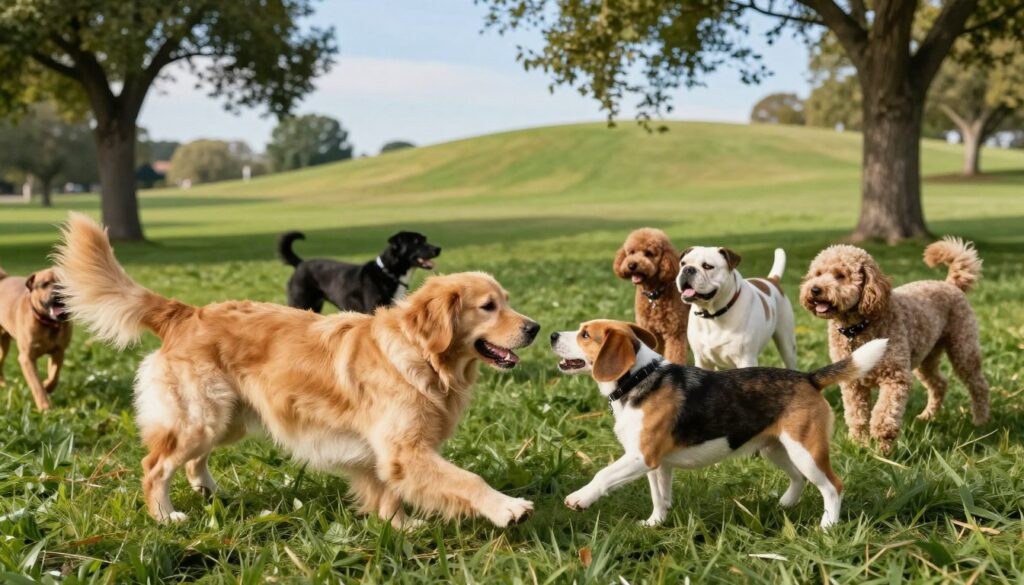
Creating a confident and adaptable dog requires careful socialization, which is essential for their emotional and behavioral development. Socialization exposes your dog to various environments, people, and experiences, helping them become calm and composed in new situations.
Critical Socialization Periods
The critical socialization periods for dogs are between 3 and 12 weeks old, although socialization should continue throughout their lives. During this period, puppies are most receptive to new experiences, and positive interactions can significantly impact their future behavior.
Safe Exposure to New Experiences
Safe exposure to new experiences is vital for your dog’s socialization. This can include visits to dog parks, meeting new people, and encountering different sounds and environments. Positive reinforcement is key during these experiences, rewarding your dog for calm behavior.
Creating Positive Associations
Creating positive associations with new stimuli is crucial. For example, if your dog is fearful of loud noises, you can create a positive association by pairing the noise with a treat or reward, helping them become more confident.
Building Confidence in Fearful Dogs
For fearful dogs, building confidence requires patience and gentle exposure to the source of their fear. Gradual exposure, combined with positive reinforcement, can help them become more confident and calm in situations that previously caused anxiety.
| Socialization Tips | Benefits |
|---|---|
| Expose your dog to new environments | Helps them become adaptable |
| Use positive reinforcement | Encourages good behavior |
| Gradual exposure to fears | Builds confidence |
Maintaining Training Throughout Your Dog’s Life
Maintaining obedience training is an ongoing process that requires commitment and patience. As your dog matures, it’s essential to continue reinforcing the behaviors you’ve taught them to ensure they remain a disciplined pet.
Consistency Across Family Members
One of the critical factors in successful long-term training is consistency across all family members. Ensure everyone is using the same commands and rewards to avoid confusing your dog.
Refresher Training Sessions
Regular refresher training classes can help reinforce previously learned behaviors and address any new issues that arise. These sessions keep your dog’s training up to date and strengthen your bond.
Adapting Training as Your Dog Ages
As your dog ages, their needs and capabilities change. Adapting your obedience training methods to suit their age and health status is crucial. For older dogs, this might mean shorter, more gentle training sessions.
| Age Group | Training Focus | Session Characteristics |
|---|---|---|
| Puppy | Basic Commands, Socialization | Short, Frequent, Positive Reinforcement |
| Adult | Advanced Commands, Behavioral Issues | Regular, Structured, Varied Rewards |
| Senior | Maintaining Known Behaviors, Gentle Exercise | Gentle, Short, Focused on Comfort |
Conclusion
Developing a strong bond with your dog is crucial for effective dog training. By applying positive reinforcement techniques, you can raise a well-behaved dog without resorting to harsh training methods. This approach not only fosters a loving relationship but also ensures your dog is well-mannered and a joy to be around.
Consistency and patience are key elements in dog training. By following the guidelines outlined in this article, you can create a positive training environment that encourages good behavior. Positive reinforcement is a powerful tool that helps your dog understand what is expected of them, leading to a well-behaved dog that responds to commands and behaves appropriately in various situations.
As you continue on your dog training journey, remember that every dog is unique and may require adjustments to your training approach. Stay committed to positive reinforcement, and you will be rewarded with a loyal and loving companion. Effective dog training is a long-term process that requires dedication, but the results are well worth the effort.