

Are you a dog lover, a cat person, or perhaps a bird enthusiast? Your preference for a particular companion animal might reveal more about your personality traits than you think.
Research suggests that the type of pet you choose to share your life with can be indicative of your character, lifestyle, and even emotional needs. Whether you’re drawn to the loyalty of dogs, the independence of cats, or the beauty of birds, your pet preference can offer insights into what makes you tick.
Key Takeaways
- Your pet preference can reveal aspects of your personality.
- Different pets are associated with different traits and characteristics.
- Understanding the connection between pets and personality can be enlightening.
- Pet owners often share certain qualities with their pets.
- The type of pet you choose can reflect your lifestyle and emotional needs.
The Bond Between Humans and Animals
The connection between humans and their pets is a rich tapestry woven from threads of history, psychology, and emotion. This intricate bond has been a subject of interest across various disciplines, revealing insights into both human and animal behavior.
The human-animal bond is not a recent phenomenon; it has roots stretching back thousands of years. Pet ownership has evolved significantly, influenced by societal changes, cultural norms, and economic factors.
The Evolution of Pet Ownership
Historically, pets were often kept for functional reasons, such as hunting or guarding. However, over time, the role of pets has shifted towards companionship. Today, pets are considered part of the family, and their selection is often influenced by an owner’s personality, lifestyle, and preferences.
- Pets provide companionship and emotional support.
- The choice of pet can reflect an owner’s personality traits.
- Pet ownership has become more diverse, with a wide range of animals being kept as pets.
How We Project Ourselves onto Our Pets
Humans have a tendency to anthropomorphize their pets, attributing human characteristics and emotions to them. This projection can reveal aspects of an owner’s personality, such as their values, attitudes, and even their social status. The process of selecting a pet can be seen as a form of self-expression, where the choice of pet reflects the owner’s identity.
- Pet owners often choose pets that mirror their own personality traits.
- The care and interaction with pets can influence an owner’s emotional well-being.
- The bond between a pet and owner is built on mutual affection and trust.
Understanding Pet Choice Personality Connections
Choosing a pet is not just about preference; it’s often a reflection of our inner selves. The pets we choose to share our lives with can reveal a lot about our personalities, lifestyles, and even our values. This connection between humans and animals is complex and multifaceted.
The Psychology Behind Our Pet Preferences
The psychology behind our pet preferences is rooted in various factors, including our upbringing, life experiences, and personality traits. For instance, individuals who are more outgoing and sociable might prefer dogs, which are often seen as companions for outdoor activities and social interactions. On the other hand, those who are more introverted might lean towards cats, which are generally considered more independent.
Personality traits such as nurturing and attention to detail can also influence our choice of pet. For example, people who enjoy caring for smaller creatures might be drawn to pets like rabbits or guinea pigs, which require regular care and attention.
Research on Pet-Owner Personality Matching
Research has shown that there’s often a significant match between the personality of a pet owner and their pet. Studies have found correlations between the traits of pet owners and the characteristics of their pets, suggesting that people may choose pets that reflect or complement their own personalities. For example, a study might find that owners of high-energy dogs tend to be more energetic and active themselves.
Understanding this connection can help potential pet owners choose a pet that is compatible with their lifestyle and personality, leading to a more harmonious and fulfilling relationship between the pet and the owner.
Dog Owners: Loyal, Active, and Social
Dog owners often exhibit distinct personality traits that are reflected in their choice of breed. Whether it’s a large breed, a small dog, or a working dog, the type of dog one owns can say a lot about their lifestyle and personality.
Large Breed Enthusiasts: Confident and Outgoing
Owners of large breeds tend to be confident and outgoing. They often enjoy activities that involve their dogs, such as hiking or participating in dog sports. These owners are likely to be sociable and enjoy the attention they receive when out with their pets.
Small Dog Devotees: Nurturing and Detail-Oriented
On the other hand, small dog owners are often nurturing and detail-oriented. They tend to be more protective of their pets and may invest a lot in grooming and training. This care and attention reflect their nurturing side.
Working Dog Owners: Goal-Driven and Structured
Working dog owners are typically goal-driven and structured. They require dogs that can keep up with their active lifestyles and often engage in activities like agility training or obedience competitions. This reflects their organized and driven personalities.
Understanding these traits can help in finding the best pet for your personality and ensuring an ideal pet personality fit. By considering what type of dog aligns with your lifestyle and characteristics, you can create a harmonious and fulfilling relationship with your pet.
Cat People: Independent, Intuitive, and Contemplative
Cat owners often exhibit distinct personality traits that set them apart from owners of other pets. Their choice of pet reflects aspects of their personality, lifestyle, and preferences.
Research into the personalities of cat owners reveals that they tend to be independent, intuitive, and contemplative. These traits are often mirrored in their relationships with their cats.
The Introverted Nature of Cat Enthusiasts
Cat enthusiasts are often characterized by their introverted nature. They tend to enjoy quieter, more low-key environments, which aligns with the independent nature of cats. This introversion also means they are more likely to appreciate the affectionate but not overly demanding nature of cats.
Single-Cat vs. Multi-Cat Households: What It Reveals
The decision to have a single cat or multiple cats can reveal aspects of an owner’s personality. Single-cat owners might prefer a more straightforward, less complicated pet-keeping experience, reflecting a preference for simplicity and control. On the other hand, multi-cat households often indicate a love for complexity and a capacity to manage multiple relationships, showcasing a nurturing side.
Indoor vs. Outdoor Cat Owners: Control and Freedom
The choice between keeping cats indoors or allowing them outdoor access can also reflect an owner’s personality traits. Indoor cat owners often prioritize control and safety, ensuring their pets are protected from external dangers. In contrast, outdoor cat owners may value freedom and the natural behaviors of their cats, even if it means accepting certain risks.
Understanding these aspects of cat ownership can provide insights into the pet choice personality and how it relates to matching pet and owner personality. By examining these preferences, we can better understand the intricate bond between cats and their owners.
Bird Keepers: Creative, Expressive, and Sociable
The personality traits of bird keepers are as varied as the species they care for, ranging from the melodic songbird enthusiasts to the intelligent parrot owners. Bird keeping is a hobby that attracts individuals with a creative and sociable nature.
Bird owners often appreciate the aesthetic and auditory beauty that birds bring into their lives. This appreciation can be linked to their own creative and expressive personalities.
Songbird Owners: Appreciators of Beauty and Harmony
Songbird owners tend to be individuals who appreciate the finer things in life, such as melody and harmony. Their love for songbirds reflects their own refined tastes and appreciation for beauty.
These owners often enjoy the serene and calming environment that songbirds create, which can be a reflection of their own calm and composed nature.
Parrot Enthusiasts: Communicative and Patient Teachers
Parrot enthusiasts, on the other hand, are often communicative and enjoy interacting with their pets. They appreciate the intelligence of parrots and the ability to teach them various tricks and behaviors.
This interaction requires patience and a willingness to understand and connect with the parrot’s personality, showcasing the owner’s sociable and nurturing side.
Fish Enthusiasts: Calm, Meditative, and Detail-Focused
Fish enthusiasts often possess a unique blend of calmness and attention to detail, traits that are perfectly reflected in their underwater worlds. The serene environment of an aquarium can have a profound effect on its owner, fostering a sense of peace and tranquility. For many, keeping fish is not just a hobby, but a way to create a calming atmosphere in their homes.
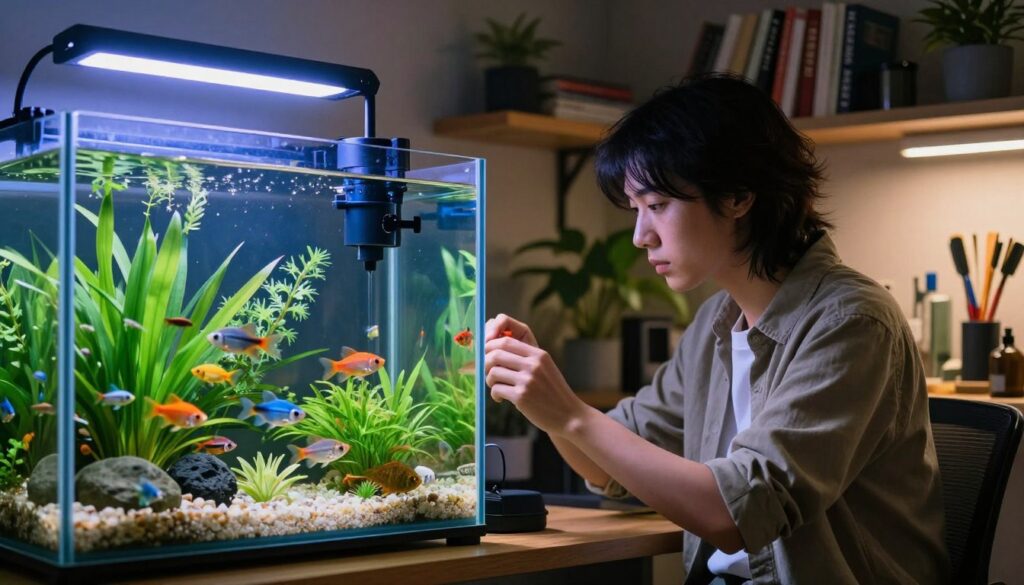
Tropical Fish Collectors: Aesthetic Perfectionists
Tropical fish collectors are often characterized by their love for vibrant colors and intricate designs. They take great care in curating their aquariums, ensuring that every element, from the fish to the decorations, contributes to a visually stunning display. This attention to detail and commitment to aesthetic perfection makes them ideal candidates for the best pet for your personality if you’re someone who appreciates beauty and harmony.
Pond and Koi Keepers: Patient Long-Term Planners
Pond and koi keepers, on the other hand, tend to be patient and long-term planners. Creating and maintaining a pond ecosystem requires a deep understanding of the delicate balance between water quality, plant life, and aquatic animals. These individuals are often drawn to the meditative aspects of watching their ponds evolve over time, making them a great example of an ideal pet personality fit for those who value patience and tranquility.
Both tropical fish collectors and pond or koi keepers share a common trait: a deep appreciation for the calming effects of water and the life it supports. Their hobbies reflect their personalities, showcasing their ability to create and maintain complex, beautiful environments.
Reptile Owners: Curious, Unconventional, and Independent
Reptile owners often embody a unique blend of curiosity and independence, setting them apart from owners of more traditional pets. Their choice of pet reflects a broader aspect of their personality, including a willingness to explore and understand creatures that are often misunderstood.
Reptile enthusiasts are drawn to the unique characteristics and challenges associated with caring for these animals. This attraction can stem from a fascination with the biological adaptations of reptiles or an appreciation for their often mysterious nature.
Snake Enthusiasts: Comfortable with Mystery and Solitude
Individuals who prefer snakes as pets tend to be comfortable with solitude and are often intrigued by the mystique surrounding these animals. Snake enthusiasts appreciate the unique behaviors and the specific care requirements of their pets.
Lizard and Turtle Keepers: Methodical and Resilient
Those who keep lizards or turtles often exhibit methodical and patient traits, as caring for these animals requires a thorough understanding of their dietary, environmental, and social needs. The resilience of these pet owners is also notable, as they adapt to the sometimes slow-paced nature of their pets.
Small Mammal Owners: Nurturing and Resourceful
People who choose to own small mammals tend to be resourceful and caring, reflecting their personality in the way they manage their pets’ needs. This group of pet owners is diverse, ranging from those who keep rabbits and guinea pigs to enthusiasts of hamsters and gerbils. Their ability to provide appropriate care for these animals highlights their nurturing side.
Small mammal owners often go the extra mile to ensure their pets are happy and healthy. This involves creating suitable environments, providing a balanced diet, and spending time with their pets. The resourcefulness of these owners is evident in how they adapt to the specific needs of their pets, whether it’s building custom cages or researching the best dietary options.
Rabbit and Guinea Pig People: Gentle and Routine-Oriented
Individuals who own rabbits and guinea pigs are often characterized by their gentle nature. These pet owners tend to appreciate the social aspects of their pets, enjoying interactions and creating a routine that includes regular handling and care. Their routine-oriented approach ensures that their pets receive consistent care, reflecting their responsible and caring personality traits.
For instance, rabbit owners might enjoy creating obstacle courses for their pets, showcasing their creativity and willingness to engage with their animals. Similarly, guinea pig owners often appreciate the social nature of these animals, keeping them in pairs or groups to satisfy their pets’ need for companionship.
Hamster and Gerbil Enthusiasts: Practical and Efficient
Hamster and gerbil owners, on the other hand, tend to be practical and efficient. They often appreciate the low-maintenance aspect of these pets, which suits their busy lifestyles. Despite the smaller size of these animals, their owners still demonstrate a strong nurturing instinct by ensuring their pets have stimulating environments and proper care.
These owners are often skilled at creating DIY toys and accessories for their pets, showcasing their resourcefulness. Their ability to balance their pets’ needs with their own busy schedules highlights their efficient approach to pet ownership.
Exotic Pet Keepers: Adventure-Seekers and Individualists
For those who dare to be different, exotic pets offer a unique companionship that reflects their owner’s adventurous spirit. Exotic pet keepers are often characterized by their boldness and willingness to challenge conventional norms.
These individuals are drawn to pets that are not typically found in average households, such as unusual mammals and invertebrates. Their choice of pet is a reflection of their open-mindedness and adaptability. As noted by a pet expert, “Exotic pet owners are not just pet owners; they are enthusiasts who appreciate the unique characteristics of their pets.”
“The bond between an exotic pet and its owner is built on mutual respect and understanding, often creating a deep and rewarding relationship.”
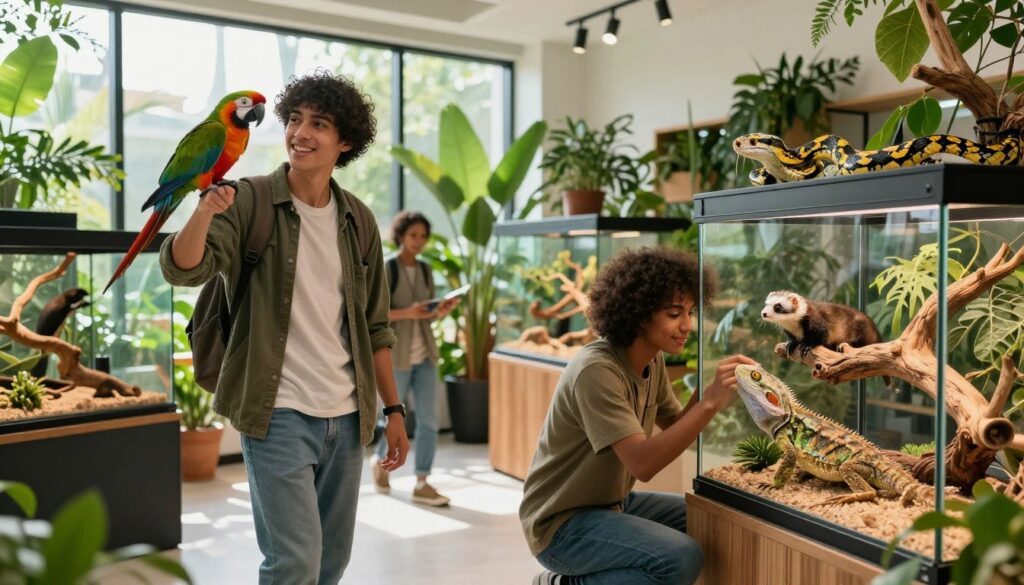
Unusual Mammal Owners: Breaking Convention
Owners of unusual mammals, such as sugar gliders or hedgehogs, often exhibit a pioneering spirit. They are willing to break away from the norm and explore new ways of connecting with animals. This trait is indicative of their adventurous and innovative nature.
These owners tend to be highly resourceful, as caring for unconventional pets requires a great deal of creativity and problem-solving. Their ability to adapt to the unique needs of their pets is a testament to their flexibility and resilience.
Invertebrate Enthusiasts: Appreciators of the Misunderstood
Invertebrate enthusiasts, who keep pets like tarantulas or scorpions, demonstrate a unique appreciation for creatures often misunderstood by the general public. These owners are drawn to the fascinating world of invertebrates, appreciating their complexity and beauty.
Their interest in these pets highlights their curiosity and openness to learning. By choosing to keep invertebrates, they show a willingness to engage with the less commonly kept pets, further underscoring their individualistic nature.
Multiple Pet Households: Adaptable and Harmonizing
The decision to create a multiple pet household is often a reflection of an owner’s adaptable nature and love for complexity. Such households are not just homes to multiple pets; they are ecosystems that require careful management and a deep understanding of the diverse needs of their inhabitants.
Owners of multiple pets often exhibit a unique blend of traits that enable them to manage the intricacies of their households. They are typically flexible, patient, and have a keen sense of observation to ensure harmony among their pets.
Mixed-Species Homes: Balancing Different Needs
Managing a household with pets of different species can be particularly challenging. It requires a nuanced understanding of the behavior, dietary needs, and social requirements of various animals. For instance, introducing a new dog to a household with cats demands careful planning to avoid stressing either species.
| Pet Type | Special Considerations | Owner Traits Required |
|---|---|---|
| Dogs and Cats | Separate areas for eating and relaxation | Flexibility, Patience |
| Birds and Small Mammals | Secure cages to prevent predation | Attention to detail, Resourcefulness |
| Fish and Reptiles | Specialized lighting and temperature control | Knowledge of specific needs, Adaptability |
The Social Intelligence of Multi-Pet Parents
Multi-pet households are a testament to the social intelligence of their owners. Managing the dynamics between different pets, ensuring they coexist peacefully, and providing each with the attention they crave, requires a high level of emotional intelligence and social savvy.
These owners are adept at reading the body language of their pets, understanding their vocal cues, and responding appropriately to maintain harmony. This ability to navigate complex social dynamics is a hallmark of their capacity to care for multiple pets effectively.
Finding Your Perfect Pet Based on Personality Traits
Selecting a pet that aligns with your personality can lead to a more fulfilling companionship. Your personality plays a significant role in determining the ideal pet personality fit. By understanding your traits, you can make an informed decision that benefits both you and your pet.
Self-Assessment for Pet Compatibility
To find a pet that suits you, start with a self-assessment. Consider your lifestyle, daily routine, and what you’re looking for in a pet. Ask yourself:
- How active am I, and how much exercise can I provide for my pet?
- Do I prefer a low-maintenance pet or am I willing to invest time in grooming and training?
- How much space do I have available for a pet, and does it need to be suitable for indoor or outdoor living?
By answering these questions, you can narrow down the types of pets that would be compatible with your lifestyle and personality, making the pet selection based on personality more effective.
When Lifestyle and Personality Preferences Conflict
Sometimes, your lifestyle and personality preferences may conflict when choosing a pet. For instance, you might be an active person who loves outdoor activities but have a busy schedule that doesn’t allow for frequent pet exercise. In such cases, consider pets that are adaptable or have lower exercise needs. Alternatively, you could adjust your lifestyle slightly to accommodate your pet’s needs, such as hiring a dog walker or asking a neighbor to check in on your pet.
Finding a balance between your lifestyle and the needs of your pet is crucial. By being aware of potential conflicts and planning accordingly, you can create a harmonious home for both you and your pet.
Conclusion: Different Pets, Different Love Languages
The choice of pet often reflects an individual’s personality traits, showcasing their unique characteristics and love languages. As seen throughout this article, different pets appeal to different personalities, from the loyal and active nature of dog owners to the independent and intuitive characteristics of cat enthusiasts.
Understanding the connection between pet preference and personality can provide insights into an individual’s lifestyle, preferences, and emotional needs. People with various pet personality traits tend to form strong bonds with their pets, illustrating the diverse ways humans express love and care.
Whether you’re a dog person, a cat lover, or an enthusiast of more exotic pets, your pet preference is a reflection of your personality and love language. Embracing this connection can deepen the human-animal bond, enriching the lives of both pets and their owners. By recognizing the link between personality and pet preference, individuals can make informed decisions when choosing a pet, ensuring a harmonious and fulfilling relationship.