

Adopting a pet is a life-changing decision, not just for the animal, but for the adopter as well. Many animals arrive at shelters scared, silent, and broken, but with love and care, they undergo a magical transformation.
As they settle into their new homes, adopted pets often experience significant emotional and behavioral changes. They begin to trust their new owners, becoming more confident and affectionate. The effects of adopting pets are profound, leading to a deeper bond between the pet and their owner.
The journey from fear to forever love is a testament to the benefits of pet adoption. As pets feel more secure, they start to exhibit their true personalities, bringing joy and companionship to their new families.
Key Takeaways
- Adopted pets undergo significant emotional and behavioral changes.
- They become more confident and trusting of their owners.
- The bond between the pet and owner deepens over time.
- Pet adoption has numerous benefits for both the animal and the adopter.
- Adopted pets bring joy and companionship to their new families.
The Emotional Journey of Rescued Animals
The emotional journey of rescued animals is complex, involving past traumas and trust issues. When pets are adopted, they bring with them a history that can significantly influence their behavior and ability to form attachments.
Understanding the Baggage: Past Trauma and Trust Issues
Many rescued pets have experienced trauma, leading to trust issues and fear-based behaviors. Patience and gentle interaction are crucial in helping these pets overcome their past and build trust with their new owners.
The Science Behind Pet Emotional Development
Pet emotional development is shaped by a combination of genetic predispositions and environmental factors. Understanding this can help owners provide the right support.
How Environment Shapes Behavior
The environment plays a significant role in shaping a pet’s behavior. A stable and loving environment can help mitigate past traumas and foster positive behavioral changes.
The Neurological Basis of Attachment
Attachment in pets is rooted in neurological processes. Positive interactions with owners can stimulate the release of oxytocin, often referred to as the “love hormone,” promoting bonding.
| Factor | Influence on Pet | Owner’s Role |
|---|---|---|
| Past Trauma | Fear, trust issues | Provide patience and gentle care |
| Environment | Behavioral changes | Create a stable and loving home |
| Neurological Basis | Attachment formation | Foster positive interactions |
By understanding the emotional journey of rescued animals, owners can better support their pets through the challenges of adoption. With the right approach, pets can overcome their past and form strong, loving bonds with their new families.
First Days: The Adjustment Period
As pets transition into their new homes, they require patience, understanding, and a safe space to settle in. This initial period is crucial for their emotional and psychological adjustment.
Common Behaviors in Newly Adopted Pets
Newly adopted pets often exhibit behaviors that reflect their stress and anxiety. Signs of stress can include pacing, panting, or hiding. It’s essential to recognize these signs to provide appropriate support.
Signs of Stress and Anxiety
Some common signs of stress in pets include:
- Excessive barking or meowing
- Changes in appetite
- Hiding or avoidance behaviors
Defensive Mechanisms and Coping Strategies
Pets may also develop defensive mechanisms such as growling or hissing when they feel threatened. Understanding these behaviors can help owners provide a more supportive environment.
Creating a Safe Space for Your New Family Member
Creating a safe space is vital for helping your pet feel secure. This involves providing essential supplies and setting up a comfortable area.
Essential Supplies and Setup
Some essential supplies include a comfortable bed, food and water bowls, and toys. Setting up a quiet area can help your pet feel more at ease.
Establishing Boundaries and Quiet Zones
Establishing boundaries and quiet zones can also help reduce stress. This can be achieved by designating areas for relaxation and play.
The Critical First Week: Establishing Foundations
As you welcome a new pet into your home, the first week is pivotal for creating a sense of security. This period is crucial for laying the groundwork for a healthy and loving relationship between you and your pet.
Setting Routines That Build Security
Establishing a routine is essential for making your pet feel safe and secure. This includes setting regular times for feeding, exercise, and sleep. A consistent routine helps reduce anxiety and makes the transition smoother for your pet.
- Feed your pet at the same times each day.
- Create a schedule for walks and playtime.
- Establish a bedtime routine to help your pet wind down.
Reading Your Pet’s Body Language
Understanding your pet’s body language is vital for recognizing their emotional state. Pay attention to signs of stress or comfort, such as tail wagging, ear positioning, and vocalizations. This helps you respond appropriately to their needs.
Managing Expectations During Early Transitions
Managing your expectations during the initial days is crucial. It’s normal for pets to take time to adjust, and setbacks can occur. Be patient and remember that building trust is a gradual process.
Common Setbacks and How to Address Them
Common setbacks include accidents in the house, fear-based behaviors, and initial hesitation to interact. Address these by staying calm, consistent, and positive in your approach.
- Stay calm during accidents or misbehaviors.
- Use positive reinforcement to encourage good behavior.
Celebrating Small Victories
Celebrating small victories, such as successful interactions or overcoming fears, is important for reinforcing positive behaviors. This encourages both you and your pet to stay motivated and engaged in the bonding process.
Weeks 2-4: How Pets Change After Adoption Begins
Between weeks 2-4, adopted pets often exhibit the first signs of trust and attachment towards their new owners. This period is crucial as it marks a significant shift in their emotional journey.
First Signs of Trust and Attachment
During this time, pets may start to display behaviors that indicate they are feeling more secure. They might initiate interactions, such as nuzzling or rubbing against their owners, or show affection by licking hands or faces. These actions are heartwarming indicators that the pet is beginning to form a strong emotional bond with their new family.
Emerging Personalities and Preferences
As pets become more comfortable, their unique personalities start to emerge. Some may become more playful, while others might be more affectionate. Understanding and embracing these traits can help strengthen the bond between pet and owner. For instance, a pet that enjoys playing fetch can be engaged with a favorite toy, enhancing their interaction.
Addressing Lingering Fears and Anxieties
Despite the progress made, some pets may still harbor fears or anxieties. It’s essential to address these issues with patience and understanding.
Desensitization Techniques
Desensitization involves gradually exposing pets to the sources of their anxiety in a controlled manner. For example, if a pet is fearful of loud noises, owners can start by playing a recording of the noise at a low volume, rewarding the pet for calm behavior.
Building Positive Associations
Creating positive associations is another effective strategy. By linking the source of fear with a positive outcome, such as treats or praise, pets can learn to view previously daunting stimuli more favorably.
| Technique | Description | Benefit |
|---|---|---|
| Desensitization | Gradual exposure to feared stimuli | Reduces anxiety over time |
| Positive Associations | Linking feared stimuli with positive outcomes | Changes pet’s perception of feared stimuli |
By employing these strategies, pet owners can significantly enhance their pet’s emotional well-being, fostering a deeper and more meaningful relationship.
Months 2-6: The Transformation Accelerates
Between months 2-6, adopted pets undergo a substantial change, revealing their true personalities and forming strong bonds with their new families. This period is crucial for their development, as they become more confident and secure in their environment.
Developing Confidence and Independence
As pets become more comfortable, they start to exhibit their natural behaviors and characteristics. This is a significant step in their journey, as they begin to explore their surroundings and interact more freely with their family members.
Confidence building activities such as positive reinforcement training and socialization play a vital role during this phase. They help pets become more independent and self-assured.
Forming Deep Bonds with Family Members
The bond between a pet and their new family strengthens significantly during this period. Pets begin to recognize and respond to their owners’ voices, commands, and emotions.
Quality time spent with pets, such as playing, grooming, and simply cuddling, enhances this bond. It’s essential for owners to be patient and consistent in their interactions.
Integrating Pets into Family Dynamics
Integrating pets into family dynamics is a crucial aspect of the adoption process. It involves creating a harmonious environment where pets feel included and valued.
Introducing to Children and Other Household Members
When introducing pets to children, it’s essential to do so gradually and under controlled circumstances. Supervising interactions and teaching children how to interact gently with pets can prevent misunderstandings.
Similarly, introducing pets to other household members, such as other pets, should be done carefully to avoid conflicts.
Creating Inclusive Family Activities
Including pets in family activities strengthens their bond with the family and helps them feel more integrated. Simple actions like allowing pets to join during meal times or including them in play can make a significant difference.
| Activity | Benefits |
|---|---|
| Positive Reinforcement Training | Builds confidence and strengthens bond |
| Inclusive Family Activities | Enhances integration and sense of belonging |
| Gradual Introductions | Reduces stress and prevents conflicts |
By understanding and supporting pets during this transformative period, families can foster a loving and inclusive environment that benefits both the pets and the family members.
The One-Year Milestone: A Different Animal
A year after adoption, pets have undergone significant changes, revealing their true personalities and strengthening their bond with their owners. This milestone is a testament to the love, care, and patience that both pets and owners have shared.
Comparing Day One to Day 365
Reflecting on the journey from day one to day 365, it’s astonishing to see the transformation. Initially, pets may have been fearful or timid, but over time, they become confident and affectionate. This transformation is a result of consistent care and a nurturing environment.
Celebrating Progress and Breakthroughs
The progress made by adopted pets is worth celebrating. From overcoming initial fears to forming deep bonds with their owners, every milestone is a victory. Celebrating these breakthroughs reinforces the positive behaviors and strengthens the pet-owner relationship.
Addressing Remaining Behavioral Patterns
Despite the progress, some behavioral patterns may still linger. It’s essential to address these remaining issues with patience and understanding.
When Some Behaviors Become Permanent
In some cases, certain behaviors may become permanent due to deep-seated habits or past traumas. Understanding and accepting these behaviors is crucial for a harmonious coexistence.
Accepting and Accommodating Your Pet’s Unique Personality
Every pet has a unique personality that evolves over time. Accepting and accommodating this uniqueness is vital for creating a loving and supportive environment. By doing so, owners can ensure their pets feel loved and valued for who they are.
| Behavioral Changes | Day 1 | Day 365 |
|---|---|---|
| Fearfulness | High | Low |
| Trust | Low | High |
| Affectionateness | Low | High |
The Human-Animal Bond: How Owners Transform Too
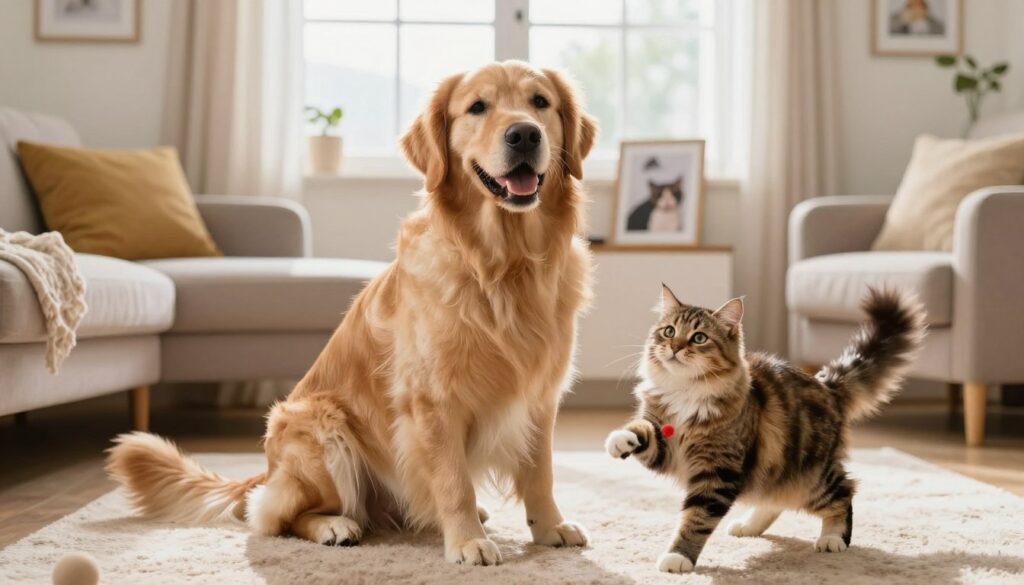
When you adopt a pet, you’re not just changing their life; you’re opening yourself up to a world of emotional growth and connection. The journey of pet adoption is a two-way street, where both the pet and the owner undergo significant transformations.
The Power of Patience and Consistency
One of the most significant ways owners transform is through the development of patience and consistency. Caring for a newly adopted pet requires a routine that provides a sense of security and stability. By sticking to this routine, owners learn to be more patient and understanding, traits that benefit all areas of life.
“The love and acceptance that we give to our pets, we receive in return, multiplied many times over.”
Emotional Growth Through Pet Parenting
Pet parenting fosters emotional growth in various ways. It teaches owners to be more empathetic and understanding, not just towards their pets but also towards other humans.
Developing Empathy and Understanding
By observing and responding to their pet’s needs and behaviors, owners develop a deeper understanding of emotional cues and needs. This empathy can translate into stronger, more meaningful relationships with others.
Learning to Communicate Without Words
Effective communication with pets involves understanding body language and behavioral signals. This skill enhances an owner’s ability to connect with their pet on a deeper level and can also improve their interactions with people.
| Aspect of Pet Parenting | Owner Transformation |
|---|---|
| Patience and Consistency | Develops stability and security |
| Emotional Growth | Fosters empathy and understanding |
| Communication | Enhances non-verbal understanding |
When to Seek Professional Help
While the journey of pet adoption is rewarding, it’s not without its challenges. Knowing when to seek professional help is crucial. If an owner finds it difficult to manage their pet’s behavioral issues or if they’re experiencing emotional distress, seeking help from a professional can be a significant step towards a healthier, happier home.
Special Considerations for Different Animals
The adoption process is just the beginning; different pets undergo unique transformations as they settle into their new homes. Understanding these differences is key to providing the best care.
Dogs: From Shelter to Sofa
Dogs, being highly social animals, often require more immediate attention and interaction. Their transformation from a shelter environment to a home setting can be quite rapid.
Breed-Specific Transformation Patterns
Different breeds of dogs have unique characteristics that influence their adjustment period. For example, energetic breeds like Labradors may require more exercise and stimulation, while smaller breeds like Chihuahuas may need more gentle handling.
Age-Related Adjustment Differences
The age of the dog also plays a significant role in its adjustment. Puppies tend to adapt quickly due to their malleable nature, whereas older dogs may take longer to adjust due to established habits.
Cats: The Subtle Shift to Security
Cats, on the other hand, are generally more independent and may take longer to feel secure in their new environment. Their transformation is often more subtle.
Territory Establishment and Confidence
Cats establish their territory by marking and patrolling their surroundings. As they become more confident, they begin to explore and interact more with their human family members.
Building Trust with Independent Felines
Building trust with cats requires patience and understanding of their independent nature. Gentle interactions and a stable routine can help them feel more secure.
Other Pets: Unique Transformation Journeys
Other pets, such as rabbits, birds, and reptiles, also undergo significant transformations. Each species has its unique needs and requirements for adjustment.
For instance, rabbits need spacious living areas and a diet rich in fiber, while birds require social interaction and mental stimulation. Reptiles, on the other hand, need precise temperature and lighting conditions.
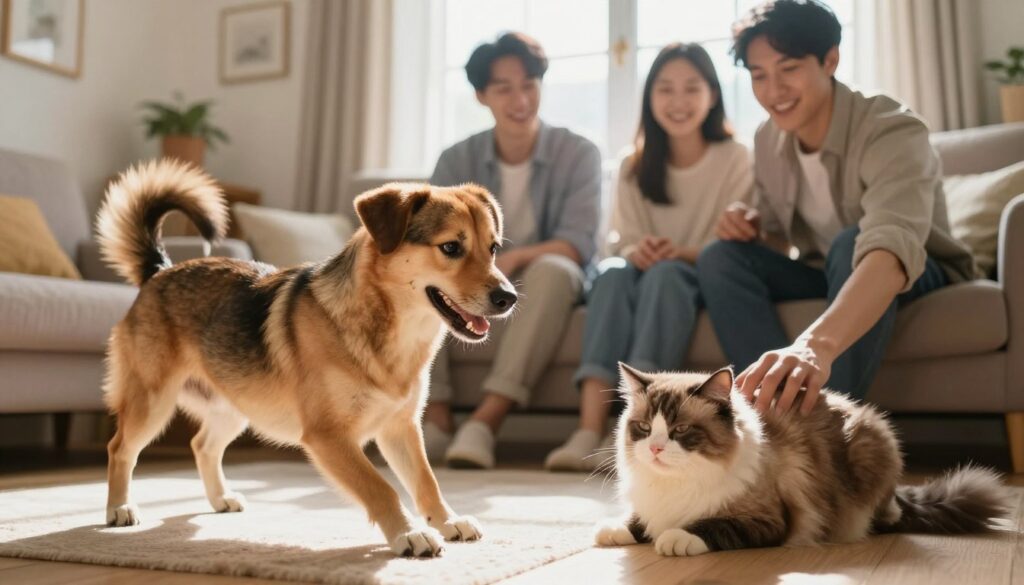
Understanding and catering to these unique needs is crucial for the well-being and happiness of the pet.
Conclusion: The Mutual Transformation of Adoption
Adopting a pet is a life-changing experience that transforms not only the animal but also the owner. As we’ve explored, pets undergo significant changes as they adjust to their new environment, evolving from fear to forever love. This journey is marked by the development of trust, confidence, and deep bonds with their new family.
The benefits of pet adoption are multifaceted, enriching the lives of both pets and owners. As pets change after adoption, they bring immense joy and companionship, while owners experience personal growth through the challenges and rewards of pet parenting. This mutual transformation is at the heart of the adoption process, fostering a deeper understanding and connection between humans and animals.
Ultimately, the transformation that occurs during pet ownership is a testament to the power of love, patience, and care. By understanding how pets change after adoption and embracing the benefits of pet adoption, we can create a more compassionate and supportive environment for our furry friends, leading to a more fulfilling experience for all.